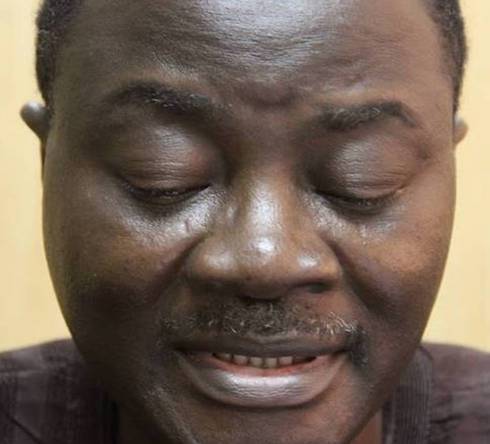
We live in an age of the camera. The camera as reporter captures the serious and the mundane, the beauty and the beast, the decent and the pornographic. Those who intuitively and consciously understand the visual language, aesthetics and logic of photography have been translating the world they know into compelling stories. And these translations into images of human thoughts and experiences, of faces and places, of ideas and events, have had huge impact on humanity. Laura Morton, a San Francisco-based award-winning documentary photographer, says that cameras are tools of exploration and passports to the deep. And Mary Golon, Assistant Managing Editor and Director of Photography at The Washington Post, observes, with brisk authority, that photography has the capacity to inform, to educate and to move people worldwide without the need for a shared spoken language. In his essay, “The Past Recaptured,” Paul Theroux, a prominent American novelist, writes that, almost since its inception, photography has been able to give history a human face by supplying the world with crystal images. Theroux goes further to argue that “while the eye is selective, the camera lens is not, which is why photography, when it is masterful, is both an art and a science, the triumph of technology creating a luminous and symmetrical artifact.” In Salman Rushdie’s novel, The Ground Beneath Her Feet, the nosey and brilliant narrator tells us that photography is a “gift of permanent vision, of the transformation of sight into memory, of the actual into the eternal—the gift of immortality bestowed upon mankind.”
An intimate portrait of Babajide Sanwo-Olu as governor, By Kunle Ajibade