KINGSLEY EBERE
Several communities across Anambra State have been busy with burial ceremonies and traditional rites in the last two weeks of July 2026 as families lay loved ones to rest ahead of the new month.
The atmosphere in towns including Nnewi, Onitsha, Ekwulobia, Umuchu and Ihiala has been marked by funeral announcements, vigils, and cultural gatherings. This is a common practice in Igbo communities during this period when many indigenes return home.
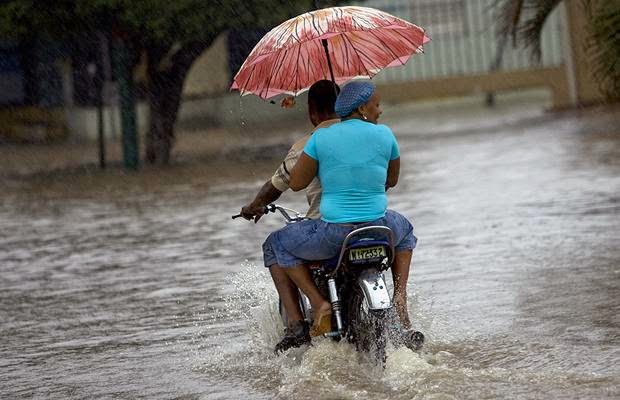
However, residents said this year’s ceremonies are being held amid persistent rainfall that has created challenges for families and event planners.
Traditional rulers and community leaders noted that late July and August are often chosen for burials because many residents return from other states and abroad. This makes it easier to gather extended family members for final rites.
In Nnewi, residents said at least 7 major burials were scheduled between Friday, July 25th and Sunday, July 27th, with processions and solidarity visits ongoing across different wards. Market leaders in Ekwulobia reported a 35% increase in demand for food items, drinks, canopies, and event materials during the period.
Families complained that heavy rains have affected burial schedules, increased costs, and made rural roads difficult to access. Event vendors said demand for tents, canopies and tarpaulins has doubled as people try to protect guests from the rain.
“We are spending more this year because of the rain. You must rent bigger canopies and also provide alternative venues in case it rains heavily on the burial day,” a resident in Onitsha said.
The Anambra State Police Command said it has increased patrols around venues of large gatherings to ensure safety during the ceremonies. The Command advised residents to obtain permits for road processions and to avoid activities that could lead to a breach of peace.
Health officials from the State Ministry of Health also urged residents to observe proper hygiene at public gatherings, especially with the ongoing rainy season and risk of water-borne diseases. They advised families to ensure clean water and proper waste disposal at event venues.
While the ceremonies bring families together, residents called on town unions and government to continue supporting indigent families with burial costs to reduce financial burden during the rainy season.
Legal and cultural observers note that burial practices in Anambra remain an important part of preserving heritage and strengthening community bonds despite weather challenges.