…Corporation Cites Safety, Technical Concerns For Temporary Shutdown
…Shutdown Raises Fresh Concerns Over Rail Sector Growth
The temporary suspension of the Warri–Itakpe Train Service by the Nigerian Railway Corporation (NRC) has once again exposed the deep-rooted operational, financial and security challenges confronting Nigeria’s rail transport sector despite recent gains in passenger traffic and revenue generation.
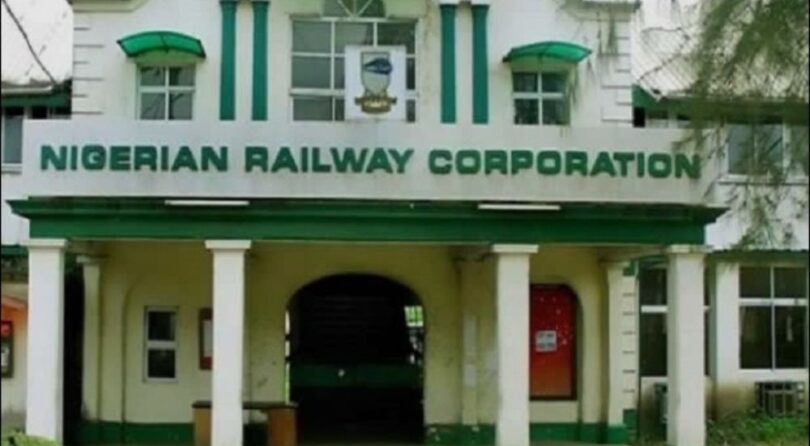
The NRC announced on Wednesday that train operations on the strategic corridor had been halted following “operational exigencies” and technical advice from its engineers, raising concerns about the sustainability of the federal government’s growing rail revenue ambitions.
In a statement signed by the NRC’s Chief Public Relations Officer, Mr. Callistus Unyimadu, the corporation said the suspension became necessary to allow engineers carry out critical operational assessments aimed at ensuring safety and service reliability.
“The NRC regrets the inconvenience this development may cause passengers and other stakeholders.
“We assure the public that efforts are ongoing to resolve the issues within the shortest possible time,” the statement said.
The corporation added that passengers would be informed before the end of the week on when services would resume.
While the NRC did not disclose the exact technical problems responsible for the shutdown, the development has intensified scrutiny of the country’s rail infrastructure, which has struggled with recurring operational disruptions, aging systems, insecurity and funding constraints in recent years.
The Warri–Itakpe rail line has become one of Nigeria’s most important standard gauge corridors since commercial operations began.
Connecting Delta, Edo and Kogi states, the route serves passengers, businesses and industrial operators, particularly within the oil and steel sectors.
Its suspension, according to NewsNGR findings carries economic implications beyond transportation, especially at a time the federal government is seeking to improve non-oil revenues and reduce pressure on the country’s overstretched road networks.
The shutdown also comes amid declining passenger revenue growth within the rail sector.
Data released by the National Bureau of Statistics (NBS) showed that total revenue generated from rail passengers in the fourth quarter of 2025 dropped by 16.3 per cent to N1.6bn from N1.92bn recorded in the corresponding period of 2024.
Passenger traffic also declined during the period, falling from 1,037,113 passengers in Q4 2024 to 940,476 passengers in Q4 2025, representing a 9.32 per cent decrease.
Although the sector still generated N7.77bn in passenger revenue across the full 2025 financial year, surpassing the government’s N7bn target by over 11 per cent, the latest shutdown has raised fears that operational disruptions could threaten future earnings and weaken public confidence in rail transportation.
Industry observers say the suspension reflects broader structural challenges that have slowed the growth of Nigeria’s rail system despite significant government investments over the last decade.
One of the biggest concerns, THE WHISTLER understands remains infrastructure reliability.
Many rail corridors across the country still suffer from inadequate maintenance, obsolete equipment, signalling challenges and limited spare parts availability. It was learnt that even the newly rehabilitated or modernised routes continue to experience periodic technical faults that disrupt operations.
The Warri–Itakpe line itself has faced intermittent service interruptions in the past linked to technical failures, track maintenance and locomotive issues.
Experts note that rail systems require continuous maintenance and large-scale capital investment to remain efficient and safe, especially in countries with difficult weather conditions and heavy operational demands.
Beyond infrastructure, insecurity has emerged as one of the most serious threats to rail transportation in Nigeria.
The Abuja–Kaduna rail attack in March 2022 remains one of the darkest moments in the history of the country’s railway system.
Terrorists bombed the rail track and attacked a passenger train, killing several passengers and abducting dozens.
The incident triggered widespread fear among travellers and forced the suspension of services on the route for several months.
It also exposed vulnerabilities in rail security architecture despite the growing dependence on train transportation by Nigerians seeking safer alternatives to highways plagued by kidnappings and armed robbery.
Although security around major rail corridors has since improved through increased surveillance and deployment of security personnel, passenger confidence has not fully recovered in some areas.
Analysts say the fear of attacks continues to affect ridership, particularly on routes passing through isolated regions.
In many advanced economies, cargo movement generates the bulk of railway income. In Nigeria, however, poor connectivity between rail lines, seaports, industrial hubs and warehouses has limited the growth of freight services.
As a result, thousands of heavy-duty trucks continue to dominate Nigerian roads, worsening traffic congestion, road deterioration and logistics costs.
Limited route expansion is another major problem.
Although the federal government has launched several railway modernisation projects over the years, large parts of the country remain disconnected from functional rail services.
Findings revealed that many communities still rely entirely on road transport due to the absence of rail infrastructure, while some existing narrow-gauge lines remain underutilised or abandoned.
The slow pace of rail expansion has reduced the sector’s ability to maximise passenger numbers and cargo opportunities nationwide.