The controversy has once again placed the entertainment industries of both countries at the centre of a diplomatic and social conversation.
What began as a planned homecoming for South African singer Tyla has become the latest flashpoint in the long-running tensions between Nigeria and South Africa, with her scheduled Lagos concert removed from the itinerary of her APOP World Tour amid calls for a boycott.
But after days of online backlash over the treatment of Nigerians in South Africa, the Lagos date was removed from the tour’s public schedule. Neither Tyla nor her management has explained the change or confirmed whether the concert has been cancelled, postponed, or removed from the itinerary.
The controversy has once again placed the entertainment industries of both countries at the centre of a diplomatic and social conversation.
But it is not the first time music has become entangled in tensions between Nigerians and South Africans.
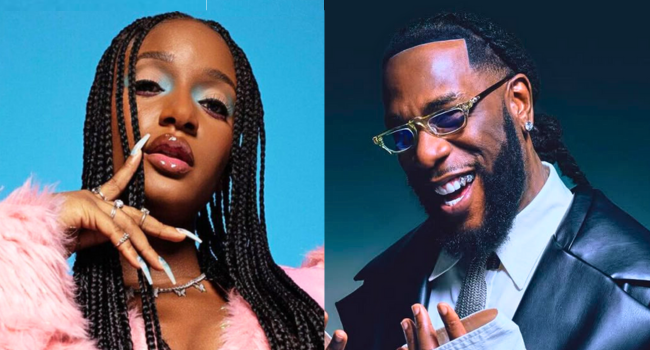
In 2019, Nigerian singer Burna Boy became a major figure in the fallout from a wave of xenophobic attacks against foreigners in South Africa.
The singer had strongly condemned the attacks and was subsequently billed to headline the Africans Unite concert in November 2019, an event organised to promote unity and oppose xenophobia and gender-based violence.
His inclusion, however, triggered a backlash from some South African artists and entertainment stakeholders who objected to his previous comments during the xenophobia crisis.
The Tshwane Entertainment Collective called for a boycott of the event, while threats of violence were reported.
Following discussions with Burna Boy’s management, organisers withdrew him from the line-up and cancelled both scheduled legs of the concert in Cape Town and Pretoria.
The organisers said the decision was taken because “the safety of all artistes and attendees could not be guaranteed.”
The episode became one of the clearest examples of how disagreements between the two countries could spill directly into the entertainment industry.

Five years later, another Nigerian music star found herself at the centre of a different Nigeria-South Africa entertainment dispute.
In February 2024, Nigerian singer Ayra Starr was scheduled to perform at ‘In The City’ shows in Johannesburg and Cape Town.
The shows were cancelled after her visa application was denied. The event organisers described the development as part of a wider visa problem affecting West African artistes.
“We regret to announce the cancellation of both ‘In the City Ayra Starr’ Shows scheduled to take place in Joburg and Cape Town, South Africa on 16 and 17 February 2024,” the organisers said, adding that visas had been denied to artists from West Africa “through no fault of their own”.
The incident would later resurface in the debate over Tyla’s proposed Lagos concert, with Nigerian Senator Natasha Akpoti-Uduaghan calling for reciprocity in visa treatment between both countries.

Yet, later in 2024, Tyla offered a strikingly different chapter in the relationship.
The South African star arrived in Lagos during the Detty December festivities and was warmly received by Nigerian music fans.
She performed at Flytime Fest and joined American rapper Gunna on stage for their hit “Jump”. She also spent time with Nigerian stars Tems and Ayra Starr in Lagos. Her visit was widely seen as another reminder of the strong cultural ties between the two countries, despite their political and social tensions.
Nigeria and South Africa remain deeply connected through music, with Afrobeats and Amapiano crossing borders, while artistes from both countries collaborate, tour and perform for audiences on either side.
Tyla herself became part of that crossover, while Nigerian stars including Burna Boy, Wizkid, Davido, Tems and Ayra Starr have maintained strong connections with South Africa’s music industry.
That relationship is now being tested again.
Tyla’s proposed 2026 Lagos concert came amid renewed anger over reports of xenophobic attacks and the treatment of Nigerians living in South Africa.
The controversy intensified following the death of Nigerian national Ibeh Chika Simon during a South African Police Service operation in Cape Town on 23 July 2026. South Africa’s Independent Police Investigative Directorate confirmed that it was investigating the circumstances surrounding his death.
Against that backdrop, some Nigerians began calling for a boycott of Tyla’s concert, arguing that hosting a South African artist was wrong. At the same time, Nigerians faced violence and alleged mistreatment in South Africa, which would send the wrong message.
Among those who backed the campaign were content creator Solomon Buchi, activist VeryDarkMan and broadcaster Dotun. Others, however, opposed the boycott, arguing that artistes should not be held responsible for the actions of governments or security agencies.