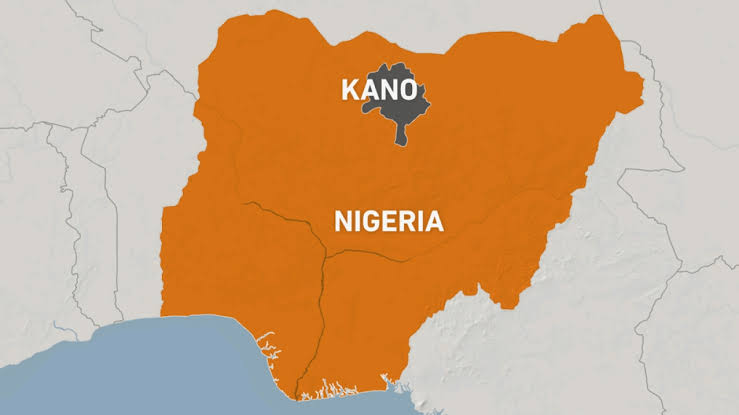
Kano State has been ranked Nigeria’s most livable city for families, while Cross River State is placed last, according to a new report by SBM Intelligence.
The survey, conducted between April and May 2026 across eight states and the FCT, assessed quality of life based on safety, affordability, healthcare, education, and infrastructure.
Kano led the rankings due to strong scores in safety, childcare access, and affordability, despite having lower income levels. The report noted that families living within modest means in the state enjoy a relatively stable and affordable lifestyle.
Rivers State followed closely, driven by strong healthcare performance and family stability, while Abuja ranked fourth, scoring high on income but weakened by high living costs and poor power outlook.
Cross River ranked last across most indicators, including safety, education, healthcare, and affordability, with the report describing its performance as a “collapse” across key metrics.
Abuja recorded the highest income levels among respondents, while Kano ranked lowest, with a significant portion earning below N100,000 monthly.
However, high earnings in Abuja and Lagos were offset by rising costs of housing, transport, and utilities, making affordability a major challenge.
Kano emerged as the most affordable state for daily living, while Lagos recorded the lowest scores in both housing and general living costs.
The report highlighted strong family and community support systems in Kano and Abuja, where extended families play a key role in childcare and daily assistance.
On safety, Kano recorded the highest score, with most residents reporting feeling secure, while Cross River posted the lowest safety rating.
Kano also ranked highest in affordable school quality, while Rivers State led in healthcare services.
Electricity supply remained a challenge in several states, with Anambra recording the worst performance, while Kano showed relatively stable power access.
The report warned that Cross River faces a serious quality-of-life crisis and risks population decline if urgent improvements are not made.
It also urged policymakers to learn from Kano’s strengths in security, childcare, and power management, while calling on Lagos and Abuja to address rising living costs to retain residents.
Overall, the findings highlight widening disparities in living conditions across Nigeria, driven by differences in infrastructure, governance, and economic pressures.