The development comes two days after aviation unions picketed Air Peace operations in Lagos and Abuja, disrupting flights and leaving passengers stranded.
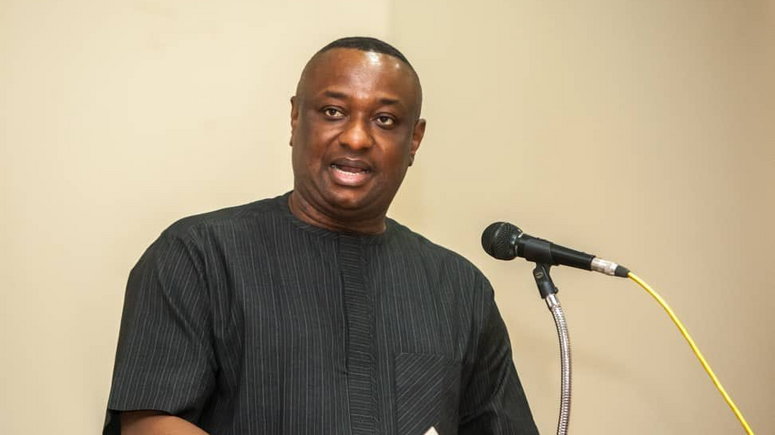
Development, Festus Keyamo, has directed the Nigeria Civil Aviation Authority (NCAA) and other aviation agencies to work with airlines on repayment plans for outstanding statutory charges following Tuesday’s disruption of flight operations by aviation unions.
The meeting resolved that the agencies should obtain payment schedules from airlines, taking into account the airlines’ operating costs and current economic realities.
The development comes two days after aviation unions picketed Air Peace operations in Lagos and Abuja, disrupting flights and leaving passengers stranded.
The unions had accused airlines of failing to remit the statutory five per cent Ticket Sales Charge (TSC) collected from passengers, while also alleging that some airlines were restricting workers from joining trade unions.
The industrial action was temporarily suspended after several hours, allowing airlines to resume operations and begin clearing passengers affected by cancelled and disrupted flights.
According to the statement, the NCAA and heads of other aviation agencies are to obtain payment schedules from airlines for outstanding obligations.
The repayment schedules are to be spread over a “reasonable timeframe”, with consideration given to the cost of airline operations and the prevailing economic situation.
The Directors of Finance and Accounts of the aviation agencies are also expected to meet individually with the affected airlines and agree on realistic repayment plans within one week.
The resolution is aimed at addressing the central issues in the dispute between aviation unions and airline operators.
The unions have accused airlines of withholding statutory charges already collected from passengers, arguing that the funds are needed to finance aviation agencies and support workers’ conditions of service.
Airline operators, however, maintained that they have been engaging with the NCAA over the obligations and complying with directives issued by the regulator on repayment.
Air Peace, which was at the centre of Tuesday’s picketing, had also rejected allegations that it owed ₦25 billion in statutory dues, saying it had been complying with NCAA directives on the applicable five per cent TSC.
The meeting also reached a resolution on the dispute over workers’ unionisation.
Mr Keyamo recognised both the right of workers to belong to unions and their right to decide not to belong to one.
However, the minister said the decision should be made directly by the workers rather than through airline management.
As part of the resolution, the NCAA is to immediately ensure that aviation unions have direct access to workers of all airlines to distribute unionisation forms.
The workers will then indicate directly whether they intend to unionise.
The ministry said any airline that prevents the unions from having this direct interface with its workers would be sanctioned by the NCAA.
The resolution seeks to address a major point of disagreement that had featured prominently in the unions’ grievances against some airlines.
The unions have alleged that workers in some airlines were prevented from freely joining trade unions and feared victimisation for expressing an interest in union membership.
Air Peace, however, has maintained that its employees freely chose not to join unions and that the airline had not prevented them from exercising their rights.
The airline had also alleged that some of its employees were physically assaulted during Tuesday’s disruption after resisting attempts to get them to join unions.
The stakeholders agreed to reconvene after one month to review progress on the resolutions and assess the state of the dispute.
The ministry said the five resolutions reached at the meeting represented the collective decisions of all the parties.
The agreement provides a window for the airlines and aviation unions to resolve the outstanding issues without another disruption to flight operations.
Tuesday’s industrial action affected scheduled flights and left passengers stranded at airports in Lagos and Abuja before the unions temporarily suspended the action.
Air Peace subsequently reported significant losses from the disruption, putting the financial impact at more than ₦2 billion, while United Nigeria Airlines said more than 30 of its flights were affected.
The disruption also exposed the wider consequences of industrial disputes in the aviation sector, where blockades of airport terminals can quickly affect passengers, connecting flights and airline schedules across the country.
Mr Keyamo assured stakeholders of the government’s commitment to maintaining a safe and viable aviation industry.