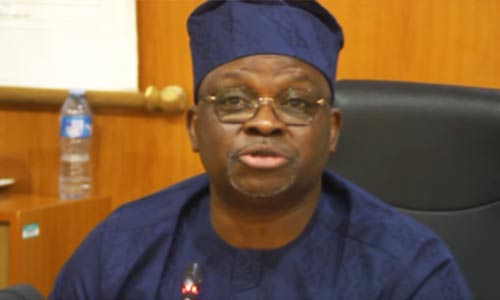
The Chairman of the Rural Electrification Agency, Ayodele Fayose, has linked inadequate electricity supply in rural communities to population growth, arguing that the absence of power leaves residents with limited recreational options after nightfall and encourages them to retire indoors early.
Fayose, a former governor of Ekiti State, made the remarks after his inauguration as Chairman of the REA Governing Board, saying improved electricity supply could transform social and economic life in underserved communities by creating opportunities for businesses, entertainment and nightlife.
According to him, many people in rural communities have little alternative once darkness sets in, particularly in areas where electricity supply is unavailable or unreliable.
“Why don’t you address this issue of electricity? The people at that level have no alternative attraction. Nothing else matters to them. After 7 o’clock, it gets dark there,” Fayose said.
He added that the absence of electricity means many residents remain at home and go to bed early, a situation which he humorously linked to increased sexual activity and population growth.
“Everybody is engaging their wives. And the population simply becomes double. The simple problem is because there is lack of electricity,” he said.
Fayose maintained that improved power supply would alter the evening routines of people in rural communities by extending productive hours and providing more opportunities for recreation and social activities.
“People go to bed early. Their mind is simply prepared that, well, if this is the only available recreation, let me remain here,” he said.
“But when we address this electricity, there will be nightlife. There will be recreation outside your wife.”
He argued that rural electrification should therefore be viewed beyond merely supplying light to homes, noting that reliable power could support businesses, leisure activities and broader economic development in communities that currently become largely inactive after dark.
Fayose made the comments as he assumed leadership of the governing board of the Rural Electrification Agency, the Federal Government agency responsible for expanding electricity access to underserved and unserved communities across Nigeria.
The REA plays a central role in efforts to improve electricity access through grid extension, mini-grid systems, standalone solar projects and other off-grid solutions targeted particularly at communities that remain outside reliable electricity coverage.
Nigeria has for decades struggled with inadequate and unreliable electricity supply despite repeated reforms and substantial investments in the power sector.
Millions of homes and businesses continue to experience limited access to reliable power, with rural communities among the most affected.
Even in areas connected to the national grid, prolonged outages frequently force households and businesses to depend on petrol and diesel generators, increasing operating and living costs.
The country’s electricity challenges have been linked to several longstanding problems, including transmission bottlenecks, inadequate infrastructure, gas supply constraints, weaknesses in distribution networks and financial difficulties across the power sector.
The consequences extend beyond household inconvenience, affecting businesses, education, healthcare, agricultural activities and economic productivity, particularly in rural and underserved communities.
Fayose said tackling the electricity deficit could consequently produce wider social and economic benefits by extending commercial hours, supporting entertainment and other activities, creating employment opportunities and reducing the isolation experienced in communities where economic activities largely end once darkness falls.
He was inaugurated alongside other members of the REA governing board.
Ahmadu Abubakar and Ilyasu Makinta were also inaugurated as board members alongside three other non-executive directors, while Abba Aliyu was formally installed as Managing Director of the agency.
Fayose’s assumption of office comes amid growing expectations that the REA will accelerate efforts to provide affordable and reliable electricity to rural and underserved communities and strengthen the Federal Government’s wider electrification programme.