Special Reports
Meningitis: Anambra, Ebonyi, Enugu intensify vaccination, urge residents to stay hydrated

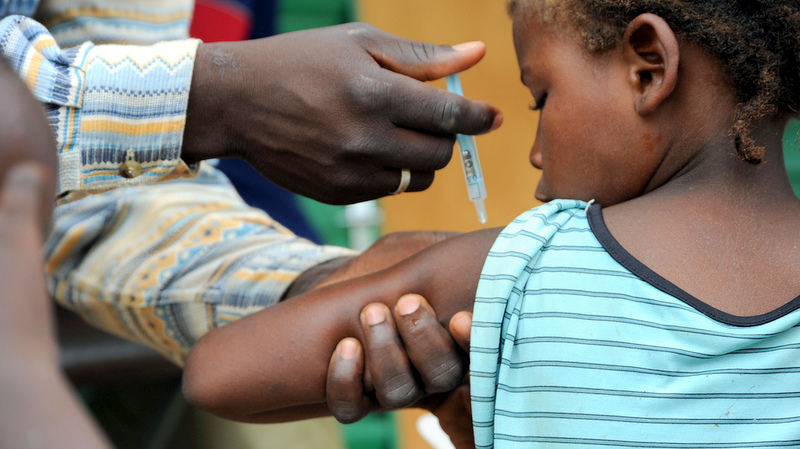
“We must keep homes and classrooms properly ventilated and never leave children unattended in parked vehicles,” an official said.
Health authorities in Anambra, Ebonyi and Enugu states say they have intensified vaccination against Meningitis and other heatwave related diseases in their various states.
According to them, they have ensured participation in the statewide and Primary Health Care (PHC)-organised routine vaccinations and urged residents to stay in shade, ventilated apartments and drink more water to get hydrated.
Meningitis is the inflammation of the protective membranes (called meninges) that surround the brain and spinal cord. It is a serious condition that can be life-threatening and requires immediate medical attention.
The symptoms are: a high temperature (fever), cold hands and feet, a stiff neck, sensitivity to light (photophobia), confusion, nausea, vomiting, muscle or joint pain, and a purple rash, irritability, poor feeding and sleepiness or difficulty waking.
In Anambra, Chizoba Ezeasor, the executive secretary, Anambra Primary Healthcare Development Agency (APHCDA), called on parents and caregivers to present their children for vaccination against diseases, including meningitis.
Ms Ezeasor, a medical doctor, said meningitis was a preventable disease and vaccination remained one of the most effective ways of protecting children and communities.
She said that APHCDA was providing routine childhood vaccination through PHCs across the 21 local government areas of Anambra.
The executive secretary urged parents and caregivers to ensure that their children received all the vaccines in line with the national immunisation schedule.
“For Anambra, the meningitis vaccine is included in the routine childhood vaccination schedule at nine months, alongside measles and yellow fever vaccines among others.
“We also advise parents and caregivers to ensure children drink sufficient clean water throughout the day during heat to get hydrated.
“Breastfeeding mothers should breastfeed infants frequently and avoid exposing children to direct sunlight, particularly between late morning and afternoon.
“We must keep homes and classrooms properly ventilated and never leave children unattended in parked vehicles,” she said.
Corroborating, Chukwudi Okani, a professor and histopathologist at the Chukwuemeka Odumegwu Ojukwu University Medical College in Anambra, said that heat-related illnesses were dehydration, heat exhaustion, heat stroke, worsening of asthma and meningitis among others.
Mr Okani noted that meningitis could be caused by several organisms, including Meningococcal bacteria and virus.
He advised parents not to ignore persistent fever, severe headache, and neck stiffness and repeated vomiting as well as other abnormal health signs and conditions.
In Ebonyi, the state government said it had procured vaccines and deployed health workers across communities to prevent possible outbreaks of meningitis in the state.
The State Director of Public Health, Gabriel Ajah, said the government was taking proactive measures to protect residents against rising temperatures and the prevailing heatwave.
“Right now, there’s no record of any meningitis case in the state and we have procured enough vaccine, and embarking on health education on remedies for the rising heat,” he said.
Mr Ajah, a medical doctor, explained that the interventions were aimed at strengthening disease surveillance, improving early detection and ensuring prompt response to suspected cases across the state’s 13 council areas.
The director said the government was working with relevant health partners, authorities and workers to ensure that residents had access to vaccination, medical attention and appropriate treatment.
He urged residents to remain vigilant and promptly report symptoms associated with meningitis to the nearest health facility rather than resorting to self-medication.
Mr Ajah also stressed the importance of public awareness and community participation in preventing the spread of heatwave-related diseases.
He said the state had designated Mondays for vaccination across PHCs in communities to improve accessibility.
He advised residents to take advantage of the vaccination and obtain relevant information from health workers on available preventive services.
The director called on community leaders, traditional rulers and other stakeholders to support government efforts by sensitising residents on the importance of vaccination, good hygiene and prompt medical attention.
Some residents of Abakaliki expressed worry over the prevailing heatwave and poor awareness on its preventions and remedies.
Jane Akpoke, a retired teacher, called for intensified awareness campaigns, particularly in rural communities on the health implications of the heatwave.
Mrs Akpoke said she had observed health workers moving around communities to administer vaccines, adding that sustained public education would encourage more residents to participate in the exercise.
Another resident, Chike Osondu, called for the involvement of religious and market leaders in the sensitisation campaign to ensure that information about meningitis prevention and vaccination reached more people.


Anambra Airport Commends United Nigeria Airlines For New Embraer 190, CRJ 900 Operations

FMN targets 10,000 hectares for 2026/2027 wheat production

“Supreme Court Judgment Is Admissible” — Court Overrules Emefiele’s Objection, Admits Judgment In $4.5bn, ₦2.8bn Fraud Trial

Anarchy Will Consume Everyone – Obi Reacts To Attack On Lagos NDC Supporters

“I Never Had An X Account” — Amupitan Denies Pro-APC Posts, Says Matter Reported To SSS, Police

US firm to build $100m gas processing plant, in Bayelsa

Bauchi State Governor Bala Mohammed Approved N5.1 Billion For 130 Official Vehicles And Released N2.6 Billion In Six Months While Pensioners Were Owed N41.4 Billion

Road To 2027: The Men Who Want To Lead Nigeria (Part 3) Peter Obi – The People’s Candidate
IMF warns global debt to hit 100% of GDP by 2029
Nigeria’s Inflation Drops To 14.63% As Food Prices Ease
In Thailand, Dangote Group hails Tinubu’s economic reforms, urges foreign investors to come to Nigeria
“The Consultations Remain Ongoing” — Lukman Says Atiku, Obi, Makinde, Adebayo, Duke Meet Opposition Parties Over 2027 Strategy
Tanker crash spills 33,000 litres of groundnut oil in Lagos, LASTMA warns against consumption
Microsoft to restrict AI-generated images of candidates ahead of 2027 election — Official
Abducted Kaduna couple begs for rescue as bandits demand N300m
2027: AbdulRazaq predicts APC victory in Kwara, cites Wike’s support for Tinubu

 Special Reports7 days ago
GTCO Fashion Weekend Returns for Its Ninth Edition, Bringing Global Style And African Creativity To Lagos
- Special Reports7 days ago
2027: Yayi Rallies Imeko-Afon LG stakeholders For APC As Renew Work Begins On Lafenwa-Rounda-Olorunda Road
- Special Reports6 days ago
Dayo Mobereola’s NIMASA Swallowed N5.16 Billion in One Year on Generator Fuel, Paper and Repairs, and Not One Litre, One Ream or One Repair Is Accounted For
- Investigations7 days ago
ZENITH TECH FAIR 6.0: BANK EXPANDS SUPPORT FOR AFRICAN INNOVATION, REWARDS 13 WINNERS WITH ₦190 MILLION
- Special Reports7 days ago
Friday Sermon: Stop mocking President Tinubu’s Umrah Ibadah in the name of politics!, By Murtadha Gusau
- Special Reports6 days ago
“Customary Law Cannot Override Pension Reform Act” — Court Orders Release Of Late DSP’s Benefits, Awards ₦5m Damages
- Top Stories6 days ago
“I Did Not Authorise Acceptance Of Blue Silk Rank” — Fani-Kayode Rejects NLS Faction’s Conferment, Cites Legal Concerns And Court Judgment
- Top Stories6 days ago
“Why Was Another Case Filed To Reopen The Same Dispute?” — Atiku Questions Conflicting ADC Judgments, Vows Appeal And Stay Of Execution