The Middle East conflict has triggered a sharp rise in global oil prices, forcing governments worldwide to adopt emergency measures to shield their economies.
The ongoing war that the United States and Israel are waging on Iran has sent shockwaves across global energy markets, with far-reaching consequences for economies worldwide.
The disruption has pushed crude prices above $100 per barrel, exposing both oil-importing and oil-producing countries to economic strain.
According to the International Energy Agency (IEA), the conflict has triggered one of the largest supply disruptions in the history of global oil markets. Oil flows through the Strait have dropped sharply from about 20 million barrels per day before the war to almost zero.
At the same time, Gulf producers have cut output by at least 10 million barrels per day, worsening supply shortages and forcing countries to scramble for alternatives.
Despite a coordinated release of 400 million barrels from emergency reserves by IEA member countries last month, global oil prices have remained high.
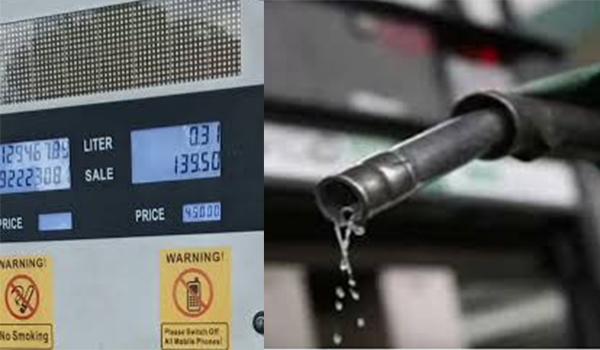
Since the outbreak of the war on 28 February, petrol prices in Nigeria have risen sharply, mirroring global crude price trends. Consumers are already feeling the effects of the supply shock caused by the conflict.
Petrol prices have risen by more than 25 per cent across major cities, worsening the cost-of-living crisis many Nigerians have faced since the removal of fuel subsidy in 2023.
Retail prices, which averaged about N870 per litre before the escalation, now hover around N1,361 and above per litre in many parts of the country.
Data from the Global Petrol Prices show that Nigeria’s petrol price averaged N1,270 per litre ($0.916) as of 30 March, compared to the global average of N1,989.99 per litre over the same period.
A review of the data indicates that petrol is sold at higher prices in Nigeria than in several African countries, including Ethiopia ($0.842), Niger ($0.875), Tunisia ($0.862), Egypt ($0.44), Sudan ($0.70), Algeria ($0.353), Angola ($0.327), and Libya ($0.023), despite Nigeria being the continent’s largest oil producer.
The data further show that Libya has the lowest petrol price per litre, followed by Iran ($0.029).
Similarly, petrol prices in countries such as Saudi Arabia, Oman, Russia, Belarus, Indonesia, Bahrain, Azerbaijan, the United Arab Emirates, and Guyana are lower than in Nigeria.
The Dangote Refinery — a key supplier of refined products in Nigeria and neighbouring countries — has adjusted its petrol gantry prices multiple times, resulting in an estimated 30 per cent increase overall.
These adjustments have often resulted in higher pump prices nationwide, worsening inflationary pressures and raising transportation costs.
In response, the federal government has accelerated the rollout of Compressed Natural Gas (CNG) vehicle conversion kits as a cheaper alternative to petrol.
Officials have also emphasised the strategic importance of strengthening domestic refining capacity to reduce dependence on imports. However, critics argue that the impacts of such actions are long-term and they have no immediate impact on Nigerians grappling with the increase in prices of goods and services.
Nigeria’s Minister of Foreign Affairs, Yusuf Tuggar, said the crisis highlights the need for global energy diversification and positions Nigeria as a potential partner to Gulf producers during supply disruptions.
As a major oil-producing country, analysts are optimistic that the surge in oil prices could significantly boost Nigeria’s revenue as a major crude oil exporter.
Higher prices are also expected to strengthen the country’s Foreign Exchange (FX) reserves and support fiscal consolidation.
With Brent crude trading above $100 per barrel compared to Nigeria’s 2026 budget benchmark of $64.85, the federal government is likely to record substantial revenue gains.
Stephen Onyeiwu, a professor of economics, described the conflict as “bad news” for Nigeria, warning that higher oil revenues may not offset rising import costs and inflation.
In a recent analysis, the professor explained that the oil price hike will raise production costs in many sectors of the global economy and that this will affect Nigeria.
He said before the US and Israel launched attacks on Iran on 28 February, global inflation had been declining, from a peak of 8.7 per cent in 2022 to less than 4 per cent early in 2026.
“But the world now faces the risk of another era of inflation. As Nigeria depends on imports, Nigerians should expect to pay more for goods and services, especially if the war persists,” he said.
Mr Onyeiwu said Nigeria will surely benefit from the oil price surge (oil windfalls). However, he expressed concern that Nigeria lacks effective institutional frameworks for channelling oil windfalls into productive investments, citing the 1991 instance when Nigeria benefited heavily from oil windfalls after the US attacked Iraq.
At the time, Nigeria earned about $12 billion in oil windfalls, but due to a lack of transparency and accountability, many Nigerians are unaware of how much the government realised at the time and how it was spent.
Analysts have also argued that some spending from the Excess Crude Account is expedient, as the funds are sometimes used to cover budget deficits rather than to invest in critical capital projects that benefit citizens. There is also evidence that corruption eats into it and that it’s used to finance the ostentatious lifestyles of top government officials and political elites.
“Ordinary Nigerians rarely benefit directly from oil windfalls,” Mr Onyeiwu argued, explaining that the funds would have a greater impact if they were used to resuscitate the country’s moribund manufacturing sector, or invested in Nigeria’s crumbling infrastructure and educational and health facilities.
As the crisis deepens, governments across the world are deploying a mix of fiscal, regulatory and energy policies to cushion the impact on citizens.