Nigeria is seeking to strengthen its influence within the United Nations and maximise the benefits of its participation in the global body following its election as Chair of the UN Fifth Committee on Administrative and Budgetary Affairs.
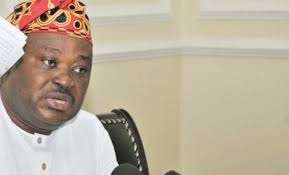
Nigeria’s Permanent Representative to the United Nations, Ambassador Jimoh Ibrahim, disclosed this while speaking with journalists at the State House ahead of a meeting with President Bola Ahmed Tinubu.
Ibrahim described Nigeria’s emergence as Chair of the Fifth Committee as a significant diplomatic milestone that would provide the country with greater opportunities to influence key administrative and financial decisions of the United Nations.
He said the position would also enable Nigeria to gain deeper insight into the organisation’s budgetary processes, strengthen its engagement with the UN and identify opportunities capable of supporting national development.
“I want to see how much Nigeria is getting from the UN budget on peacekeeping. That is very important because many countries depend on it. We need to know what Nigeria is earning from peacekeeping,” Ibrahim said.
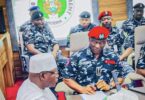
The envoy said the Federal Government was working with the Inspector-General of Police, Kayode Egbetokun, and the Deputy Inspector-General of Police, Tunji Disu, to advance President Tinubu’s peacekeeping agenda.
He noted that countries with well-trained security personnel, adequate equipment and modern operational capabilities could derive significant benefits from participating in United Nations peacekeeping missions.
According to him, peacekeeping remains a strategic avenue for Nigeria to expand its international contributions while also generating economic value for the country.
Ibrahim disclosed that the United Nations spends about $6.5 billion annually on peacekeeping operations, while approximately $3.4 billion is allocated to the organisation’s general administration.
Explaining the responsibilities of the Fifth Committee, he said the body is responsible for overseeing the UN’s budget and administrative affairs, noting that the organisation’s current budget stands at about $18.5 billion.
He further disclosed that the UN is projected to face a deficit of about $1.5 billion this year, with efforts underway to mobilise additional funding to sustain its operations.
On reforms within the United Nations, Ibrahim said the organisation was implementing administrative restructuring aimed at improving efficiency, effectiveness and accountability.
He explained that the reforms include the merger of overlapping agencies and departments to reduce duplication, streamline operations and strengthen institutional delivery.
The Nigerian envoy said the restructuring reflected a renewed commitment to making the United Nations more effective and better equipped to fulfil its mandate of addressing global challenges.
He added that Nigeria’s leadership of the Fifth Committee would provide an important platform for the country to contribute more meaningfully to global governance while advancing its national interests.