The lawmakers urged the Federal Ministry of Health and Social Welfare, NAFDAC, SON and the NCDC to strengthen nationwide surveillance, routine inspections and certification processes covering the entire food production and distribution chain.
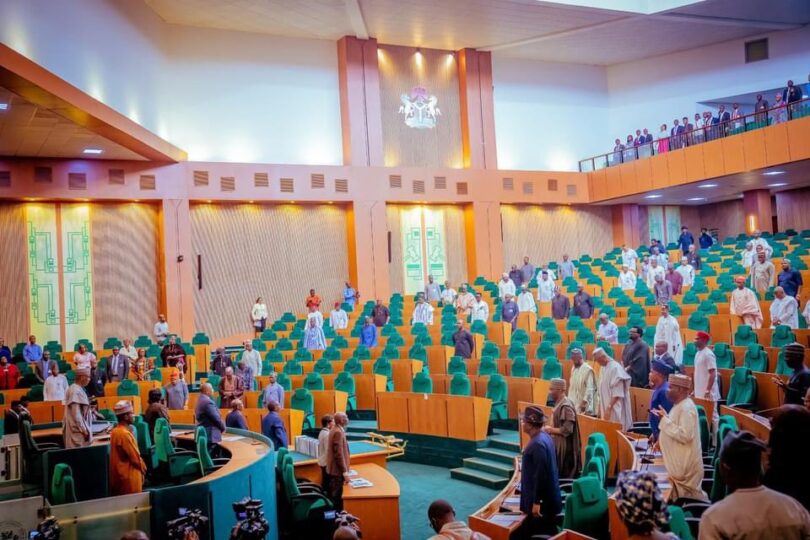
The House of Representatives on Tuesday called for urgent measures to strengthen Nigeria’s food safety system following concerns that the country records about 50 million cases of foodborne illnesses and more than 53,000 related deaths annually.
The resolution followed the adoption of a motion of urgent public importance sponsored by Billy Osawaru (APC, Edo).
Leading the debate, Mr Osawaru said unsafe food had become a major public health and economic challenge, despite efforts by the federal government and relevant agencies to improve food safety standards.
Citing figures from the World Health Organisation (WHO), he said unsafe food causes about 866 million illnesses globally every year, equivalent to one in every nine people and is responsible for approximately 1.5 million deaths annually, with Africa bearing the highest burden.
The lawmaker acknowledged Nigeria’s recent progress in strengthening its food safety systems, noting that the country attained a Level Three rating in the WHO 2025 State Party Annual Report, surpassing the global benchmark and placing Nigeria among the leading countries in Sub-Saharan Africa with functional systems for detecting, reporting and responding to foodborne disease outbreaks.
He, however, warned that the gains remained threatened by persistent challenges, including poor hygiene among food handlers, chemical contamination of food, open defecation, inadequate access to potable water, weak regulatory enforcement by agencies such as NAFDAC, and poor infrastructure in markets and abattoirs.
According to him, these factors continue to expose millions of Nigerians to contaminated food, resulting in preventable illnesses and deaths.
“Despite the federal government’s commitment to reducing foodborne diseases, Nigeria still records approximately 50 million foodborne illnesses and more than 53,000 deaths caused by unsafe food every year,” he said.
Mr Osawaru added that the diseases account for about 4.26 million healthy life years lost annually through illness, disability and premature deaths, with more than 80 per cent of those affected being children.
Beyond the health implications, he said foodborne diseases continue to impose a significant economic burden on the country.
According to him, Nigeria loses an estimated $3.6 billion annually through reduced productivity, medical treatment costs and trade restrictions arising from poor food safety standards.
The lawmaker also linked recurring cholera outbreaks across several states to contaminated food and water, citing reports by the Nigeria Centre for Disease Control and Prevention.
He said the outbreaks highlighted persistent weaknesses in the country’s sanitation systems and water infrastructure.
The motion was seconded by Awaji-Inombek Abiante (APC, Rivers).
Adopting the motion without debate, the House urged the Federal Ministry of Health and Social Welfare, NAFDAC, SON and the NCDC to strengthen nationwide surveillance, routine inspections and certification processes covering the entire food production and distribution chain.
The lawmakers also mandated the House Committees on Healthcare Services and Food Safety and Nutrition to work with NAFDAC, the NCDC, SON and other relevant agencies to ensure that adequate funding for the procurement of modern food-testing equipment is provided in future supplementary budgets.
The committees were further directed to prioritise the training, retraining and certification of food handlers nationwide and identify gaps in existing food safety laws with a view to proposing legislative amendments to strengthen Nigeria’s regulatory framework.
In addition, the House urged the Federal Ministry of Water Resources and the Federal Ministry of Health and Social Welfare to intensify investment in clean and potable water supply, as well as sanitation infrastructure, to reduce contamination associated with unsafe food and water.
The lawmakers also called on the Federal Ministry of Information and National Orientation to sustain nationwide public enlightenment campaigns on food safety, personal hygiene and the health risks associated with consuming contaminated food and water.