There are moments in politics when policy ceases to be rhetoric and becomes concrete — asphalt, bridges, and access. Wednesday, July 15, 2025, was one of those moments for the South East.
The joy in Anambra, in Igboland, and indeed across the South East is palpable. The reason is simple: Gov. Soludo took to his Social media handles to announce that President Bola Ahmed Tinubu, GCFR (DIKESIMBA NDIGBO) has approved two major federal road projects that will alter the economic geography of the region.
From Discussion to Action
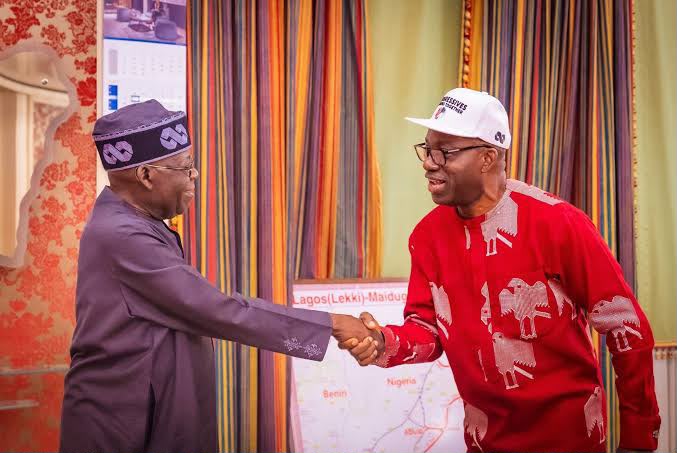
On July 1, Gov. Chukwuma Soludo CFR met with the President. The conversation was direct and focused on the infrastructure deficit that has held back the South East for decades. The next day, the Honourable Minister of Works, Senator Dave Umahi requested the specifics of the roads canvassed by Governor Soludo for construction.
On July 3, Governor Soludo forwarded two priority corridors for consideration:
1. The Otuocha–Anam–Abaji Road (108km) — to be dualized. This artery links Anambra to Kogi and opens a direct route to the North Central.
2. The Oba–Nnewi–Uga–Ihube/Okigwe Junction Road (150km) — also for dualization. This corridor connects Anambra and Imo to the Enugu–Port Harcourt Expressway, with direct linkages into Abia.
Twelve days later, on July 15, the Ministry of Works confirmed it: “Mr. President has approved both roads for design and procurement.”
Why These Roads Matter
For too long, the narrative about the South East and the Federal Government has been defined by what is absent. That narrative is changing.
These are not just state roads. They are regional economic corridors. The Otuocha–Anam–Abaji road integrates the South East with the North Central and the nation’s food basket. The Oba–Nnewi–Uga–Ihube road knits together Anambra, Imo, and Abia, and feeds directly into one of the busiest trade routes in the country — the Enugu–PH Expressway.
In effect, they will reduce travel time, lower the cost of goods, improve security through increased movement, and unlock investment across three geopolitical zones.
This is what intentional governance looks like.
A New Compact
The President who reclaimed land from the Atlantic in Lagos is now turning his attention to reclaiming lost ground in national integration. By prioritizing South East infrastructure, he is signaling that post-Civil War reconstruction is not just a talking point — it is now a policy agenda.
For those of us in politics, this is the ultimate validation. Politics must deliver. It must build alliances, negotiate in good faith, and return with results that improve the daily lives of citizens.
To be clear, this is not the end. There are several other foundational projects underway across the South East that deserve to be named and celebrated in due course. But today, this marks a significant step.
History will be kind to the new brand of progressive politics binding President Tinubu and Governor Soludo — not because of speeches, but because of roads built, economies connected, and wounds healed.
The South East will not be the same again.