Special Reports

Rising tobacco farming exposes African workers to health risks – WHO

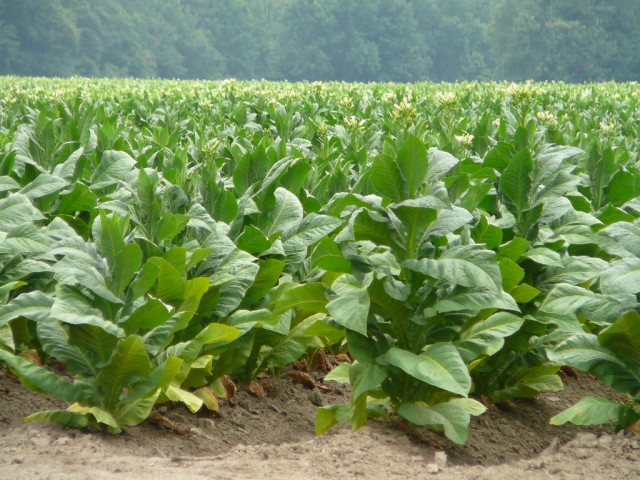
Africa produced more than 639,000 tonnes of tobacco leaf in 2024, representing about 11 per cent of global tobacco-leaf production, the analysis noted.

A new analysis by the World Health Organisation (WHO) has revealed that tobacco-leaf production in Africa increased by almost nine per cent between 2012 and 2024, despite a nearly 19 per cent decline in global production.

Africa produced more than 639,000 tonnes of tobacco leaf in 2024, representing about 11 per cent of global tobacco-leaf production, the analysis noted.

The findings showed that tobacco production is highly concentrated in five countries: Zimbabwe, Malawi, Tanzania, Mozambique and Uganda.

East Africa alone accounts for nearly 90 per cent of tobacco-leaf production on the continent.

Vinayak Prasad, head of the Tobacco Free Initiative at WHO, said tobacco farming exposes workers and their families to serious health risks, while also damaging the environment and potentially trapping farmers in cycles of debt.

Mr Prasad said the issue extends beyond tobacco control and should also be viewed through the lens of health, trade, development and environmental sustainability.

“This is not just a tobacco-control issue. It is a health, trade, development and environmental issue,” he said.

The analysis identified green tobacco sickness as one of the direct health risks faced by tobacco farmers.

The condition occurs when nicotine from wet tobacco leaves is absorbed through the skin during handling.

Farmers and other workers may also be exposed to pesticides and tobacco dust during cultivation and processing, the report noted.

Beyond direct exposure, tobacco farming also consumes large amounts of land, water and other natural resources that could otherwise support food production and sustainable livelihoods.

The practice is also associated with soil degradation, deforestation and greenhouse gas emissions from the curing of tobacco leaves.

WHO also raised concerns about children from poor households being involved in tobacco farming.

According to the organisation, children in some low and middle-income countries miss school to work on tobacco farms and supplement their family income.

The report said this could further expose children to the health and social risks associated with tobacco cultivation while affecting their education.

The health concerns come alongside an increase in Africa’s cigarette imports.

According to the analysis, the continent’s cigarette import bill more than doubled between 2012 and 2024, rising from $833 million to $1.77 billion.

The findings also challenged the argument that tobacco is economically indispensable to most countries.

Tobacco-leaf exports account for more than one per cent of gross domestic product in only a small number of economies, including Malawi and Zimbabwe.

For most countries, the economic contribution of tobacco production and trade is limited, while the health, social and environmental costs remain substantial, WHO said.

Mr Prasad said countries needed support to move away from economic dependence on tobacco and provide alternative livelihoods for farmers and workers.

“Countries need support to move away from economic dependence on a product that harms health, farmers and the environment,” he said.

He said the findings showed why trade and development policies needed to be aligned with public health and sustainable development goals.

Alternative livelihoods

Under Articles 17 and 18 of the WHO Framework Convention on Tobacco Control, countries are encouraged to promote economically viable alternatives for tobacco workers and growers.

The provisions also call on countries to protect the environment and human health from the effects of tobacco cultivation.

WHO called for stronger support for countries seeking to diversify away from tobacco production, protect farming communities and strengthen tobacco-control policies.

The organisation also urged countries to reduce the economic burden associated with tobacco use and trade.


Special Reports

Rising tobacco farming exposes African workers to health risks – WHO

Africa produced more than 639,000 tonnes of tobacco leaf in 2024, representing about 11 per cent of global tobacco-leaf production, the analysis noted.

A new analysis by the World Health Organisation (WHO) has revealed that tobacco-leaf production in Africa increased by almost nine per cent between 2012 and 2024, despite a nearly 19 per cent decline in global production.

Africa produced more than 639,000 tonnes of tobacco leaf in 2024, representing about 11 per cent of global tobacco-leaf production, the analysis noted.

The findings showed that tobacco production is highly concentrated in five countries: Zimbabwe, Malawi, Tanzania, Mozambique and Uganda.

East Africa alone accounts for nearly 90 per cent of tobacco-leaf production on the continent.

Vinayak Prasad, head of the Tobacco Free Initiative at WHO, said tobacco farming exposes workers and their families to serious health risks, while also damaging the environment and potentially trapping farmers in cycles of debt.

Mr Prasad said the issue extends beyond tobacco control and should also be viewed through the lens of health, trade, development and environmental sustainability.

“This is not just a tobacco-control issue. It is a health, trade, development and environmental issue,” he said.

The analysis identified green tobacco sickness as one of the direct health risks faced by tobacco farmers.

The condition occurs when nicotine from wet tobacco leaves is absorbed through the skin during handling.

Farmers and other workers may also be exposed to pesticides and tobacco dust during cultivation and processing, the report noted.

Beyond direct exposure, tobacco farming also consumes large amounts of land, water and other natural resources that could otherwise support food production and sustainable livelihoods.

The practice is also associated with soil degradation, deforestation and greenhouse gas emissions from the curing of tobacco leaves.

WHO also raised concerns about children from poor households being involved in tobacco farming.

According to the organisation, children in some low and middle-income countries miss school to work on tobacco farms and supplement their family income.

The report said this could further expose children to the health and social risks associated with tobacco cultivation while affecting their education.

The health concerns come alongside an increase in Africa’s cigarette imports.

According to the analysis, the continent’s cigarette import bill more than doubled between 2012 and 2024, rising from $833 million to $1.77 billion.

The findings also challenged the argument that tobacco is economically indispensable to most countries.

Tobacco-leaf exports account for more than one per cent of gross domestic product in only a small number of economies, including Malawi and Zimbabwe.

For most countries, the economic contribution of tobacco production and trade is limited, while the health, social and environmental costs remain substantial, WHO said.

Mr Prasad said countries needed support to move away from economic dependence on tobacco and provide alternative livelihoods for farmers and workers.

“Countries need support to move away from economic dependence on a product that harms health, farmers and the environment,” he said.

He said the findings showed why trade and development policies needed to be aligned with public health and sustainable development goals.

Alternative livelihoods

Under Articles 17 and 18 of the WHO Framework Convention on Tobacco Control, countries are encouraged to promote economically viable alternatives for tobacco workers and growers.

The provisions also call on countries to protect the environment and human health from the effects of tobacco cultivation.

WHO called for stronger support for countries seeking to diversify away from tobacco production, protect farming communities and strengthen tobacco-control policies.

The organisation also urged countries to reduce the economic burden associated with tobacco use and trade.