The interventions are part of broader efforts to improve nutrition outcomes among rural households in Jigawa, one of the states with the worst child malnutrition indicators in Nigeria.
It was 11 a.m., and the sun was full over Kyaurawa, a remote community in the Birnin Kudu LGA of Jigawa State. Along the narrow, rough pathway surrounded by dry bushes, scattered mud houses and isolated compounds appear intermittently across the quiet landscape.
“In the morning, we usually eat leftover food from the previous night,” she said. “In the afternoon, we cook rice, beans or drink milk. At night, we mostly eat foods made from millet, guinea corn and maize.”
However, things began to change after nutrition-focused interventions were introduced to the community. The interventions, organised by the government, donor agencies and other organisations, are part of broader efforts to improve nutrition outcomes among rural households in Jigawa, one of the states with Nigeria’s worst child malnutrition indicators.
“We were taught how to prepare nutritious meals using vegetables. We also learnt about personal hygiene, saving money through cooperative groups and how to improve milk production from our cows,” Mrs Umar-Dagaji said.
Yet, despite the interventions, child malnutrition remains widespread across the state, even though women in Kyaurawa said they have seen improvements, especially in their children’s health.
Nearly half of deaths among children under age five are linked to undernutrition, and most occur in low- and middle-income countries, according to 2022 data from the World Health Organisation (WHO).
The 2023–2024 Nigeria Demographic and Health Survey show that 56 per cent of children in Jigawa are stunted. The national average is 30.8 per cent. Yet, the Jigawa figures reflect an improvement from the 64 per cent recorded in 2018, likely linked to expanded community interventions.
Still, the burden remains heavy.
UNICEF estimates that about two million Nigerian children suffer from Severe Acute Malnutrition (SAM) every year, with northern Nigeria accounting for most of the cases. The agency says worsening poverty, rising food prices, insecurity and poor dietary diversity are pushing more families into nutrition crises across the region.
Recent food security assessments by the Integrated Food Security Phase Classification (IPC) also warned that rising inflation and declining household purchasing power are reducing access to protein-rich foods, fruits and vegetables, especially among vulnerable households in northern Nigeria.
Nutrition experts say the slight decline in malnutrition over the years may be linked to expanded community interventions, increased access to treatment for severe acute malnutrition, improved awareness of breastfeeding and child-feeding practices, and growing collaboration among health, agriculture, and social protection programmes.
Sahel Consulting Limited, an agriculture and nutrition-focused consulting firm, runs one of the programmes.
Umar Ibrahim, chairman of the Jauro Muhammadu Dangaje Dagaji Kyaurawa community, said improved livestock support and nutrition education have improved child health outcomes in the area.
Mr Ibrahim said backyard gardening, improved milk production and nutrition awareness campaigns by the organisation have also helped many households improve children’s diets and overall health. “Since we started planting vegetables, we no longer see malnutrition like before.”
Mrs Umar-Dagaaji corroborated the claim. “Over the past one to two years, we have not had malnutrition cases among our children,” she said.
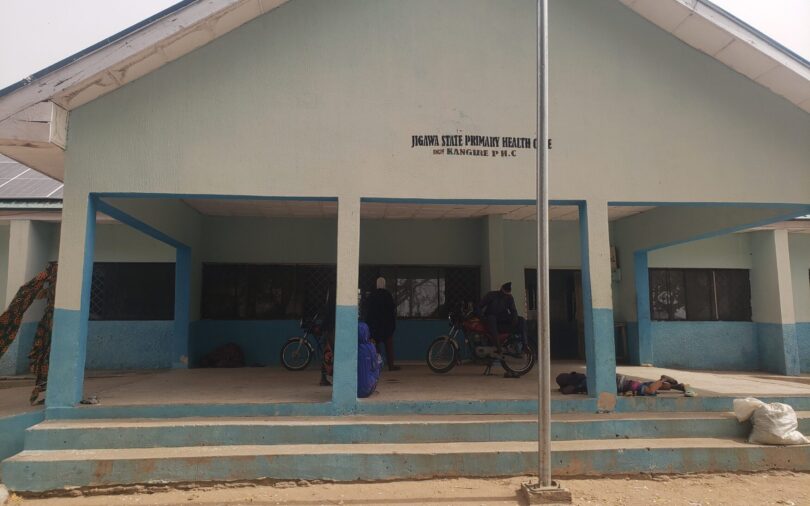
She said Kyaurawa residents access healthcare mainly through the Birnin Kudu General Hospital and the Primary Healthcare Centre in Kangire, while a solar-powered borehole installed through Sahel Consulting’s intervention has improved access to water and hygiene.
In Danzabarma, residents said they were initially sceptical about the intervention programmes because many people did not understand their purpose or trust outsiders entering the remote settlement.
It took officials months to build trust and explain their activities before people gradually accepted them.
“At first, we rejected them because we did not understand what they wanted to do. They spent almost a year talking to us and explaining things carefully before we finally realised they genuinely wanted to help us,” Ibrahim Nagaya, a resident, said.
The intervention first focused on improving livestock healthcare and access to clean water before expanding into household nutrition, women’s empowerment, and income-support activities.
Women were trained in small-scale businesses, savings systems, and income-generating activities.
“Before now, most women stayed at home without any source of income,” Mr Nagaya said, adding that they were trained in different business activities so they could support their families and improve household feeding.
The programme also introduced community savings structures that residents now rely on during emergencies and hardship.
“We now contribute money to a community account. Both men and women participate, and when somebody has a problem, the community supports that person from the savings,” he added.
Residents also said improved water access and livestock assistance boosted milk yields and animal health. Previously, livestock drank from polluted streams, leading to disease and reduced production.
“Our animals used to drink from dirty streams where they also urinated and defecated,” he said. “Now they drink clean water from boreholes, and their health has improved.”
Residents were also trained by Sahel Consulting in improved animal-feeding practices, including pasture cultivation and improved livestock nutrition.
“Before, most cattle produced about two litres of milk, but now some produce up to five litres,” he said.
Mr Nagaya added that the intervention also improved awareness around maternal nutrition and breastfeeding within households.