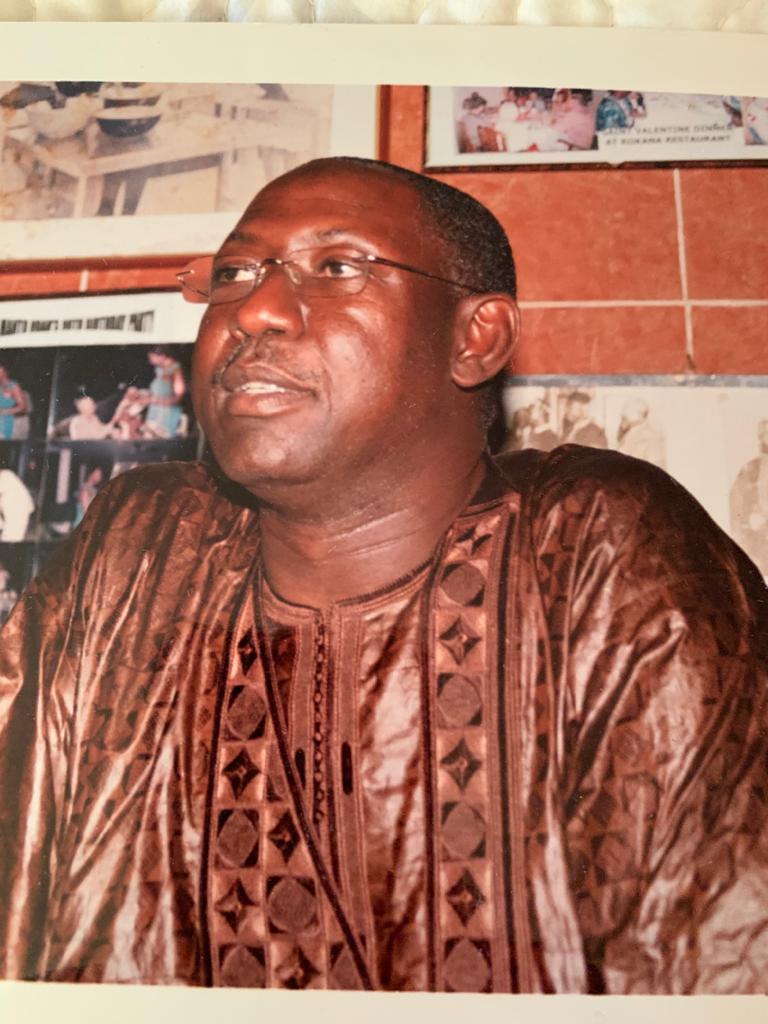
Walter Rodney occupies a strange place in the historiography of Sierra Leone. He is everywhere and nowhere. His work shadows some of the most important questions that can be asked about Sierra Leone’s past, yet he has rarely been placed at the centre of Sierra Leonean historical reflection. His presence is foundational, but his reception has been faint. He gave historians one of the most powerful frameworks for understanding the deep past of the region that became Sierra Leone, yet that framework has been neither fully absorbed nor systematically challenged by Sierra Leonean scholars. It has, in many respects, been bypassed.
Walter Rodney: Sierra Leonean historiography’s refusal of a radical inheritance, By Ibrahim Abdullah