CYRIACUS IZUEKWE
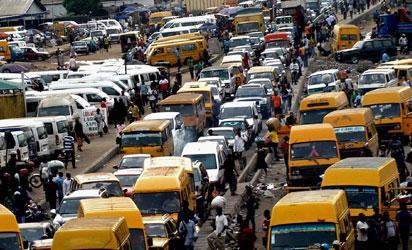
While Lagosians sit for 3 hours in traffic at Oshodi, Mile 2, and Lekki-Epe, etc. someone is counting money.
Our 6-month investigation reveals that Lagos gridlock in 2026 is not just a transport failure. It is a multi-billion Naira industry with touts, security agents, tow operators, hospitals, and government contractors feeding from it.
We tracked cash, contracts, and casualties. The figure: ₦4.3 billion estimated to change hands monthly around Lagos’ 5 notorious black spots.
1. The tout economy: ₦1.2bn monthly at bus stops
Where: Oshodi, Iyana Ipaja, Mile 2, Ojota
2026 Data: P.M.EXPRESS counted and interviewed 40 touts across 4 major parks. Average collection per tout: ₦15,000 – ₦25,000 daily.
How it works:
1. “Loading fee”: ₦200 per bus to enter park
2. “Gate fee”: ₦500 per driver to NURTW chairman
3. “Security”: ₦1,000 weekly to Police posts “for protection”
A senior NURTW official in Oshodi, who spoke on condition of anonymity: “We remit to the union, we settle LASTMA, we settle Police. If there is no traffic, there is no money.”
The link to crime: 6 former touts told us some park chairmen allegedly fund “one chance” drivers. “Busy park means more desperate passengers at night.”
2. The accident business: tow trucks, panel beaters and hospitals

Where: Third Mainland Bridge, Mile 2, Lekki-Epe
2026 Data: FRSC recorded 1,847 crashes Jan-July 2026 on highways. LASAMBUS treated 3,212 victims.
The value chain:
1. Tow trucks: ₦50,000 – ₦150,000 per vehicle. 3 companies have exclusive LASG contracts. One operator told us: “We make ₦8m monthly. The worse the traffic, the better.”
2. Panel beaters: Ikeja, Mushin, and Ajegunle workshops report 40% increase in jobs in 2026. Average bill: ₦300,000
3. Hospitals: LUTH, Gbagada, and private hospitals. Insurance paid ₦2.1bn in claims from these 5 spots in 6 months. One hospital billing clerk: “RTA cases are our highest revenue.”
3. The contractor cycle: lights that never come on
2026 Finding: Lagos State awarded ₦6.8bn in 2025 for “Solar streetlights and CCTV” on Third Mainland and Lekki-Epe.
Status July 2026:
– Third Mainland: 2.3km still in total darkness. Only 11 of 64 lights working
– Lekki-Epe: Project “60% complete” for 14 months
A Ministry of Works engineer: “Funds are released in tranches. By the time we get to site, prices have gone up.”
Meanwhile, security agencies buy diesel daily to power generators at checkpoints in those same dark spots.
4. LASTMA and Police: tickets and “settlement”
2026 Data: LASTMA issued 5,140 tickets for one-way driving at Mile 2 alone Q1-Q2. Official revenue: ₦257m.
But 12 drivers told us the real business is “on-the-spot settlement” — ₦10,000 to ₦30,000 to avoid impoundment.
An RRS officer posted to Lekki: “We are 20 men covering 15km. We cannot be everywhere. So when gridlock happens, we manage.”
Translation: Gridlock creates the need for more “management”.
5. The insurance and POS fraud ring*
2026 Data: ₦12.7m traced to fraudulent transfers from “one chance” buses at Iyana Ipaja.
Insurance companies now have a special “Lagos black spot” premium. Comprehensive cover for cars plying Lekki-Epe rose 44% in 2026.
The human cost vs the money
While the economy runs:
– 57 people died in those 5 spots Jan-July 2026
– Average commuter loses 15 hours weekly in traffic = ₦78,000 in lost productivity per worker
– Victims families get nothing. No compensation fund exists.
Dr. Ayoola, Public Policy Analyst: “In Lagos, inefficiency has been monetized. Until we criminalize profiting from public failure, nothing will change.”

Official response
LASG Commissioner for Transportation: “We are digitizing ticket payments and removing touts by Q4 2026. The streetlight project will be completed.”
NPF: “We have arrested 22 touts and 3 Police officers for extortion in 2026.”
Recommendations
1. Audit all 2025 road safety contracts and publish status
2. Body cams for LASTMA/Police at black spots
3. Victims compensation fund from ticket revenue
4. 24hr tow and ambulance owned by LASG, not contractors
The bottom line: In Lagos 2026, traffic is not a bug. For some, it is the business model. Until Lagosians demand accountability, the gridlock will keep paying dividends — in blood and in cash.