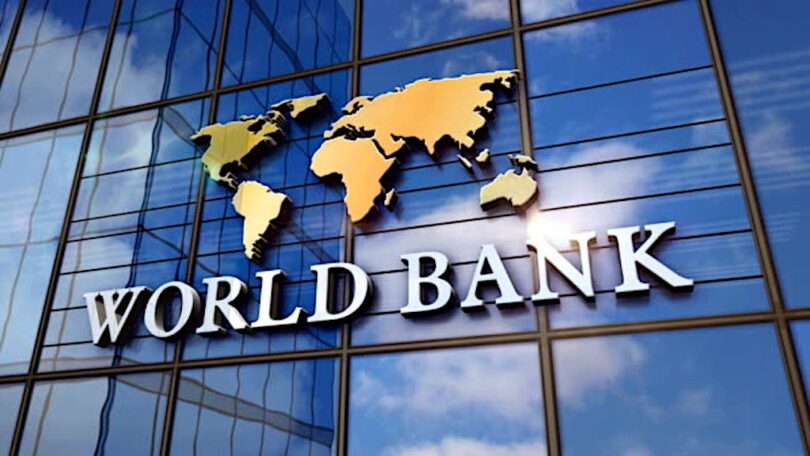
Nigeria’s efforts to modernise its seaports have received international endorsement after the World Bank listed Apapa and Tin Can ports among the top 20 most improved ports globally.
The World Bank has ranked Nigeria’s Apapa Port Complex and Tin Can Island Port Complex among the 20 most improved ports globally, highlighting the impact of ongoing reforms and operational improvements in the country’s maritime sector.
The ranking comes amid efforts by the Nigerian Ports Authority (NPA) to modernise port infrastructure, streamline operations and improve service delivery as part of broader reforms aimed at enhancing Nigeria’s competitiveness in global trade.
According to the report, the two ports were listed in the global Top 20 Port Improvement category, a development that signals growing confidence in Nigeria’s maritime industry and its capacity to facilitate international commerce.
The CPPI, jointly developed as a global benchmark for measuring port performance, assesses ports based on the amount of time vessels spend in port and provides comparative data on operational efficiency across major ports worldwide.
The index is widely used by governments, investors, shipping companies and logistics operators to evaluate port productivity and identify areas requiring improvement.
The latest ranking is being viewed as a major endorsement of the reforms being implemented under the leadership of the Managing Director of the NPA, Abubakar Dantsoho, whose administration has prioritised infrastructure renewal, equipment upgrades and operational efficiency.
The NPA noted that improved port operations have contributed to the country’s ability to record consecutive trade surpluses since 2024 by enhancing the efficiency of import and export activities.
Data released by the National Bureau of Statistics (NBS) showed that Nigeria recorded a trade surplus of ₦7.5 trillion in the first quarter of 2026, underscoring the growing importance of efficient port operations to economic growth, revenue generation and international trade.
Reacting to the World Bank ranking, Mr Dantsoho attributed the achievement to the economic policies of President Bola Tinubu and the support provided by the Minister of Marine and Blue Economy, Adegboyega Oyetola.
He said ongoing investments in port infrastructure and equipment modernisation were beginning to yield tangible results, adding that the NPA would continue to pursue measures aimed at improving trade facilitation and strengthening the competitiveness of Nigerian ports.
“With the investor-friendly policies of President Bola Ahmed Tinubu providing the impetus for increased investment to drive our port infrastructure and equipment modernisation programme, coupled with the unflinching support of the Honourable Minister of Marine and Blue Economy, Adegboyega Oyetola, we have all it takes to further enhance trade facilitation, improve competitiveness and boost the national economy,” he said.
The World Bank recognition could further strengthen investor confidence in Nigeria’s maritime sector at a time when the government is seeking to position the country as a major logistics and trade hub in West Africa.
The development is also expected to support ongoing efforts to attract greater private-sector investment into port infrastructure, deepen regional trade integration and improve Nigeria’s standing within global supply chains.