The lawmakers also called on the Pan-African Parliament to step in and lead broader continental efforts to curb xenophobia and prevent similar attacks across Africa.
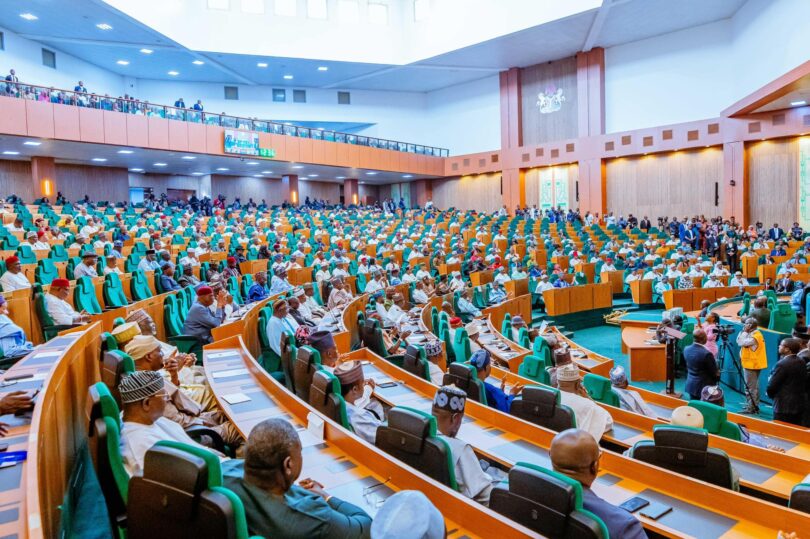
The House of Representatives on Tuesday called for urgent diplomatic action and possible evacuation of Nigerians in South Africa following renewed xenophobic attacks that have led to the deaths of two citizens.
Moving the motion, Mr Ojogo said the latest wave of violence in South Africa had reached “an alarming level,” with Nigerians increasingly becoming targets of attacks linked to anti-foreigner sentiments.
The House specifically cited the killing of two Nigerians, Amaramiro Emmanuel and Ekpenyong Andrew in separate incidents in April.
Mr Andrew was reportedly arrested on 19 April in Pretoria following an altercation with officials of the Sewanet Metro Police. His body was later found at the Pretoria Central Mortuary under unclear circumstances.
In a separate incident, Mr Emmanuel died on 20 April from injuries sustained after he was allegedly beaten by personnel of the South African National Defence Force.
Mr Ojogo expressed deep concern that both deaths involved security personnel, describing the incidents as disturbing and unacceptable.
He said the killings reflect a broader pattern of xenophobic hostility that has persisted despite repeated diplomatic engagements between Nigeria and South Africa.
Seconding the motion, Billy Osawaru (APC, Edo) described the situation as “a shame,” noting that Nigerians in South Africa continue to live in fear.
He cited figures suggesting that more than 180 Nigerians have been killed in the country in the past two years, with reports indicating that Nigerians are among the most frequent victims of weekly attacks on foreign nationals.
“This continued killing and harassment undermines Nigeria’s sovereignty, damages our international image, and affronts the dignity of the Nigerian state,” Mr Osawaru said.
In his remarks, Mr Kalu condemned the attacks, calling them a violation of African unity and solidarity.
He said Nigeria has played a significant role in supporting liberation movements across the continent and should not be subjected to such treatment.
“An attack on any Nigerian anywhere is an attack on Nigerians everywhere,” he said, urging South Africans to reflect on the shared history between both countries.
Mr Kalu, however, cautioned against retaliation, stressing that diplomatic engagement remains the preferred approach to resolving the crisis.
Adopting the motion, the House mandated its Committee on Foreign Affairs to liaise with the Ministry of Foreign Affairs to take immediate diplomatic action.
Lawmakers urged the ministry to engage South African authorities and demand stronger protection for Nigerians living in the country.
They also called on the federal government to begin arrangements for the evacuation of Nigerians willing to return home from affected areas.
The lawmakers also called on the Pan-African Parliament to step in and lead broader continental efforts to curb xenophobia and prevent similar attacks across Africa.
Xenophobia simply means fear, hatred, or dislike of people from other countries. It often leads to discrimination, harassment, or violence against foreigners.
In this case, Africans from other countries, including Nigerians, are being attacked in South Africa by some locals who accuse them of taking jobs or engaging in crime.
The latest concern follows a series of violent incidents in April, which drew widespread outrage in Nigeria.
Videos circulated online showing groups of South Africans attacking black foreigners. In some clips, men armed with sticks were seen chasing and beating migrants while ordering them to leave the country. The footage raised fears of coordinated attacks and deepening hostility against non-South Africans.
Amid the tension, the Nigerian Consulate in Johannesburg confirmed that two Nigerians were killed in separate incidents involving security personnel.
According to the Consul-General, Ninikanwa Okey-Uche, one of the victims, Mr Andrew, was arrested in the Booysens area of Pretoria following an alleged altercation with officials of the Tshwane Metro Police.
Days later, on 19 April, his body was discovered at the Pretoria Central Mortuary. The circumstances surrounding his death remain unclear, but Nigerian authorities say he died while in custody.
The second victim, Mr Emmanuel, died on 20 April after he was allegedly attacked and beaten by personnel of the South African National Defence Force (SANDF) in Port Elizabeth. He reportedly sustained severe injuries during the assault, which later proved fatal.
Nigerian officials expressed particular concern that both incidents involved security operatives, raising questions about the safety of foreign nationals even in the hands of law enforcement.
Following the killings, the Nigerian authorities signalled a tougher response.
The Minister of Foreign Affairs, Bianca Odumegwu-Ojukwu, summoned South Africa’s acting High Commissioner to formally register Nigeria’s displeasure over the treatment of its citizens.