Nigeria, through its reception and responses, is being diplomatic, without seeming to appear offensive. But the detail in every diplomatic gesture of this type is in the nuances. The Presidency on the international stage is a club of brothers, sovereigns in each individual right, bonded by mutual self-respect, established diplomatic relations, and courtesies. Where cracks occur, there must be an underlying conflict, in this case, the recurrent murder, harassment and deportation of Nigerians in South Africa. When the Nigerian President refuses to see envoys from a brother-President, and his Foreign Ministry says there was no prior notice, that is a sophisticated way of expressing displeasure or a subtle rejection of the envoys either on the grounds that they are too junior, so they are asked to meet their counterparts in the receiving country, or this may be a message to the sending country. Whatever may be the sub-text of Nigeria’s snobbery of President Ramaphosa, this is the most appropriate response in this matter. President Tinubu has simply stood up for his own countrymen. He has sent a message that he is a very busy President, who cannot just receive envoys “without prior notice”. It is hard though to believe that this is the true story. But as proud and concerned Nigerians, it is a cover story that we would rather believe. Thank you, Mr. President, for this diplomatic moment. Nigerian lives matter at home and abroad. Citizen diplomacy must remain at the centre of Nigeria’s diplomatic process: essentially the strategic framework of Demography, Development, Diaspora, and Democracy (the 4Ds).
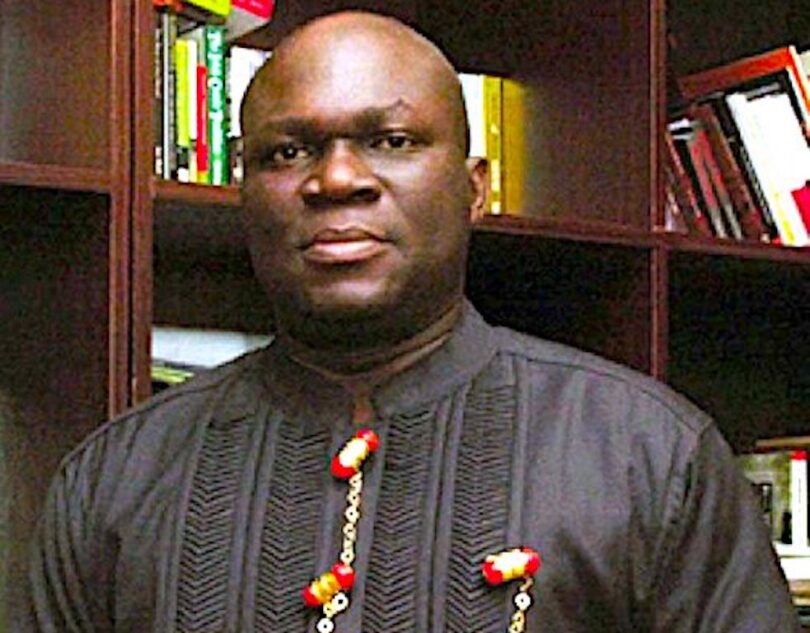
Xenophobia, Tinubu and Ramaphosa, By Reuben Abati