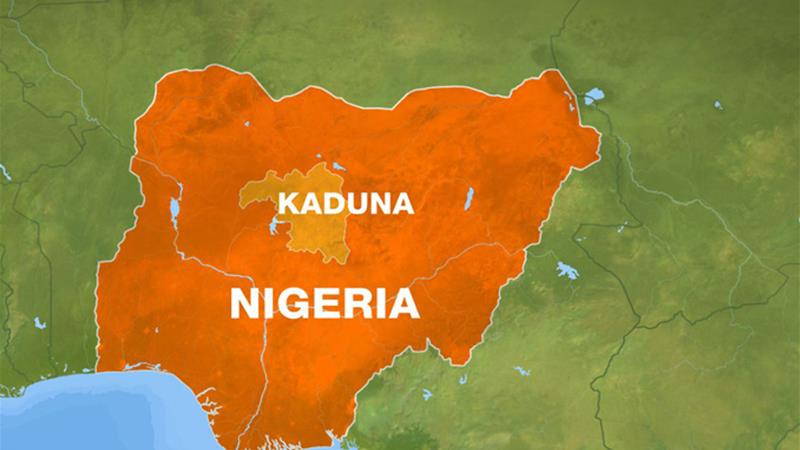
The Kaduna State Government has unveiled its 2025/2026 Annual School Census and Out-of-School Children Mapping reports as it plans to return 187,719 out-of-school children to classrooms across the state.
The reports, launched on Friday in Kaduna, are expected to guide decisions on school construction, teacher deployment and targeted interventions, with officials saying the data will strengthen evidence-based planning in the education sector.
Deputy Governor of Kaduna State, Dr Hadiza Balarabe, said the reports showed that 187,719 children remained out of school, with poverty identified by more than 91 per cent of affected households as the biggest barrier to enrolment.
She said education received 25 per cent of the state’s 2026 budget, adding that the government had reduced the number of out-of-school children from more than 500,000 through sustained investments, free basic education and school feeding programmes.
Country Director of Save the Children International, Duncan Harvey, described the mapping exercise as a landmark study that replaced guesswork with household-level data collected across Kaduna’s 23 local government areas.
Harvey said the findings identified the characteristics and locations of out-of-school children, enabling targeted interventions and supporting the project’s goal of returning 100,000 children to school.
He urged government, donors, communities and the media to sustain collaboration and ensure the data translated into concrete action for vulnerable children.
Commissioner for Planning and Budget, Mukhtar Ahmad, said the exercise reflected Kaduna’s commitment to evidence-based planning and accountability in the education sector.
Commissioner for Education, Prof. Abubakar Sambo, said the findings would guide sector planning, teacher deployment and school infrastructure development. He added that preparations had begun for the 2026/2027 Annual School Census.
Sambo said Kaduna had also been asked to support Nasarawa, Niger and Zamfara states in conducting similar education data exercises.
Statistician General of the Kaduna State Bureau of Statistics, Dr Baba Alhaji, said the state adopted a digitised Education Management Information System for the census to improve data accuracy and reliability.
He said the exercise covered all 23 local government areas and would strengthen policy formulation, budgeting and monitoring of education outcomes.
Executive Secretary of the National Commission for Almajiri and Out-of-School Children Education, Dr Mohammad Idris, called for greater teacher accountability and practical reforms to improve learning outcomes.
He also advocated removing school uniform requirements for poor families and prioritising quality teaching to expand access to education.
Representing the Statistician General of the Federation, Hassan Harun, said the reports provided credible data for policy formulation, resource allocation and improved educational outcomes.
Harun urged stakeholders to sustain annual education data collection and strengthen collaboration to promote evidence-based decision-making nationwide.
Chairman of the Kaduna State House of Assembly Committee on Education, Mahamoud Ismaila, pledged continued legislative support for policies promoting inclusive and quality education.
He commended the state government’s investments in education and urged sustained efforts to keep children enrolled and learning.
The Reaching Out-of-School Children (ROOSC) Project Coordinator, Mr Ezra Angai, said the project had already returned more than 25,000 children to learning and remained on course to enrol 100,000 within four years.
He said the project was expanding school infrastructure, teacher training and community engagement with support from development partners.
UNICEF Chief of Field Office in Kaduna, Gerida Birukila, urged government and development partners to translate the digitised education data into action for children.
Birukila stressed the need to prioritise children with disabilities and ensure the reports informed policies, budgets and innovative learning solutions.