The ADC presidential candidate says the subsidy should be restored, and those who diverted public funds meant for the scheme should be made to account for them.
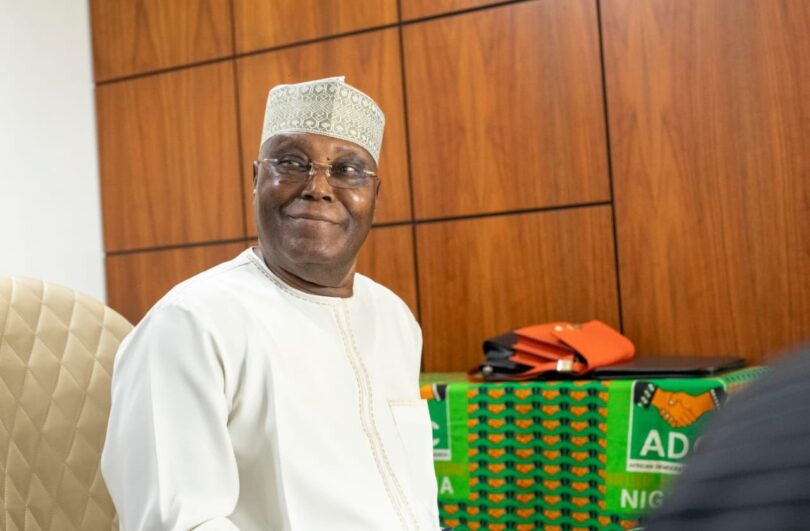
The presidential candidate of the African Democratic Congress (ADC), Atiku Abubakar, has promised to restore petrol subsidy if elected president in the 2027 general election.
He said that although he did not initially oppose the decision to remove the subsidy, developments since the policy was scrapped have changed his position.
“I initially did not oppose the removal of the fuel subsidy. But now that it has been removed, where is the money?” Atiku asked.
He said his administration would reverse the policy if elected, while also pursuing those accused of diverting funds meant for the subsidy.
“If I win the presidential election, I will restore the subsidy. And anyone who stole Nigeria’s subsidy funds must return the money,” he said.
Abu Bakar noted that the resources previously spent on subsidising petrol could instead have been channelled into areas such as healthcare, education, security and youth empowerment.
“Now it has been removed. Where is the money? If the funds were used to improve healthcare, education, insecurity, security and youth empowerment, things would have been better,” he added.
His comments came a day after the Federal Government presented a fresh account of the financial impact of its economic reforms, including the removal of petrol subsidy and the liberalisation of the foreign exchange market.
Earlier on Wednesday, the Minister of Finance and Coordinating Minister of the Economy, Taiwo Oyedele, said the reforms mobilised an estimated ₦15.8 trillion in subsidy savings for the Federation between June 2023 and December 2025.
The figure, however, does not represent only money retained by the Federal Government. According to the Finance Ministry, ₦5.43 trillion of the estimated savings accrued to the Federal Government, ₦6.52 trillion to states, and ₦3.88 trillion to local governments.
The ministry said the Federal Government also generated ₦3.12 trillion in other incremental revenue and raised ₦11.85 trillion through additional borrowing, bringing its total incremental resources during the period to ₦20.4 trillion.
Abubakar, however, questioned the government’s account of the savings and argued that Nigerians had yet to see sufficient improvement in their living conditions.
He said the hardship experienced by Nigerians was largely the result of injustice and corruption among political leaders, adding that public officials who diverted public funds should be made to return them.
President Bola Tinubu announced the removal of the petrol subsidy during his inauguration on 29 May 2023, declaring that “fuel subsidy is gone.” The announcement was followed by a sharp increase in petrol prices and subsequent pressure on the prices of transportation, food and other goods and services.
The government has since defended the reform as necessary to reduce fiscal pressure and end what it described as an unsustainable subsidy regime.
The Finance Ministry’s latest scorecard says the reforms have also helped increase government resources, strengthen foreign reserves and reduce fiscal pressures. However, it acknowledges that household welfare and poverty remain unfinished areas of the reform programme.
Atiku’s proposal, therefore, sets up a major policy debate ahead of the 2027 presidential election, as he promises to reverse one of the defining economic decisions of President Tinubu’s administration.