Special Reports
CBN dismisses concerns over decline in foreign reserves

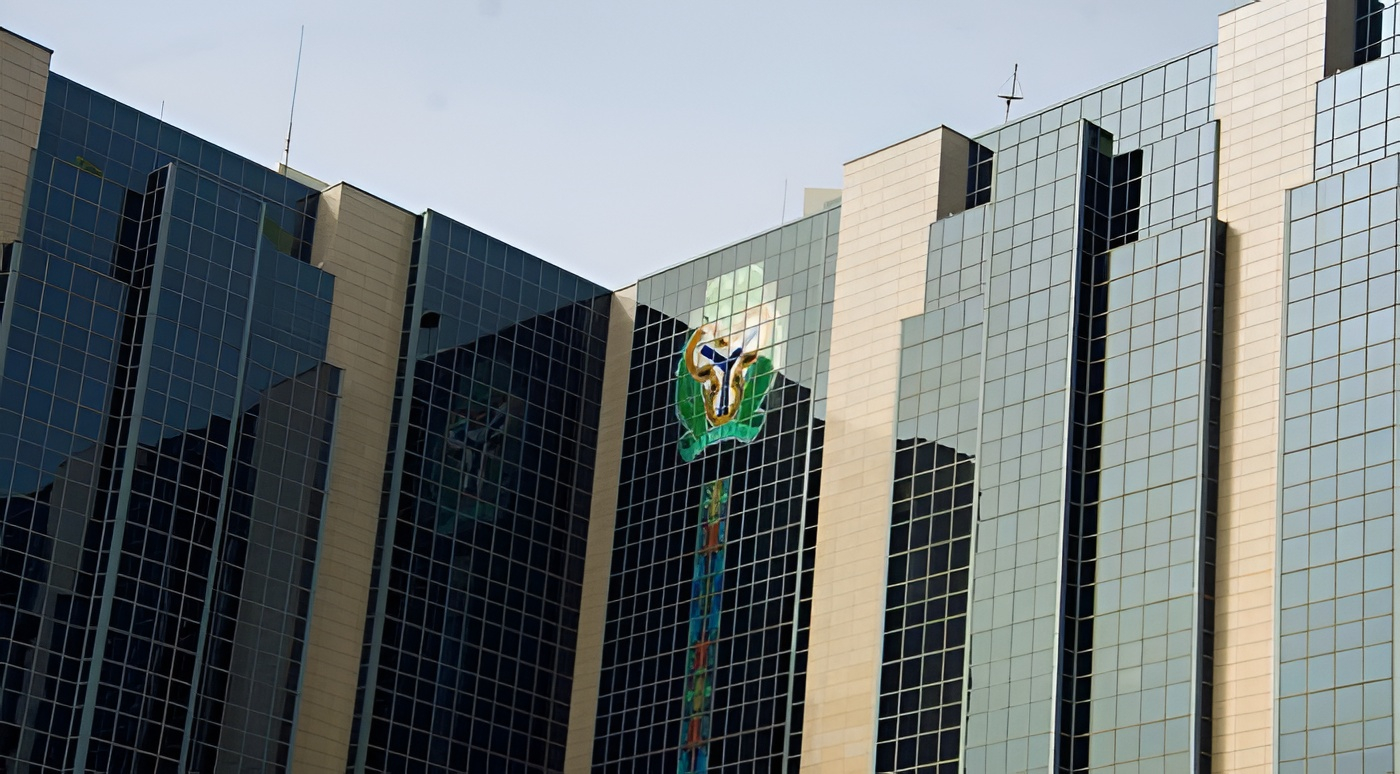
The Governor also pointed to sustained diaspora remittance inflows and a current account surplus as factors supporting Nigeria’s external position
The Central Bank of Nigeria (CBN) Governor, Olayemi Cardoso, dismissed concerns over the recent decline in the country’s foreign exchange reserves, attributing it to seasonal demand.
He said this at ..-Monetary Policy Committee (MPC) briefing following the 308th MPC meeting on Tuesday.
Responding to concerns about the recent decline in reserves and volatility in the foreign exchange market, the Governor attributed the developments partly to year-end portfolio adjustments by foreign investors.
He clarified that domestic users are also increasing demand for foreign exchange to hedge against future needs.
Mr Cardoso also identified increased spending associated with the forthcoming election as another factor contributing to foreign exchange demand, noting that the developments were seasonal and that market volatility would moderate in the coming year.
The Governor also pointed to sustained diaspora remittance inflows and a current account surplus as factors supporting Nigeria’s external position.
“There’s still a current account surplus, very significant. As for diaspora remittances, this last month, again, was very high. We were about a billion, so that is all going to sustain the buffers that you know would see us without a problem going into the future,” he said.
The Governor said the recent decline, which he put at about $300 million, was relatively small compared with the country’s reserve position.
“It came down by around $300 million; it’s a very modest amount. It’s not something that anybody should lose sleep over,” he said.
Mr Cardoso assured Nigerians that the CBN would continue to take measures to sustain exchange rate stability, adding that the recent volatility did not indicate a fundamental deterioration in the country’s external position.
He also said the bank expected foreign exchange market volatility to moderate as the country moves into the new year.
At the meeting, CBN retained the borrowing rate at 23 per cent to further support the disinflation movement.
Nigeria’s headline inflation rate has declined for the fifth consecutive month, falling from 15.39 per cent in August to 14.63 per cent in September and 14.06 per cent in October 2026, according to the National Bureau of Statistics (NBS).
In October, core inflation also fell to 10.78 per cent from 12.95 per cent, while food inflation declined to 19.13 per cent from 19.59 per cent.
Mr Cardoso said the disinflation showed that resetting the borrowing rate to 23 per cent in September had not disturbed the tight monetary stance maintained by the MPC.


Abia Gets New Commissioner Of Police

2027: Obasa Leads Mandate Movement Launch, Urges Mass Mobilisation for PBAT-KOH

NEC appeals ruling ordering Adebutu‘a inclusion in 2027 Ogun governorship election

Tsafe Ta Gabas Stakeholders Visit Gov. Dauda Lawal, Appreciates His Commitment To Their Welfare And Infrastructural Development

“We Had No Hand In The Transaction” — NGF Says It Was Not A Party To $100m Paris Club Refund Deal

Makinde’s campaign group questions Tinubu’s N3.15trn budget cut

‘Nobody Is Above the Law’ – Kogi Govt Reveals Amount Paid by Tinubu for Campaign Signage

Tinubu pledges rescue of schoolchildren at Maiduguri rally
Jumia Nigeria Unveils ‘No Manage Am’ Black Friday 2026 Campaign With Up To 60% Off
MTN Nigeria Unveils Y’ello Y’Fi To Help Expand Digital Solutions For SMEs And Drive Business Growth
CBD COP17: Experts explore new conservation models to advance Africa’s 30×30 goals
“User Funds Are Completely Safe” — Binance Investigates Suspected $6.3 Billion Hack, Suspends Deposits And Withdrawals
Onaivi, Ojeikhoa, Adebayo, others, to address issues around leadership at 2026 Industry Impact Summit
Kano Fire Service recovers body of drowned man
You Know Nothing About Economics – Presidency Hits Back At Atiku
Dr Chibueze Ofobuike Hosted By Umuchu Indigenes As He Arrives Lagos For Engagement With Aguata Stakeholders

 Business2 days ago
“Airlines Increase Seat Availability But Do Not Necessarily Reduce Airfare” — Christmas Return Tickets Hit ₦822,000 As Carriers Expand Flights Across Nigeria
- Top Stories3 days ago
“1,571 Tractors Deployed To 23 States” — APC PCC Lists Agriculture Interventions As Tinubu Approves ₦1.5tn BOA Recapitalisation
- Special Reports23 hours ago
Zamfara Govt Suspends Campaign In Maru LGA Following Fatal Accident In Gummi
- Business5 days ago
“₦1,472/$ In Parallel Market, ₦1,394/$ At Official Window” — Naira Weakens Further Against Dollar
- News24 hours ago
NAFDAC Threatens Prosecution Over Illegal Pharmacy Raids In Edo
- Special Reports1 day ago
United Nigeria Airlines’ Lagos–Jos–Kano Flights: Mutfwang Says Operations Will Boost Trade & Tourism
 Politics24 hours ago
ADC Demands Tinubu’s Impeachment Over Gov Yusuf’s S’Court Revelation
- Special Reports1 day ago
United Nigeria Airlines’ Lagos–Jos–Kano Flights: Mutfwang Says Operations Will Boost Trade & Tourism