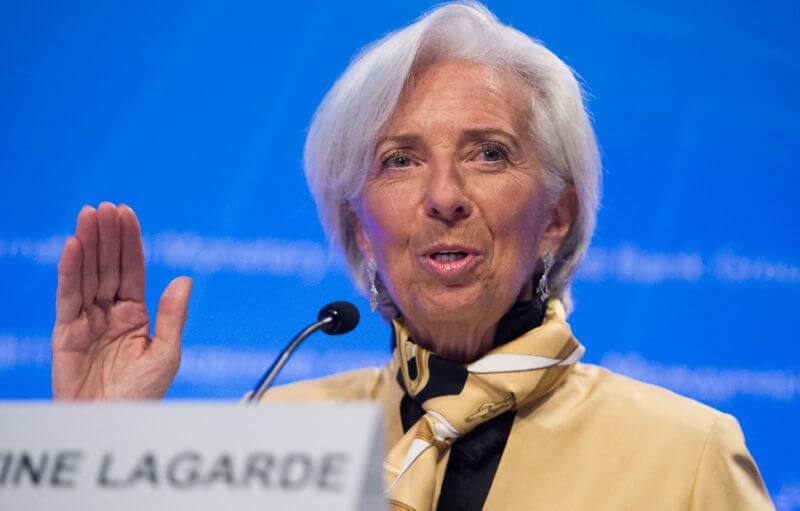
The President of the European Central Bank, Christine Lagarde, has stressed the need for central banks across the world to maintain their independence amid growing political and economic pressures.
Speaking on Thursday at a conference in Phnom Penh, Cambodia, Lagarde said the challenge facing monetary institutions was no longer just how to guarantee independence, but how to protect it when tested.
“The question is no longer simply how to guarantee independence,” she said. “It is how to protect it when it is put to the test.”
Lagarde noted that central banks in emerging markets and developing economies had long operated under more difficult conditions and said developed economies could learn from their experiences.
“We have more to learn from your experience than the other way around,” she told central bankers from parts of the Middle East and West Africa attending the conference.
Her comments come amid rising concerns over political interference in monetary policy, particularly in the United States, where President Donald Trump has repeatedly criticised the Federal Reserve System over interest rate decisions.
Lagarde also referenced lessons from the 1970s oil shock and stagflation era, arguing that evidence had shown countries with less independent central banks often experienced higher inflation.
“This evidence underscored the need to shield monetary policy decisions from the electoral cycle,” she said.
According to her, central banks must remain close enough to governments to serve the public interest, while retaining enough autonomy to resist political pressure.
“To best serve the public interest, a central bank must be close enough to the state — but independent enough to resist the pressures of the moment,” she added.
Lagarde further warned that increasing economic shocks and declining public trust in institutions could weaken the authority and credibility of central banks globally.
“It is precisely when monetary policy decisions are politically fraught and economically costly that credibility is most needed,” she said.
Her remarks followed recent comments by ECB board member Isabel Schnabel, who warned that rising government debt levels could quietly erode central bank independence by increasing pressure on policymakers to keep interest rates low.