Business
“Drug Quality Should Remain In Public Hands” — PSN Opposes Medipool Control Of Public Medicine Supply Chain


The Pharmaceutical Society of Nigeria has opposed the Federal Government’s proposed arrangement with Medipool for the procurement and distribution of medicines to public health facilities, warning that handing over the pharmaceutical supply chain to a private company could weaken regulatory oversight and threaten national security.
The society said the arrangement could undermine collaboration between the government and regulatory agencies responsible for controlling the distribution of medicines, including the Pharmacy Council of Nigeria, the National Agency for Food and Drug Administration and Control, and the National Drug Law Enforcement Agency.
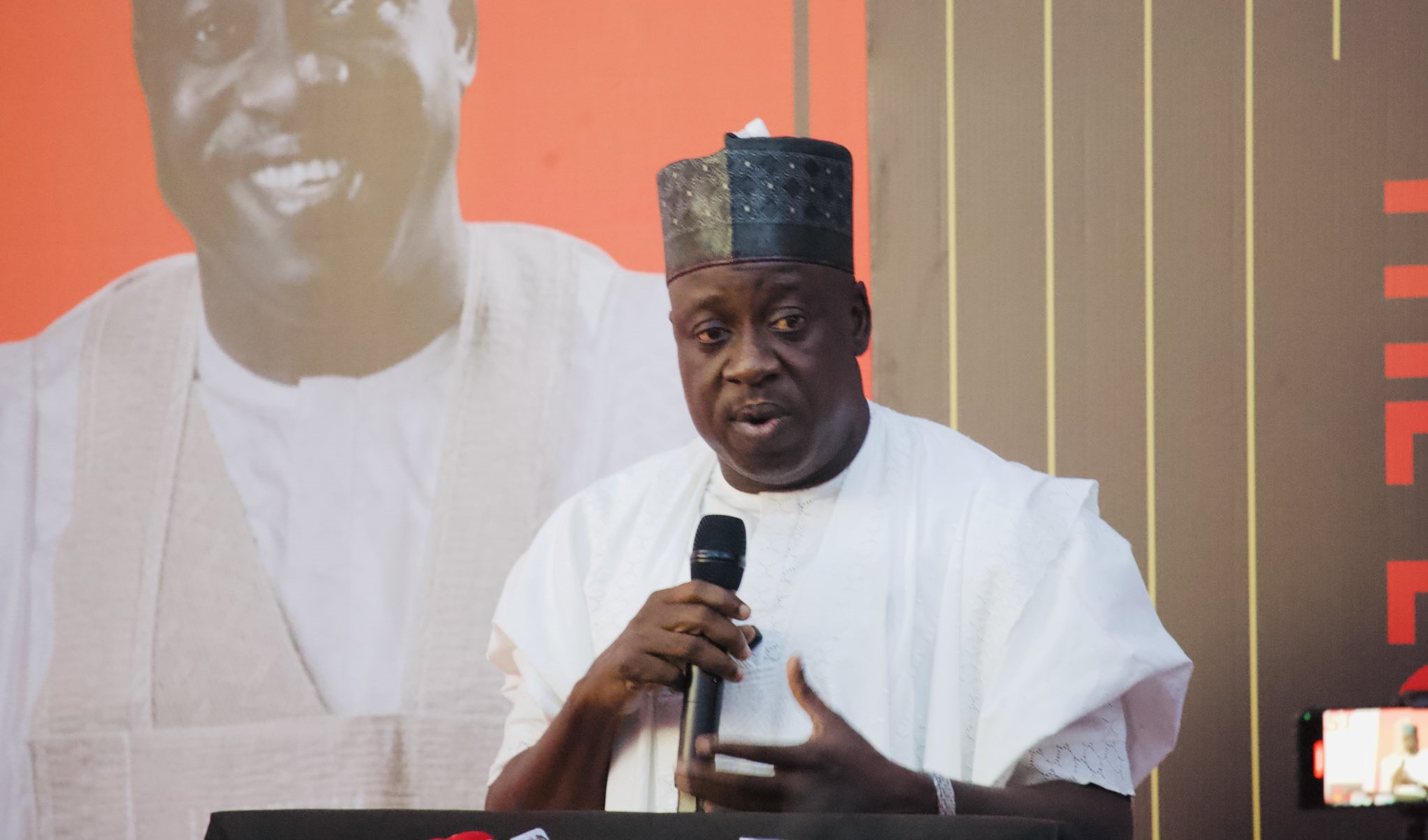
PSN President, Ayuba Tanko, stated this at the opening ceremony of the society’s ongoing 99th Annual National Conference, themed “IJELE 2026,” held at the International Convention Centre, Awka, Anambra State.
He acknowledged that the proposed National Group Purchasing Organisation was intended to reduce the cost of essential medicines, prevent stock-outs, promote transparent procurement and support local pharmaceutical manufacturers.
However, he said the implementation of the arrangement had generated concerns over its compliance with the Public Procurement Act 2007, the PCN Act 2022 and the National Health Act 2014.
Tanko argued that drugs were not ordinary commodities and that the government must retain direct control over their procurement, storage, distribution and dispensing, especially controlled medicines.
He said, “A model that hands the supply chain of all public facilities in Nigeria to a private company runs counter to that intent.”
The Federal Ministry of Health and Social Welfare and Medipool Nigeria Limited had earlier formalised a Service Level Agreement to strengthen coordination and governance within Nigeria’s medicine procurement and supply chain systems.
The agreement was part of ongoing efforts to improve efficiency and alignment in the sourcing and distribution of essential medicines nationwide.
Continuing, the PSN president warned that placing a private company between the government and pharmaceutical regulators could compromise the existing relationship and cooperation required to monitor drug distribution and enforce regulations.
He said government agencies currently worked together through joint inspections, information sharing, enforcement and accountability for controlled medicines.
Tanko added that a private concessionaire could not automatically enjoy the cooperation and goodwill that regulatory agencies extended to government-owned health institutions.
He also raised concerns about Medipool’s regulatory status, stating that the company was registered as a retail pharmacy in Nigeria and had no verifiable experience as a distributor or mega-wholesaler of medicines.
He said the Federal Ministry of Health should have confirmed with the PCN that the company possessed valid premises registration as a wholesaler or distributor before engaging it.
The PSN president further questioned the absence of clear provisions in agreements with Medipool making the company liable for counterfeit products supplied by third parties.
Citing the scale of the counterfeit medicine challenge, he said NAFDAC destroyed fake and substandard products worth about N1.5 trillion between June 2025 and June 2026 and secured 64 convictions.
He also recalled that regulators sealed 3,027 shops, warehouses and stores during raids at Idumota, Lagos, in February 2025.
“Drug quality should remain in public hands, under pharmacists accountable to the government, and should not be handed to a private concern,” Tanko said.
He stressed that the society was not opposed to the group purchasing organisation concept but was concerned about the structure and legality of the proposed arrangement.
He noted that group purchasing organisations in countries such as Kenya, South Africa, Singapore and Saudi Arabia were benchmarked in developing the Medipool proposal, but some successful models, including Kenya’s KEMSA, were public bodies established by law rather than private concessions.
The PSN recommended that the Federal Government fast-track the passage of the Federal Drug Revolving Fund and Drug Management Agency Bill to provide a legal framework for medicine procurement and distribution.
It proposed that the agency should serve as the central purchasing and supply platform, while Medipool’s involvement, if retained, should be limited to pooled price negotiations or framework supply arrangements selected competitively and on a non-exclusive basis.
The society also called for the government to retain custody of medicines through government pharmacists working with the PCN, NAFDAC and NDLEA, particularly in the handling of controlled medicines.
Tanko said, “Purchasing decisions, quality assurance, storage and dispensing, and above all the handling of controlled medicines, should remain with government pharmacists working in the Federal Civil Service.”
.. “Drug Quality Should Remain In Public Hands” — PSN Opposes Medipool Control Of Public Medicine Supply Chain … NewsNGR.


Tomi Falade leads Nigerian writers to 2026 Helsinki Book Fair

“Drug Quality Should Remain In Public Hands” — PSN Opposes Medipool Control Of Public Medicine Supply Chain

Awesome Empowerment Foundation set to graduate pioneer cohort of Fortitude Scheme

2027 Politics Watch: From Atiku’s Sokoto rally to Obi’s convoy attack

“Was El-Rufai’s Family Lawfully Denied Access?” — Court Reviews CCTV Footage, Reserves Judgment In ₦10bn Suit Against ICPC

“NERC Fines YEDC ₦2.8m Over Electricity Consumers’ Complaints” — Forum Orders Full Compliance

FG welcomes GIGM’s expansion into digital mobility, urges reliable services

“Road Failures Are Effects Of Natural Disasters” — Soludo Blames Flooding, Underground Water For Damaged Anambra Roads

INVESTIGATION: How Anthony Kila falsified all his academic qualifications – from Bachelor’s to Doctorate

Customer Service Week: Inside How Jumia Is Using Technology To Go The Extra Mile For Shoppers

Google opens AI-content detector to enable verification

Kayefi headlines Tales & Tunes as ID Cabasa leads music direction in Sheffield

How Houthi military aggression in Red Sea threatens Africa

Ogaga Ifowodo wins $100,000 Nigeria Prize for Literature

How Lagos Families Are Allegedly Buying Contaminated Meat In Dirty Conditions At Mushin, Oshodi, Mile 12, Surulere Markets

UK migrant workers wear chains, sing Asa’s ‘Jailer’ to protest proposed visa reforms
-

 Business6 days ago
“User Funds Are Completely Safe” — Binance Investigates Suspected $6.3 Billion Hack, Suspends Deposits And Withdrawals
-
Special Reports7 days ago
Jumia Nigeria Unveils ‘No Manage Am’ Black Friday 2026 Campaign With Up To 60% Off
-
Top Stories7 days ago
Actress Doris Ogala Remanded for cyberstalking Lagos Pastor
-

 News7 days ago
Troops Neutralise 44 Terrorists In Borno, Disrupt IED Attack
-
News6 days ago
“We Will Continue To Pursue Hall” — US Offers $5,000 Reward For Nigerian Woman Who Failed To Report To Prison
-
Special Reports7 days ago
UPDATED: Court sacks Uzodimma as APC’s Imo West senatorial candidate, orders INEC to recognise Okorocha
-

 Special Reports1 day ago
ADC warns Sokoto govt, vows to hold governor responsible for intimidation, violence against opposition
-
Top Stories6 days ago
“Ebola Outbreak Is Not Yet Under Control” — Africa CDC Warns As Confirmed Cases Exceed 10,200, Death Toll Surpasses 5,000