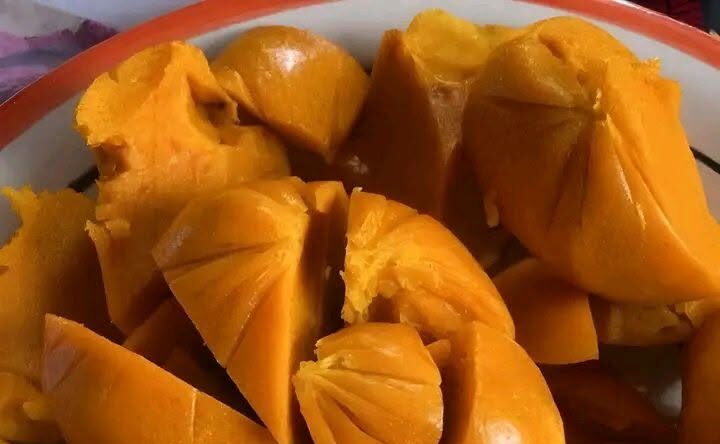
Nwachukwu said Okpa, made from Bambara nut, naturally contained appreciable amounts of protein, fat, carbohydrates and essential minerals such as iron and zinc.
The Enugu State Government and a dietician have warned against using adulterated oil and non-food colourants in preparing Okpa, a popular local delicacy in the state.
The Enugu State Commissioner for Health, George Ugwu, said health information should be based on verified scientific evidence rather than sensational claims.
Ugwu, a professor, said the state has continued to address kidney-related health challenges, noting that several factors, including indiscriminate use of herbal medications, could contribute to renal problems.
He urged residents to seek medical advice from qualified health professionals and avoid unverified claims about foods and diseases.
The commissioner advised residents to return to natural methods of preparing traditional foods, including using locally produced palm oil for Okpa.
Ugwu said the government was concerned about the quality and safety of the food residents consume, warning against introducing harmful substances into otherwise nutritious foods.
On colourants in Okpa, he said only substances approved for food consumption should be used.
“If you want to add paint to what you are eating, is that food? No.”
He called on agencies responsible for regulating food products to intensify monitoring and ensure that residents consume safe, wholesome food.
The commissioner also advised residents to eat balanced diets, exercise regularly, avoid excessive alcohol consumption and take health checks seriously.
He said the Ministry of Health would continue to work with medical specialists and the media to provide the public with accurate information on kidney disease and other health conditions.
Also speaking, a dietician, Chioma Nwachukwu, deputy director, Nutrition and Dietetics, University of Nigeria Teaching Hospital, Enugu, debunked claims that Okpa itself caused kidney disease, describing it as a nutritious and healthy food.
LolNwachukwu said Okpa, made from Bambara nut, naturally contains appreciable amounts of protein, fat, carbohydrates and essential minerals such as iron and zinc.
According to her, its carbohydrate content has a low-to-medium glycaemic index, making it suitable for many people.
The dietician, however, warned that problems could arise from adulteration during preparation, particularly through the use of unapproved food colourants, adulterated cooking oil and inappropriate packaging materials.
She said some sellers added non-food colourants to make Okpa appear more attractive and reddish, while others used adulterated oil.
Nwachukwu said such substances could harm the body, including placing additional stress on the kidneys and liver.
She also advised consumers to be cautious about Okpa prepared in heated nylon or cellophane, explaining that chemicals from certain packaging materials can migrate into food when exposed to heat.
She recommended safer traditional alternatives, such as plantain and banana leaves, for wrapping and steaming Okpa.
“Not the Okpa itself. The problem is with some of the things people add to it or use in preparing it, including adulterated oil, colourants and heated nylon,” she said.
She noted that people already living with kidney disease were a different category, stressing that such patients required personalised dietary advice from a dietician.
According to her, patients with kidney problems may need to have their protein intake carefully measured because their kidneys may not adequately handle excessive waste products.
She further advised people with hypertension and other conditions that could increase the risk of kidney disease to be particularly careful about what they consume.
Nwachukwu urged the public to seek accurate nutrition information and avoid spreading claims that could wrongly discourage people from eating nutritious traditional foods.
She also called for greater public sensitisation on the dangers of adulterated food ingredients and unsafe food preparation practices.
An Okpa seller, Nkechi Ugwu, also dismissed claims that the delicacy caused diseases, saying she had been selling Okpa since her youth and prepared hers with red oil and pepper without artificial colourants.
She explained that colourants made Okpa appear deep red, while naturally prepared Okpa was usually lighter in colour.