Special Reports
Group sensitises PWDs on voting, warns against vote buying

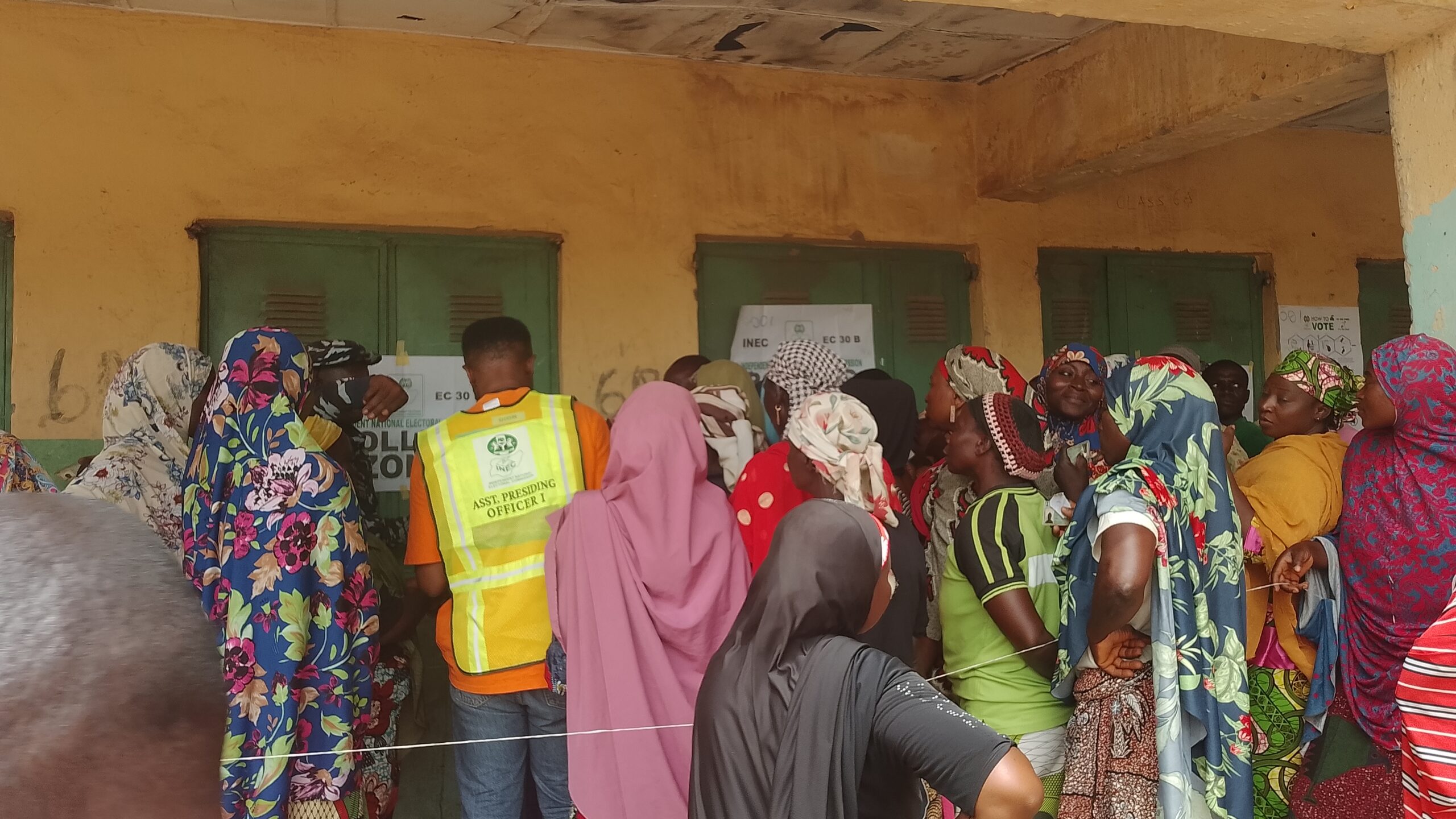
According to the INEC, 232,658 persons with disabilities (PWDs) were registered voters, representing approximately 0.23 per cent of Nigeria’s 103,428,715 registered voters for the 2027 general elections
TAF Africa has sensitised persons with disabilities (PWDs) in the Federal Capital Territory (FCT) on their participation in the forthcoming elections, urging them to resist vote buying and demanding greater political commitment to disability inclusion.
According to the INEC, 232,658 persons with disabilities (PWDs) were registered voters, representing approximately 0.23 per cent of Nigeria’s 103,428,715 registered voters for the 2027 general elections.
The electoral commission has also listed plans to increase PWD participation in the elections, including adopting disability-inclusive election security protocols, training security personnel on disability rights, improving coordination among election security agencies, and establishing accessible channels for reporting incidents involving voters with disabilities.
The Programme Manager at TAF Africa, Andrew Adaji, said the organisation was rounding off the exercise in the FCT after taking it to several communities across the country.
Mr Adaji said other members of the organisation’s team were also conducting sensitisation exercises in Karu and Gwagwalada.
“We are moving around several communities in the FCT. We have been to Kuje and Nyanya. We are currently here in Karu Mararaba,” he said.
He said the organisation had identified communities of persons with disabilities and was educating them on what to expect during the forthcoming elections.
According to him, participation by persons with disabilities increased during previous elections, particularly off-cycle elections, following sensitisation efforts and measures introduced by INEC.
He cited the provision of assistive devices, including Braille ballot papers, ballot guides, and magnifying glasses, as measures that have helped improve participation.
Mr Adaji said although TAF Africa supported INEC with sign language interpreters during elections in Osun, Ekiti and Anambra states, the organisation would not be able to do so for the 2027 elections because of the wider geographical scope.
He said TAF Africa was discussing with INEC and the Sign Language Interpreters Association of Nigeria to encourage the commission to engage sign language interpreters as ad hoc staff at polling units where voters with hearing impairments are present.
“Where they have three ad hoc staff, one of them can be a sign language interpreter so that when they communicate, that person can interpret,” he said.
Mr Adaji said the provision of interpreters had increased participation among voters with hearing impairments in the three states, although each state had only 25 interpreters.
He expressed hope that the proposed arrangement with INEC would make more interpreters available during the forthcoming elections.
Also speaking at the sensitisation event, Secretary to the Emir of Persons with Disabilities in the FCT, Muhammad Danjani, described the sensitisation exercise as timely, saying it would help educate persons with disabilities about electoral processes and government programmes designed for them.
Mr Danjani said the exercise was particularly important to communities with polling units, as it would help residents understand their rights and make informed decisions during elections.
He warned that politicians often exploit the economic hardship facing vulnerable communities to induce voters with money during election periods.
He urged persons with disabilities not to sell their votes but to elect candidates who would protect their interests and ensure their inclusion in governance.
“We don’t elect parties; we elect people. Somebody good, that’s where we go,” he said.
Mr Danjani said political parties seeking the support of persons with disabilities should explain what they intended to do for the community if elected into government.
He called for more accessible public infrastructure, including markets, hospitals and banks, noting that while some schools and vocational training centres had ramps, many public facilities remained inaccessible.
“We want that in the market, in the hospital and in the banks. Let us be cared for,” he said.
He added that persons with disabilities needed leaders who would recognise their needs and speak up for those unable to speak for themselves.
“Anytime a physically challenged person is being cared for, that is the time when Nigeria will be great,” he said.


Super Falcons camp bubbles as Nnadozie, Oshoala, Alozie arrive for Algeria friendlies

Group sensitises PWDs on voting, warns against vote buying

Man, 51, Got N300,000 To Hide Defilement Of 13-Year-Old Cousin

PANDEF opposes 20% cut from local content fund for new research agency

2027 Polls: Obi, Makinde, Dino join Dunamis Church at all-night prayer

“Without Peace, There Will Be No Country, No Election” — Abdulsalami Warns Against Political Violence Ahead Of 2027 Polls

Soldiers’ Welfare Critical To Winning War Against Insecurity— Army Chief

“Commercial Dispute Is Not Evidence Of Crime” — Broron Vice Chairman Ojogho Denies Threatening FirstBank MD, Demands Impartial Investigation
Jumia Nigeria Unveils ‘No Manage Am’ Black Friday 2026 Campaign With Up To 60% Off
“User Funds Are Completely Safe” — Binance Investigates Suspected $6.3 Billion Hack, Suspends Deposits And Withdrawals
Abuja court to rule on joinder application in Pantami-PDP suit

“Airlines Increase Seat Availability But Do Not Necessarily Reduce Airfare” — Christmas Return Tickets Hit ₦822,000 As Carriers Expand Flights Across Nigeria
Troops Neutralise 44 Terrorists In Borno, Disrupt IED Attack
MTN plans large data centre in Nigeria
How A 22-year Old’s Phone Video Led To Arrest Of 4 Police Officers In Ikorodu
Actress Doris Ogala Remanded for cyberstalking Lagos Pastor

 Business4 days ago
“Airlines Increase Seat Availability But Do Not Necessarily Reduce Airfare” — Christmas Return Tickets Hit ₦822,000 As Carriers Expand Flights Across Nigeria
- Top Stories5 days ago
“1,571 Tractors Deployed To 23 States” — APC PCC Lists Agriculture Interventions As Tinubu Approves ₦1.5tn BOA Recapitalisation
- Special Reports3 days ago
Zamfara Govt Suspends Campaign In Maru LGA Following Fatal Accident In Gummi
- News3 days ago
NAFDAC Threatens Prosecution Over Illegal Pharmacy Raids In Edo
- News5 days ago
One Dead As Fire Guts Lagos Filling Station
- Top Stories5 days ago
“We Are Examining The Video” — Daura Emirate Launches Probe Into Tourist’s Sexual Assault Allegations Against Emir Faruk Umar Faruk
 Politics3 days ago
ADC Demands Tinubu’s Impeachment Over Gov Yusuf’s S’Court Revelation
- Special Reports3 days ago
Alleged ₦110.4b Kogi Fraud: Witness Narrates How Kogi LGs Repaid N2.1bn Loan for Bello’s Children School Fees