Special Reports
Houthi strike on Riyadh Airport kills 12, injures 309 as Saudi Arabia vows retaliation


Saudi Arabia’s General Authority of Civil Aviation said the fatalities included four Saudi nationals, two Bangladeshis and one citizen each from the United States, Egypt, Jordan, Syria, Palestine and Sudan.
A missile strike on King Khalid International Airport in Riyadh, Saudi Arabia, killed 12 people and injured 309 others, prompting the Saudi-led coalition to threaten a decisive response against Yemen’s Ansar Allah rebels (popularly called the Houthis) amid escalating regional tensions.
The Saudi-led coalition blamed the Iran-backed Houthis for the attack, describing it as a “full-fledged war crime” because of the deaths and injuries among civilian passengers and airport personnel.
The strike comes amid renewed fighting between the Houthis and forces loyal to Yemen’s internationally recognised government, which is backed by Saudi Arabia. The escalation has heightened concerns about a wider regional conflict, particularly after US President Donald Trump indicated that Washington could consider joining military action against the group.
Witnesses described scenes of panic at the airport following the strike, with passengers running for safety as people were injured.
One passenger told AFP that they were at Gate 403 when the adjacent Gate 401 area was hit.
“I saw 401 hit, I saw injured in front of my eyes. Everyone was running,” the witness said.
Saudi Arabia’s General Authority of Civil Aviation said the fatalities included four Saudi nationals, two Bangladeshis and one citizen each from the United States, Egypt, Jordan, Syria, Palestine and Sudan.
Airport operations were suspended following the incident, while authorities began assessing the damage.
The scale of the casualties also prompted health officials to mobilise additional medical personnel to respond to what a medical source described as a serious emergency.
Two doctors told AFP that some of the injured were pilgrims travelling to Mecca.
Following the attack, the Houthis renewed their warning to airlines, airport workers and travellers against using Saudi airports.
The group urged those concerned to take its warning seriously and said Saudi Arabia bore responsibility for what it described as failed interception efforts.
The warning signals the possibility of further attacks on Saudi aviation infrastructure as hostilities intensify between the group and Saudi-backed Yemeni forces.
The renewed violence follows the breakdown of a United Nations-brokered truce that had helped keep large-scale fighting largely contained since 2022.
The latest developments threaten to undermine diplomatic efforts to end Yemen’s prolonged conflict, which has caused widespread displacement and a severe humanitarian crisis.
The Saudi-led coalition has vowed a decisive response to the airport attack, raising the prospect of further military operations against Houthi positions in Yemen.
Dania Thafer, executive director of the Gulf International Forum, said Saudi Arabia would likely respond forcefully but suggested that Riyadh would prefer to avoid a prolonged escalation.
She said the Houthis’ actions posed challenges not only to Saudi national security but also to international maritime security.
The conflict, she argued, had expanded beyond a series of retaliatory attacks, with implications for regional stability and international shipping.
Saudi Arabia has previously led a military coalition against the Houthis, intervening in Yemen’s civil war in March 2015 in support of the internationally recognised government.
The attack has also raised questions about the extent of possible US involvement in the conflict.
US President Donald Trump said on Saturday that Washington was considering whether to join military action against the Houthis.
“We may. We’re going to look at it,” he told reporters.
The US president also said he intended to speak with Saudi Crown Prince Mohammed bin Salman, describing the airport attack as “not acceptable”.
According to media reports cited in the coverage, the United States has provided intelligence-sharing, target-identification and planning assistance for the latest Saudi-backed offensive.
Washington previously supported the Saudi-led campaign in Yemen with intelligence, logistical assistance and weapons, although it did not directly participate in the coalition’s air strikes during the initial intervention.
In 2021, however, the administration of former US President Joe Biden ended support for the Saudi-led offensive, citing the devastating humanitarian consequences of the war.
The airport strike underscores the risk that renewed fighting in Yemen could develop into a broader confrontation involving regional and international powers.
The Houthis have maintained their opposition to the Saudi-backed Yemeni government and have repeatedly threatened targets they consider linked to their adversaries.


2027: Nigerian governor urges residents to reject election-season promises by politicians
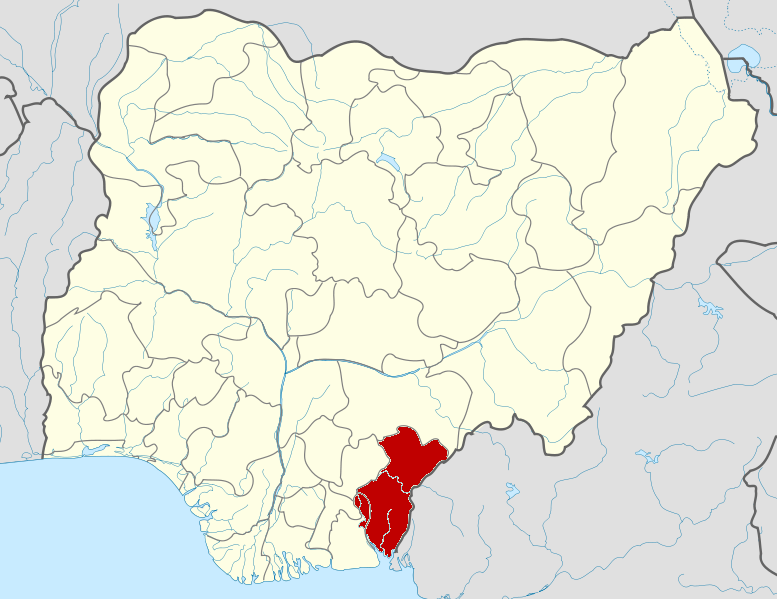
2027: 241 candidates jostle for 36 elective positions in Cross River

NPFL Roundup: Plateau United thrash Kano Pillars as Rangers cling to top spot

Houthi strike on Riyadh Airport kills 12, injures 309 as Saudi Arabia vows retaliation

CDS orders extension of aerial intelligence to troubled North-west, North-central theatres

Adeyanju Warns Wike Against Demolishing Amnesty International Office

Enugu govt condemns attack on NDC members

International Day of the Girl Child Obiageli “Oby” Ezekwesili

Holy Moses: How CBN Deputy Governor Emem Usoro As Side Chic Used Married Lover’s Sperm To Give Birth To Twins Through IVF After His Death

“They Requested September 22 But Failed To Appear” — Reps Issue Final Summons To FCT Area Council Officials Over ₦100bn Audit Queries

Customer Service Week: Inside How Jumia Is Using Technology To Go The Extra Mile For Shoppers

Salary arrears: SSANU gives Nigerian govt 14-day ultimatum, threatens indefinite strike

How Emeka Woke’s NOSDRA Paid N229.75 Million To Three Companies In One Day For The Same Contract Including An Inactive Company And A Firm That Does Not Exist On CAC Records

How Houthi military aggression in Red Sea threatens Africa

“Enforce The Supreme Court Judgment” —“Use Only The Register Submitted To INEC” — APC Demands Compliance With Supreme Court Verdict Ahead Of 2027

Google opens AI-content detector to enable verification

 Special Reports4 days ago
Holy Moses: How CBN Deputy Governor Emem Usoro As Side Chic Used Married Lover’s Sperm To Give Birth To Twins Through IVF After His Death
 Politics5 days ago
“They Requested September 22 But Failed To Appear” — Reps Issue Final Summons To FCT Area Council Officials Over ₦100bn Audit Queries

 Special Reports2 days ago
Customer Service Week: Inside How Jumia Is Using Technology To Go The Extra Mile For Shoppers
- News5 days ago
Salary arrears: SSANU gives Nigerian govt 14-day ultimatum, threatens indefinite strike
- Special Reports2 days ago
How Houthi military aggression in Red Sea threatens Africa
- Special Reports6 days ago
How Emeka Woke’s NOSDRA Paid N229.75 Million To Three Companies In One Day For The Same Contract Including An Inactive Company And A Firm That Does Not Exist On CAC Records
- News2 days ago
Google opens AI-content detector to enable verification
- Top Stories2 days ago
“Enforce The Supreme Court Judgment” —“Use Only The Register Submitted To INEC” — APC Demands Compliance With Supreme Court Verdict Ahead Of 2027


