For millions of Nigerians, the phrase “build wealth” often sounds unrealistic. With rising food prices, expensive transportation, unstable electricity, school fees, rent increases, and a weakening naira, many workers believe wealth creation is reserved for high-income earners, politicians, or successful business owners.
But financial experts say wealth is not always determined by how much a person earns. More often, it is shaped by habits, discipline, long-term planning, and the ability to make smart financial decisions consistently over time.
Across Nigeria today, many civil servants, junior bankers, teachers, freelancers, artisans, and small business owners are trying to survive on salaries that barely last through the month. Yet some individuals earning modest incomes still manage to save, invest, and gradually improve their financial position.
Building wealth on a small salary may be difficult, but it is not impossible.
One of the biggest misconceptions about money is that a high salary automatically means financial success. In reality, many high-income earners live from paycheck to paycheck because of poor financial habits and excessive spending.
Wealth is not simply about earning money; it is about keeping, growing, and protecting money over time.
A person earning N150,000 monthly who saves consistently, avoids debt, and invests wisely may become financially stable faster than someone earning N1m monthly but spending recklessly.
The first step towards wealth creation is therefore changing one’s mindset.
Rather than focusing only on increasing income, financial discipline must become a priority.
Many Nigerians do not operate a budget. Salaries come in and disappear within days because spending is often emotional rather than planned.
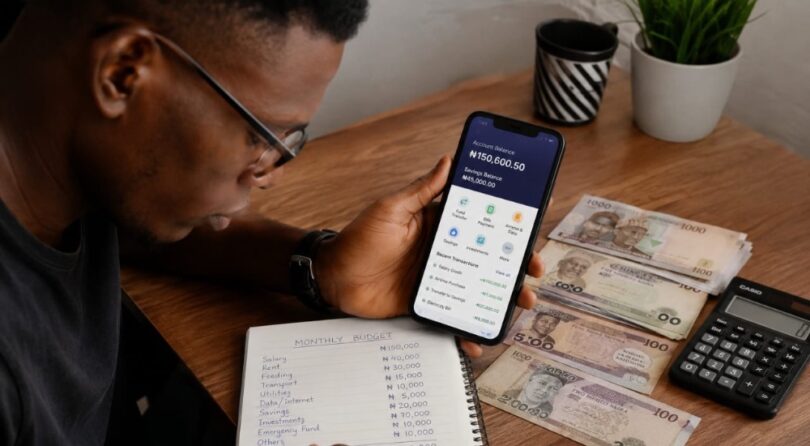
A budget helps individuals understand where their money is going and identify unnecessary expenses.
Financial advisers recommend dividing income into key categories such as feeding, transportation, rent, utility bills, savings, investments and emergency funds
Tracking expenses for even one month can reveal surprising spending habits.
Frequent online shopping, daily food deliveries, excessive data subscriptions, impulse purchases, betting, and regular social outings may appear small individually but can consume a large portion of income over time.
The goal of budgeting is not to make life miserable but to ensure spending aligns with financial priorities.
One of the most effective financial habits is paying yourself first. Many people save whatever remains after spending. Unfortunately, little or nothing is usually left. Instead, savings should be treated like a compulsory monthly bill.
Even if the amount is small, consistency matters more than size. Someone saving N10,000 monthly may feel insignificant initially, but over five years, excluding interest or returns, that amounts to N600,000.
Automated savings platforms and cooperative societies have also become increasingly popular in Nigeria because they reduce the temptation to spend impulsively.
Emergency savings are particularly important in Nigeria’s unpredictable economy. Medical emergencies, sudden rent increases, job losses, or family obligations can easily throw people into debt when there is no financial cushion.
Experts often advise keeping at least three to six months of living expenses as emergency funds.
One major reason many workers remain financially stagnant is lifestyle inflation. As salaries increase slightly, spending rises immediately. A new phone, expensive clothes, luxury apartments, frequent dining out, and social pressure often consume income that could have been invested.
Social media has worsened this problem. Many Nigerians now feel pressured to maintain appearances online even when financially struggling offline.
Building wealth sometimes requires delayed gratification. Not every salary increase should translate into a more expensive lifestyle.
Living below one’s means remains one of the strongest foundations of wealth creation.
In today’s Nigeria, relying on one source of income can be risky.
Inflation continues to reduce purchasing power, while job security has become increasingly uncertain.
This is why many financially stable individuals build additional income streams.
A secondary source of income does not necessarily require huge capital. Many Nigerians now earn extra money through freelancing, graphic design, writing, photography, fashion design, catering, hairdressing, mini importation, digital marketing, online tutoring, farming, POS business, and social media management
Some people also monetise skills through platforms like YouTube, TikTok, or online marketplaces.
The objective is not to overwork endlessly but to gradually increase income capacity.
In many cases, small side businesses eventually grow into major income sources.
Saving money alone is not enough because inflation gradually reduces the value of cash. Investment allows money to grow over time.
Contrary to popular belief, investing is not reserved for wealthy people.
Today, Nigerians can start investing with relatively small amounts through treasury bills, mutual funds, fixed-income products, cooperative investments, agricultural investments, stocks and real estate cooperatives
Young workers who begin investing early often benefit from long-term growth and compounding returns.