PROSPER OKOYE
The Network Against Child Trafficking, Abuse and Labour, NACTAL, has commenced strategic talks with Voices Unchained Trafficking Survivor Initiative to strengthen joint efforts against human trafficking in Nigeria.
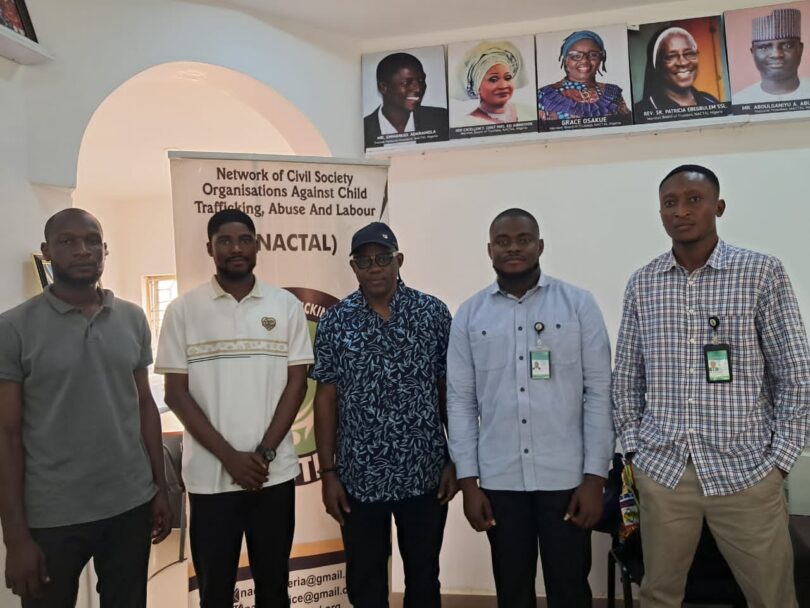
The engagement meeting was held on Friday at the NACTAL National Secretariat in Abuja. The focus was on building stronger collaboration between civil society and survivor-led groups to improve advocacy, prevention and victim support services nationwide.
NACTAL National Secretary and Head of Programmes, Osita Osemene, received the delegation. He briefed them on the network’s mandate, organisational structure and current programmes aimed at tackling child trafficking, abuse and forced labour across the country.
Osemene explained that NACTAL is working to ensure that survivors are not only beneficiaries of interventions but are also actively involved in designing policies and programmes that affect them directly.
Representatives of Voices Unchained Trafficking Survivor Initiative said the organisation is driven by persons with lived experiences of trafficking. They stated that their work prioritises safe and regular migration education, awareness of trafficking risks, and support for the reintegration of returnees.
The group said it also runs rehabilitation programmes and community engagement projects aimed at empowering survivors to rebuild their lives and become advocates in their communities.
According to the representatives, including survivor voices in public awareness campaigns can make prevention messages more relatable and effective. They noted that real stories help communities to better understand recruitment tactics and warning signs used by traffickers.
Osemene in response pledged NACTAL’s support for the institutional development of the survivor-led organisation. He said that the support would cover mentorship, capacity building and technical assistance to help the group operate with credibility and sustainability.
He stressed that strong leadership structures, transparent systems and strategic partnerships are necessary for survivor organisations to achieve long-term impact in Nigeria’s anti-trafficking space.
Both organisations agreed to continue discussions and develop a framework for joint activities. The planned collaboration will cover advocacy campaigns, community sensitisation, policy engagement and programmes that promote safe migration.
Stakeholders at the meeting said placing survivors at the centre of anti-trafficking responses improves trust, increases reporting and makes interventions more practical.
Experts note that globally, survivor-led approaches have been recognised as effective tools for prevention, rehabilitation and policy development in the fight against human trafficking.