Many Nigerians, including human rights activists, have raised concerns about the case, questioning whether the military’s actions complied with legal standards governing the arrest and detention of civilians.
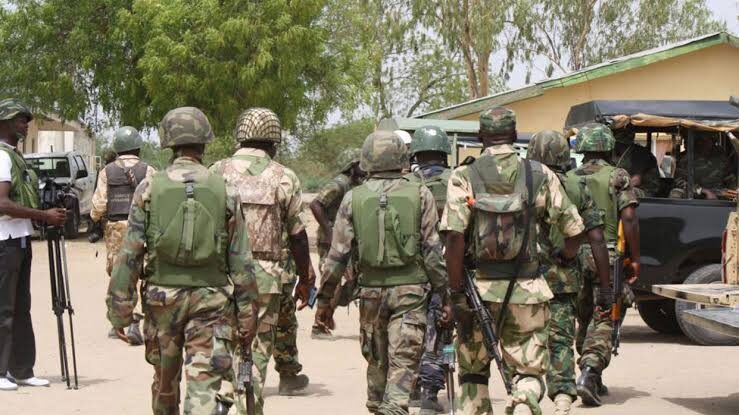
The Nigerian Army has defended the arrest of a social media influencer and activist, Justice Chidiebere, popularly known as “Justice Crack,” stating that he is being investigated over alleged attempts to incite discontent among soldiers.
According to the army, preliminary findings suggest that Mr Chidiebere engaged soldiers in discussions that “bordered on subversion,” including conversations that allegedly encouraged dissatisfaction within the ranks.
“It is important to state that a situation where civilians cultivate vulnerable personnel towards acts of subversion has far-reaching implications on discipline and national security,” Ms Anele said.
The army spokesperson added that Mr Chidiebere was detained alongside the soldiers involved and is now in the custody of civil authorities for further investigation and possible prosecution. The soldiers, she said, remain under military custody.
However, the army’s account contrasts sharply with allegations published by Sahara Reporters, which reported that the activist was subjected to severe abuse while in military custody.
Citing sources familiar with the incident, the outlet reported that Mr Chidiebere was allegedly abducted by soldiers, chained to a tree, and held for up to 72 hours following his interactions with personnel who had complained about poor feeding and welfare conditions. He was later handed over to the State Security Service, the platform reported.
The outlet further reported that the activist’s engagement with soldiers was part of his routine online advocacy, where he amplifies grievances of security personnel and civilians.
Many Nigerians, including human rights activists, have raised concerns about the case, questioning whether the military’s actions complied with legal standards governing the arrest and detention of civilians. They argue that even where allegations of misconduct exist, suspects should be treated in accordance with the law and not subjected to degrading treatment.
“This is very shameful and irresponsible of the Nigerian Army,” Inibehe Effiong, a human rights lawyer, posted on X.
Noting that the army should have addressed the concerns of soldiers’ welfare raised by the activist, Mr Effiong said there was no justification for arresting him. He described the arrest as the “height of impunity and lawlessness.”
“If you believed that he committed any crime, you should have reported him to civil authorities,” the lawyer added. “You arrested a civilian, detained him beyond 24 hours and kept mute until Nigerians exposed the fact that he is in your custody.”
The army, however, maintained that it acted within legal bounds and reiterated its commitment to the rule of law.
“We will continue to act within the ambit of the law in safeguarding our sovereignty,” the army spokesperson said.
As of the time of filing this report, there has been no official response from Mr Chidiebere or his legal representatives. It also remains unclear what specific charges, if any, may be filed against him by civil authorities.