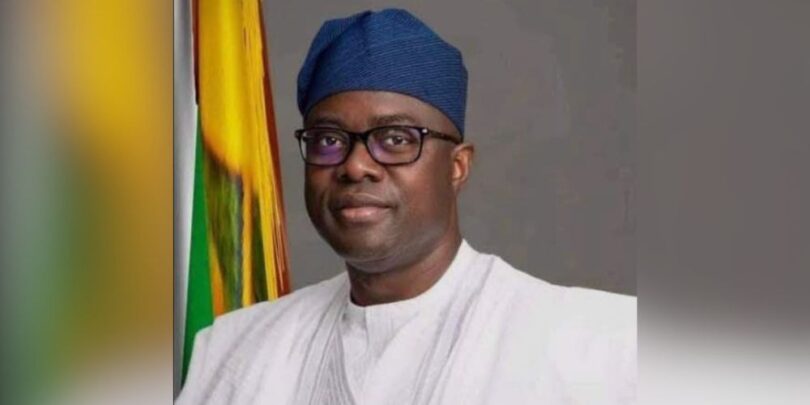
Oyo State Governor, Seyi Makinde, has said Nigerians should not be made to pay more for petrol simply to address the price difference that makes smuggling into neighbouring countries profitable.
Makinde made the submission in the September 2026 edition of his newsletter, The Business of Governance, where he questioned Nigeria’s approach to petroleum pricing and the long-running debate over fuel subsidy.
The governor argued that the petroleum pricing debate should go beyond whether the subsidy should be removed or restored, saying Nigeria must determine the appropriate pricing framework for an oil-producing country.
According to him, Nigerians should have access to clear information on the factors used to determine petrol prices, including crude oil price benchmarks, refining costs and margins, exchange-rate assumptions, logistics and distribution costs, taxes and levies.
Makinde said such information should be publicly available to enable Nigerians to interrogate the basis of petrol prices and compare them with available alternatives.
“We should also reject the argument that Nigerians must pay more for petroleum products simply to eliminate the price difference that makes smuggling into neighbouring countries profitable,”he said.
“Nigerians should not be made to bear the cost of government’s inability to secure its borders.”
Makinde said Nigeria’s challenges go beyond the individuals occupying public offices, arguing that the country must address the systems, institutions and structures responsible for repeatedly producing poor outcomes.
He said his proposed “Reset Nigeria” movement was aimed at rebuilding the country’s systems and institutions to make them work for every Nigerian.
The governor said the initiative would also examine Nigeria’s economy, security architecture, education system, institutions and social and political order.
Makinde added that a national reset would require accountable leadership and active citizenship, stressing that transforming the country would not be an instant process or the work of one individual.
He said he would present his alternative to the current petroleum pricing framework in the coming weeks and allow Nigerians to assess it.
“Reset Nigeria means being willing to interrogate the system itself,” Makinde said.
“The petroleum question should therefore not simply be whether subsidy should return or remain removed. It should be whether the pricing system we are using is the right one for Nigeria and whether it allows Nigerians to derive a fair benefit from the natural resources they own.”