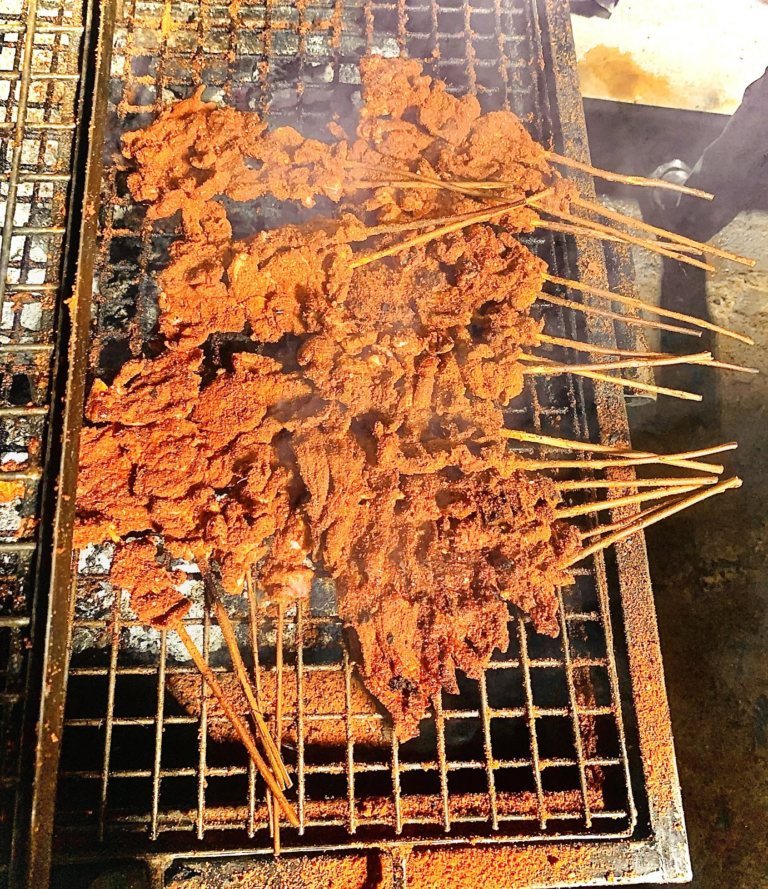
Suya, traditionally known as ‘tsire’ among the Hausa people of northern Nigeria, is believed to have originated in the region before spreading across the country and beyond.
For many Nigerians, suya is more than just a roadside delicacy. From city streets to neighbourhood joints, the spicy grilled meat remains one of the country’s most popular ready-to-eat foods.
It is typically prepared from thin slices of beef, although chicken, ram and other meats are also used. The meat is coated in yaji,a traditional Hausa spice blend usually made from chilli pepper and other spices, before being grilled over charcoal.
Praised for its distinctive smoky flavour, affordability and convenience, suya has become a staple of Nigeria’s food culture. But while it offers important nutritional benefits, experts say factors such as poor hygiene, excessive salt, fatty cuts of meat and frequent consumption could pose health risks.
Speaking with PT Health Watch, Allen Luca, a doctor and a medical e3s3eofficer at the National Primary Health Care Development Agency (NPHCDA), Kaduna State, said suya can be enjoyed safely as part of a healthy diet provided consumers pay attention to moderation, hygiene and how the meat is prepared.
Prepared with lean meat, suya provides several nutrients the body needs to function properly.
Animal-source foods such as beef and chicken are excellent sources of high-quality protein, providing all the essential amino acids required for growth, tissue repair and muscle maintenance.
Beef also supplies important nutrients such as iron, zinc and vitamin B12, which help support immune function, healthy blood formation, brain function and oxygen transport throughout the body.
Mr Luca said these nutritional qualities make suya more than just a popular street food.
He explained that lean cuts of beef or chicken provide quality protein for building and repairing body tissues while supplying iron to help prevent anemia, zinc to support immunity and B vitamins that contribute to energy production and normal body functions.
He added that yaji, the spice blend traditionally used in preparing suya, contains ingredients such as ginger, garlic and chilli peppers, which scientific studies have shown possess natural antioxidant and anti-inflammatory properties.
Although, he added, these ingredients contribute to overall dietary quality, they should complement, not replace, a balanced diet rich in fruits, vegetables and whole grains.
However, Mr Luca cautioned that these nutritional benefits can be reduced by unhealthy preparation practices.
He noted that many suya vendors use generous amounts of salt and seasoning cubes, while some prepare the meat with fatty cuts.
According to the World Health Organisation (WHO), excessive sodium intake is a major contributor to high blood pressure and increases the risk of heart disease and stroke. The organisation recommends that adults consume less than five grams of salt daily, roughly one teaspoon.
Foodborne diseases continue to pose a significant public health challenge globally.
The WHO estimates that about 866 million people fall ill every year after consuming contaminated food, resulting in approximately 1.5 million deaths worldwide.
Mr Luca said food safety is one of the biggest concerns associated with roadside suya.
According to him, consumers should avoid buying meat exposed to dust, flies and vehicle fumes. They should also watch for vendors who handle money and food without washing their hands, lack access to clean water for washing utensils and hands, fail to cook the meat thoroughly or leave prepared suya at room temperature for prolonged periods.
Warning signs of poor hygiene include flies hovering around the meat, dirty grills, knives and preparation surfaces, unpleasant odours, slimy or discoloured meat, and vendors using the same utensils to handle raw and cooked meat, increasing the risk of cross-contamination.
A study conducted in Nigeria has similarly detected bacteria in some roadside suya samples, highlighting the importance of proper food handling, storage and preparation throughout the supply chain.
To reduce the risk of food poisoning, Mr Luca recommended buying freshly prepared suya from vendors who maintain good hygiene and clean cooking environments.
Questions about whether grilled meat causes cancer have persisted for decades.
According to the International Agency for Research on Cancer (IARC), cooking meat at very high temperatures, especially over open flames or hot metal surfaces, can produce chemicals known as heterocyclic amines (HCAs) and polycyclic aromatic hydrocarbons (PAHs). Experimental studies suggest these compounds can damage DNA and have the potential to increase cancer risk after prolonged exposure.
Mr Luca said Nigerians should understand the evidence in its proper context.
He explained that scientific studies show heavily charred or burnt meat can produce harmful compounds during grilling. However, this does not mean eating suya occasionally causes cancer.
Rather, concern is greatest among people who regularly consume large amounts of heavily charred meat over many years, frequently eat the burnt portions or maintain diets low in fruits, vegetables and dietary fibre.
Instead of avoiding suya altogether, he advised consumers to cut away heavily burnt or blackened portions and maintain a balanced diet rich in fruits and vegetables, which are associated with a lower risk of many chronic diseases.
Although suya can be part of a healthy diet, Mr Luca said some people should exercise greater caution.
Children are more vulnerable to food poisoning because their immune systems are still developing, while older adults often experience more severe illness when infected with foodborne pathogens.