While many cars come and go, some continue to find consistent demand year after year.
This raises an important question: what makes certain cars outlast trends? The answer often lies not in technology or design, but in something deeper—the psychology of reliability.
Reliability as a Core Buying Trigger
For many buyers, especially in diverse and unpredictable driving conditions, reliability is not just a feature—it’s a necessity.
Reliability means:
● The car starts every day without fail
● It performs consistently across conditions
● It requires minimal unexpected maintenance
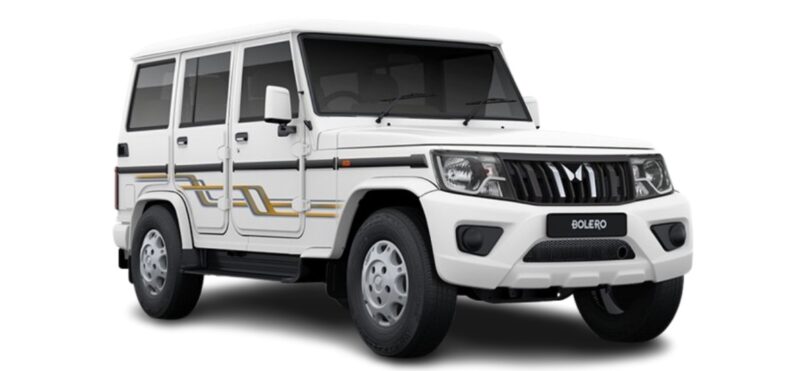
Vehicles like the Mahindra Bolero have built their reputation around these fundamentals. Instead of chasing trends, they focus on delivering consistent performance, which builds long-term trust among buyers.
Reliability is not established overnight. It is built on years of consistent performance.
When a vehicle proves itself repeatedly—across different terrains, usage patterns, and ownership cycles—it earns a reputation that goes beyond marketing. Buyers begin to associate the product with dependability.
This trust becomes a powerful psychological factor. People are more likely to choose a car they “know will work” rather than one that simply offers more features.
Car buying is a high-involvement decision, often involving a significant financial commitment. In such cases, buyers tend to avoid risk.
Familiar products feel safer. Vehicles that have been around for a long time create a sense of certainty:
● Known performance
● Proven durability
● Predictable ownership experience
The Mahindra Bolero, for example, continues to follow a straightforward design philosophy. Its high-strength, frame-based construction reinforces perceptions of durability and dependability.
This familiarity reduces decision anxiety and makes the buying process easier.
Another key aspect of reliability-driven buying is the prioritisation of function over features.
While modern cars focus on advanced infotainment systems and digital interfaces, reliability-focused buyers look for:
● Strong build quality
● Durable mechanical components
● Ease of repair and maintenance
The Bolero’s approach reflects this mindset. Even as it introduces modern updates like a touchscreen infotainment system and a digital cluster, its core focus remains on delivering dependable performance rather than feature overload.
In a country like India, driving conditions vary widely—from smooth highways to rough rural roads.
A reliable vehicle is expected to handle all these conditions without compromising performance. This is where simplicity and robust engineering play a crucial role.
Features like the Bolero’s RideFlo technology, which enhances stability and control across terrain, highlight how reliability is often tied to real-world usability rather than just specifications.
Buyer decisions are often influenced by past experiences.
If a customer—or someone in their network—has had a positive experience with a particular vehicle, it creates a strong bias towards that product. Over time, this leads to repeat purchases and strong brand loyalty.
This cycle reinforces the position of reliable vehicles in the market, allowing them to remain relevant even as newer alternatives emerge.
Modern car buyers often evaluate value based on features and pricing. However, reliability adds a different dimension to value.
A reliable car:
● Reduces maintenance costs
● Minimises downtime
● Provides peace of mind
These factors may not always be visible in specifications, but they play a crucial role in ownership satisfaction.
Reliability is not just practical—it is emotional.