Top Stories
“We Have To Improve Our Leadership To Deliver” — Obasanjo Blames Insecurity, Poverty, Joblessness For Deadly Migration


Former President Olusegun Obasanjo has called for urgent action to address insecurity, unemployment and poverty in Nigeria, warning that leadership failures and lack of economic opportunities are pushing citizens to seek better lives abroad, sometimes through dangerous migration routes where many lose their lives.
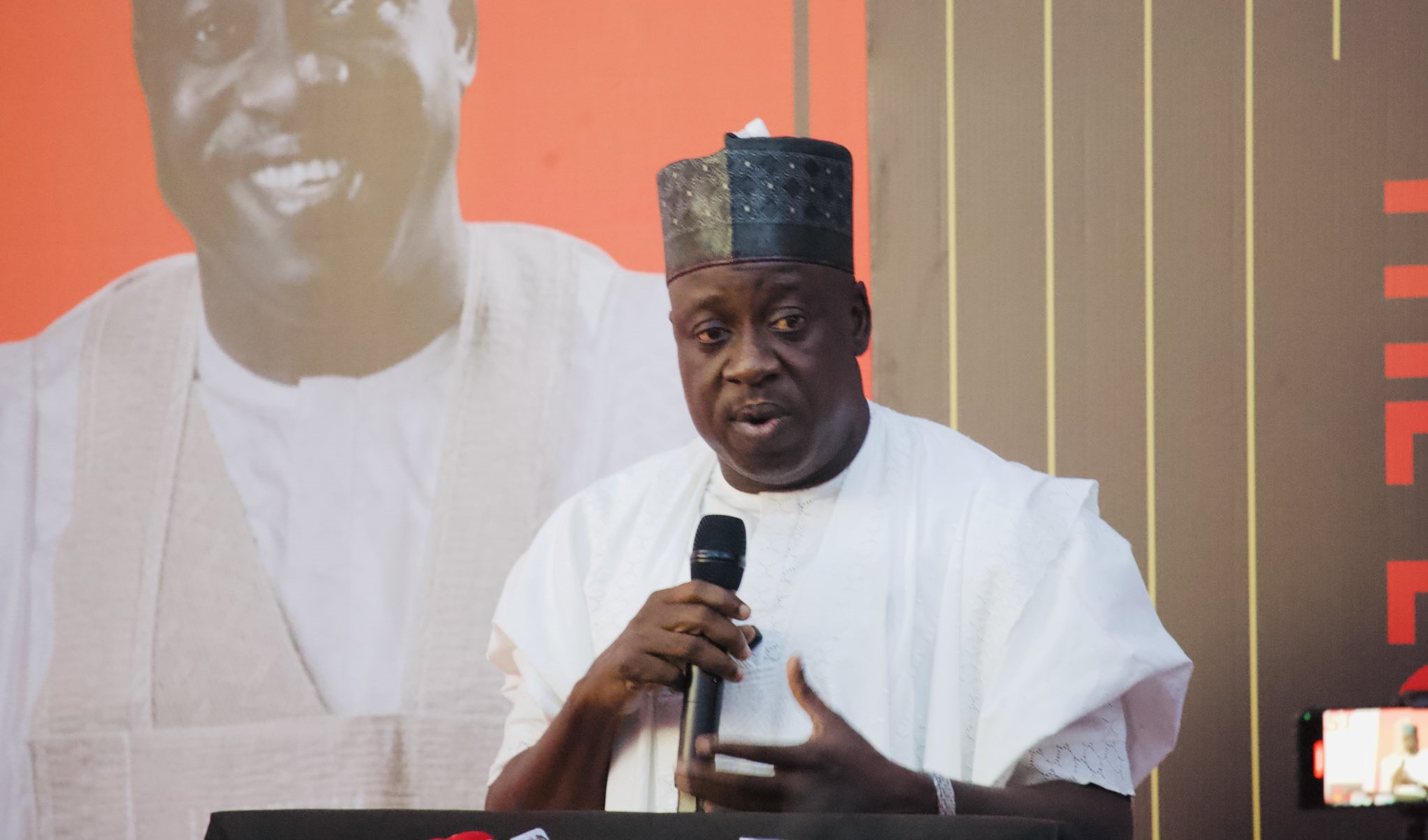
Obasanjo spoke on Saturday during a panel session themed “Lest We Forget” at the Creative Africa Nexus Weekend 2026, organised by the African Export-Import Bank in Lagos State.
Reflecting on Nigeria’s security situation since independence, the former president said the country must confront the governance failures responsible for worsening insecurity and declining economic opportunities.
“We just have to do what we should do to provide job opportunities, to stem the tide of impunity, to stem the tide of poverty, to stem the tide of kidnapping and insecurity,” he said.
Obasanjo recalled returning to Nigeria in 1959 after completing his military training in Britain, saying he could travel freely across the country at any time without fear of kidnapping or attacks.
“I came back to this country after my commission as an officer in Britain in 1959. And I could go anywhere; I was posted to the North; I could go anywhere in the North, by myself alone, by day, by night,” he said.
Comparing that period with the current security situation, Obasanjo questioned how the country had deteriorated to the point where people could no longer travel freely and safely in several areas.
“Now, if you can’t do that, what has gone wrong? We have to correct what has gone wrong,” he said.
The former president identified unemployment, particularly among university graduates, as another factor driving economic desperation and migration.
He argued that governments could not continue producing graduates without creating sufficient employment opportunities and still expect young people to remain in their countries when opportunities appeared unavailable.
Obasanjo recalled meeting Nigerians arrested for drug-related offences, saying one of them explained that he became involved in the illegal trade after losing legitimate employment.
He said the encounter illustrated how economic hardship could push otherwise productive people towards desperate decisions, although he did not justify involvement in criminal activities.
Turning to irregular migration, Obasanjo said he had interacted with Africans who attempted to reach Europe through the Sahara Desert and Mediterranean Sea and described their experiences as distressing.
“I have got those people who have attempted to cross, and the story they told me is pathetic. Some die in the Sahara, some die in the Mediterranean,” he said.
He maintained that better governance, security and economic opportunities would reduce the pressure on Africans to undertake dangerous journeys in search of a better life.
“We have to improve our leadership to deliver, and once our leadership delivers, what does any man want in the world?
“But if they have nothing here, they will look for whatever they can get anywhere else, and you can’t blame them,” he said.
Obasanjo also placed substantial responsibility for Africa’s development challenges on the continent’s political leadership.
“Africa is not where it should be, and that Africa is not where it should be is substantially the responsibility of our leaders. It’s as simple as that,” he said.
Beyond security and economic opportunities, the former president advocated greater freedom of movement across Africa.
He disclosed that he had held discussions with Ghanaian President John Mahama on a proposal under which about 25 African countries could eliminate visa requirements among themselves.
According to Obasanjo, the initiative could begin with countries already operating visa-on-arrival arrangements before being expanded across the continent if successful.
“These countries should eliminate visas among themselves, about 25 of them, and if they can do it successfully, then maybe in a matter of a few years, the whole of Africa will be able to move,” he said.
Obasanjo also criticised the limited recognition of the African passport and advocated automatic citizenship for people of African descent in the diaspora who wished to return to the continent and become nationals of African countries.
“I believe that all African states should have such a policy. That anybody from the diaspora who wants to be a national of any African country should automatically be given,” he said.
He further called for greater unity between Africans on the continent and people of African descent around the world, saying historical divisions should not prevent cooperation towards common prosperity.
Obasanjo maintained that African countries must strengthen leadership, expand economic opportunities and deepen continental integration to address the challenges confronting their people.
The panel session also featured former Prime Minister of St Vincent and the Grenadines, Dr Ralph Gonsalves, and Jamaican scholar Prof. Paulette Ramsay.
Their discussion examined African identity, slavery, colonialism, reparations and the need to strengthen connections between Africa and its diaspora.
The three speakers called for reparatory justice over the trans-Atlantic slave trade and colonialism, arguing that the historical exploitation of Africans continued to affect the continent’s development.
Ramsay, author of “Lest We Forget: Slavery, Slave Trade, Colonisation, Emancipation and Reparation,” commended Obasanjo for supporting the publication, which brought together scholars, policymakers and cultural experts to examine Africa’s historical experiences.
She argued that reparations should extend beyond monetary compensation to include the return of stolen artefacts, stronger protection of African cultural heritage and an end to the continuing exploitation of the continent’s natural resources.
“We must not remember with bitterness. We must teach younger generations that we remember the horrible things that were done, but we survived, and that’s the best part of the African story, that we survived,” Ramsay said.
.. “We Have To Improve Our Leadership To Deliver” — Obasanjo Blames Insecurity, Poverty, Joblessness For Deadly Migration … NewsNGR.


Zamfara Attack: Council chair says 12 family members killed

“We Have To Improve Our Leadership To Deliver” — Obasanjo Blames Insecurity, Poverty, Joblessness For Deadly Migration

EDITORIAL: Making the state police work

“Ugandan Woman Caught With 87 Wraps Of Cocaine After Church Visit” — NDLEA Intercepts ₦900m Opioids, Busts International Drug Syndicates

“I Helped Politicise Offa Robbery Just To Get At Saraki” — Popoola Admits, Says Allegations Were Used To Settle Political Scores

Rotary International Leads The Campaign For Peace in Nigeria And Globally Towards Development

The Atiku factor, By Wole Olaoye
Atiku, Tinubu, Justice Lifu and death of “Àà tií gbó̩?”, By Festus Adedayo

INVESTIGATION: How Anthony Kila falsified all his academic qualifications – from Bachelor’s to Doctorate

UK migrant workers wear chains, sing Asa’s ‘Jailer’ to protest proposed visa reforms

How Lagos Families Are Allegedly Buying Contaminated Meat In Dirty Conditions At Mushin, Oshodi, Mile 12, Surulere Markets

Ogaga Ifowodo wins $100,000 Nigeria Prize for Literature

Emirates Holidays unveils Thailand Pass, unlocking exclusive perks and savings for holidaymakers

At TEDxEnugu, Gov Soludo Harps On Ndigbo Transiting From Individual Success To Building Collective Institutions

Man Loses Two Properties, N8m In N132m Money Laundering Case

NLO warns clubs, players against participation in unapproved Private Leagues

 Special Reports5 days ago
ADC warns Sokoto govt, vows to hold governor responsible for intimidation, violence against opposition

 Special Reports6 days ago
Health Review: Ebola case, child malnutrition, medicine security, other developments that shaped October
- Special Reports6 days ago
2027: PDP expels aspirants challenging Pantami’s candidacy as Gombe governorship candidate
- Investigations6 days ago
WEMA BANK SETS NOVEMBER 6 FOR HACKAHOLICS 7.0 GRAND FINALE, UNVEILS “FESTIVAL OF THE FUTURE” AS THEME
- Special Reports4 days ago
United Nigeria Airlines Boss Receives Trailblazer In Aviation Award At Daily Times Centenary Celebration
- Top Stories3 days ago
“Courts Must Guard Their Independence, Impartiality And Integrity” — NDC Warns After Atiku’s Candidacy Is Nullified
- News6 days ago
NAFDAC’s regulatory reforms offer model for Africa – Adeyeye
- Special Reports6 days ago
Failure to prosecute electoral offenders, threat to free, fair elections, says NHRC