News
Atiku faults Tinubu over N842bn energy bills paid by manufacturers, housing costs

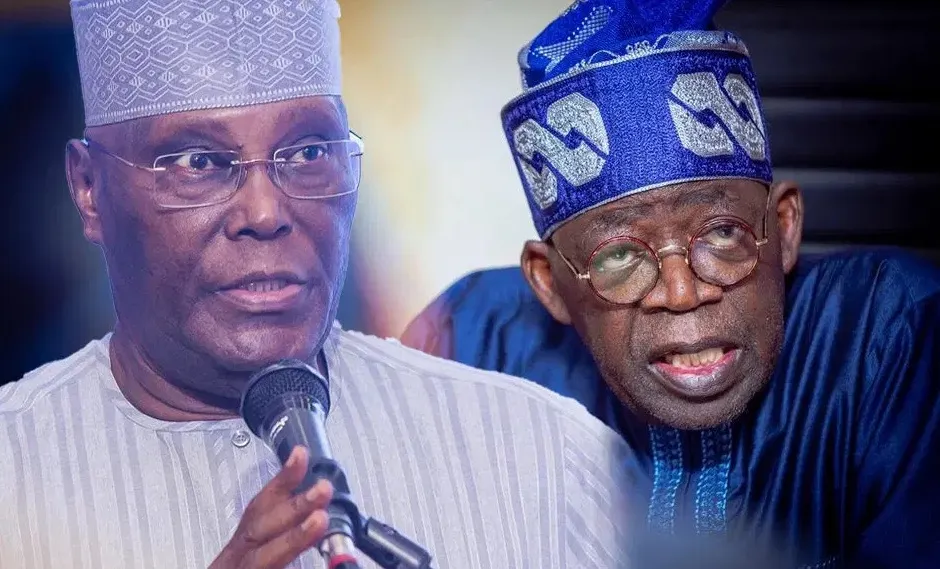
Former Vice President Atiku Abubakar has criticised President Bola Tinubu’s administration over the rising cost of electricity and other energy sources for manufacturers, saying the situation is making goods and houses increasingly unaffordable for Nigerians.
Mr Atiku said reports that 11 listed manufacturing companies spent N842 billion on energy in the first nine months of 2026 exposed the government’s failure to provide reliable and affordable electricity for businesses.
The African Democratic Congress (ADC) presidential candidate made the criticism in a statement issued on Thursday by his Director of Strategic Communication, Phrank Shaibu.
He argued that the high cost of energy was particularly affecting cement manufacturers, adding that the additional production expenses were eventually transferred to consumers through higher prices of building materials.
According to him, the rising cost of cement was making homeownership increasingly difficult for ordinary Nigerians, despite the Federal Government’s claims of delivering thousands of housing units.
“N842 billion is the energy bill of only 11 companies in nine months. Cement manufacturers are among the industries hit hardest by the cost of power.
“That cost does not disappear at the factory gate. It enters the price of every bag of cement and pushes the cost of building a home further beyond the reach of ordinary Nigerians,” he said.
The former vice president described as contradictory the administration’s claims of expanding affordable housing while businesses continued to grapple with high energy costs.
“It is laughable that a government under which cement has become so expensive now boasts of producing more houses for Nigerians.
“How does it expect families to afford those houses when its energy failures make the materials used to build them more costly?” he asked.
Mr Atiku said the reported 7.4 per cent increase in manufacturers’ energy expenditure compared with the corresponding period in 2025 was a warning about the wider implications for the economy.
He argued that businesses facing high electricity, diesel and gas costs would eventually increase prices, reduce production, suspend expansion plans or lay off workers.
“When factories spend fortunes on electricity, diesel and gas, they raise prices, cut production, postpone expansion or shed jobs. Families then pay more for everything those factories produce.
“Tinubu’s energy failure is being added to every Nigerian’s bill,” he said.
The ADC chieftain also questioned the All Progressives Congress Presidential Campaign Council’s claim that the Tinubu administration had delivered more than 26,000 housing units.
He said the campaign council’s own figures included 10,328 housing units still under construction, while some of the listed Federal Housing Authority projects had commenced under the administration of former President Muhammadu Buhari.
Atiku argued that ongoing projects and inherited developments should not be presented as completed achievements of the current administration.
“A building site is not a completed home. An inherited project is not proof of fresh delivery. A mortgage approval is not a house key.
“Publish what Tinubu inherited, what his administration completed, how many families have moved in and what those homes cost,” he said.
He also challenged the APC to provide evidence for its claim that the housing programme had generated 525,100 construction jobs, insisting that estimated employment opportunities should not be presented as jobs already created.


Lagos cancels November environmental sanitation exercise over INEC mock accreditation

Kebbi doctors hail Gov. Idris over welfare, retirement age extension

Sterling Bank Managing Director and CEO Abubakar Suleiman Sits on the Board of Ananse Internet Group, a Company Registered in Mauritius

Kalu Onuma: Before You Judge Ohanaeze Ndigbo Lagos State, You Should First Judge Ndigbo Lagos Foundation

Reps Investigate Abuse of Fiscal Incentives, Lack of Income at Free Commerce Zones

Kano Govt Breaks Silence On EFCC Move Against Kwankwaso

CBN Replaces Imam, Appoints Mohammed Acting Keystone Bank MD

FG roots for local biotech development
Jumia Nigeria Unveils ‘No Manage Am’ Black Friday 2026 Campaign With Up To 60% Off
“User Funds Are Completely Safe” — Binance Investigates Suspected $6.3 Billion Hack, Suspends Deposits And Withdrawals
ADC Postpones Presidential Campaign Flagoff, Fixes New Date
Abuja court to rule on joinder application in Pantami-PDP suit
Davido features Chioma in ‘Already Falling’ video, recreates proposal scene
IAEA can’t verify location of Iran’s nuclear material – Rafael Grossi

“Airlines Increase Seat Availability But Do Not Necessarily Reduce Airfare” — Christmas Return Tickets Hit ₦822,000 As Carriers Expand Flights Across Nigeria
Troops Neutralise 44 Terrorists In Borno, Disrupt IED Attack

 Business3 days ago
“Airlines Increase Seat Availability But Do Not Necessarily Reduce Airfare” — Christmas Return Tickets Hit ₦822,000 As Carriers Expand Flights Across Nigeria
- Special Reports3 days ago
Zamfara Govt Suspends Campaign In Maru LGA Following Fatal Accident In Gummi
- Top Stories5 days ago
“1,571 Tractors Deployed To 23 States” — APC PCC Lists Agriculture Interventions As Tinubu Approves ₦1.5tn BOA Recapitalisation
- News3 days ago
NAFDAC Threatens Prosecution Over Illegal Pharmacy Raids In Edo
- Business7 days ago
“₦1,472/$ In Parallel Market, ₦1,394/$ At Official Window” — Naira Weakens Further Against Dollar
- Top Stories5 days ago
“We Are Examining The Video” — Daura Emirate Launches Probe Into Tourist’s Sexual Assault Allegations Against Emir Faruk Umar Faruk
- News5 days ago
One Dead As Fire Guts Lagos Filling Station
 Politics3 days ago
ADC Demands Tinubu’s Impeachment Over Gov Yusuf’s S’Court Revelation