Special Reports
CHOLERA: FCTA activates emergency operations centre in Abuja

To reduce the risk of infection, the FCTA has urged residents to drink only water from safe, reliable sources, practice regular hand washing, eat thoroughly cooked food, and avoid open defecation.
The Federal Capital Territory Administration (FCTA) has activated its Multisectoral Cholera Emergency Operations Centre to strengthen efforts to contain the ongoing outbreak and prevent further infections and deaths.
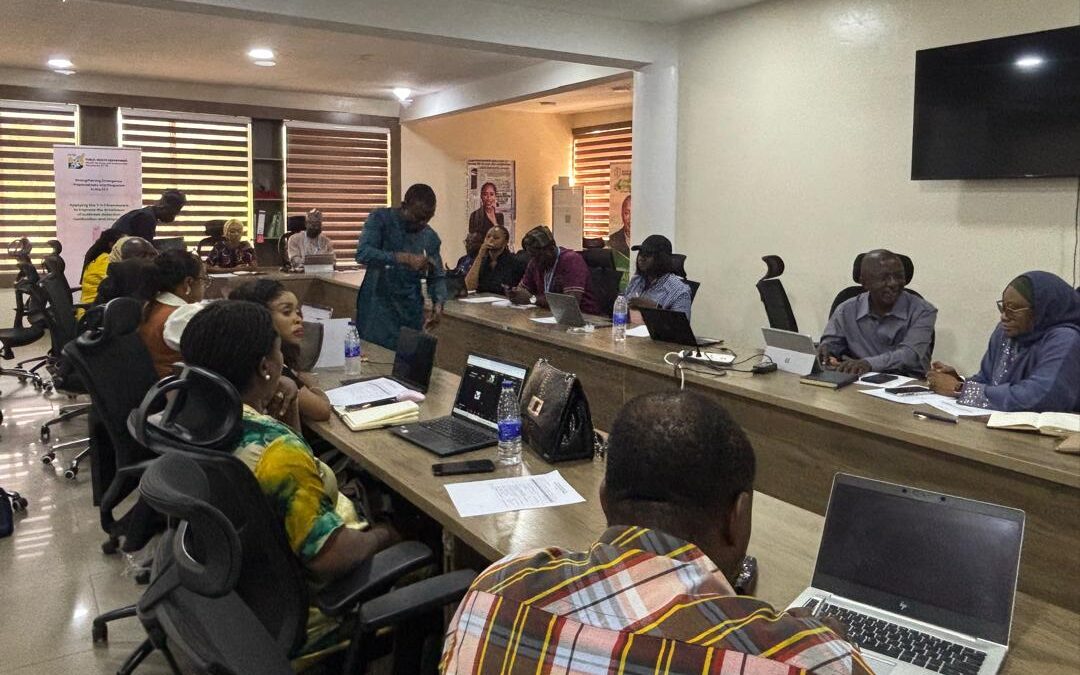
The Director of the Public Health Department, Teresa Nwanchukwu, who represented the Mandate Secretary, Health Services and Environment Secretariat, formally activated the Public Health Emergency Operations Centre (PHEOC).
The activation meeting was attended by the Director of the Rural Water Supply and Sanitation Directorate (RUWASSA), Joyce Chinyere Echoke; a representative of the FCT Water Board; and representatives of the World Health Organization (WHO), UNICEF, Jhpiego, Pro-Health International and the Nigerian Red Cross Society.
The partners reaffirmed their commitment to supporting the FCT’s response to the outbreak.
The FCT State Epidemiologist, Lawal Lukman Ademola, was appointed Incident Manager to coordinate the implementation of the approved Cholera Incident Action Plan through a multisectoral Incident Management System.
The administration said priority interventions would include enhanced disease surveillance, active case searches, laboratory diagnosis, case management, infection prevention and control, water, sanitation and hygiene (WASH), risk communication, community engagement, logistics and vaccination, where appropriate.
It added that response activities would be intensified in affected communities, while surveillance and preventive interventions would be strengthened in other areas considered at risk.
According to the World Health Organization (WHO), cholera is an acute diarrhoeal infection caused by the ingestion of food or water contaminated with the bacterium Vibrio cholerae. It can cause severe dehydration and become fatal within hours if left untreated.
The global health agency estimates that between 1.3 million and four million cholera cases occur annually worldwide, resulting in between 21,000 and 143,000 deaths.
The WHO also identifies inadequate access to safe drinking water, sanitation and hygiene as major factors contributing to the spread of the disease.
The agency says cholera is preventable and treatable, with early access to treatment, particularly oral rehydration solution (ORS) and appropriate medical care, playing an important role in reducing deaths.
To reduce the risk of infection and prevent further transmission, the FCTA advised residents to observe the following precautions:
1. Drink safe water: Residents should consume water from reliable sources. Where its safety is uncertain, water should be boiled or appropriately treated with chlorine before drinking.
2. Practise regular handwashing: Wash hands thoroughly with soap and safe water, particularly after using the toilet and before preparing or eating food.
3. Maintain proper food hygiene: Eat thoroughly cooked food and observe proper food-handling and storage practices to prevent contamination.
4. Use sanitary toilet facilities: Residents should use appropriate toilet facilities and avoid open defecation, which can contaminate water sources and the surrounding environment.
5. Ensure proper environmental sanitation: Keep homes and surroundings clean and dispose of refuse and other waste appropriately.
The FCTA urged residents experiencing sudden watery diarrhoea, with or without vomiting, to take immediate action by commencing oral rehydration solution (ORS), where available, and proceeding without delay to the nearest health facility for appropriate medical attention.
The administration reassured residents of its commitment to protecting public health, adding that it was working with relevant stakeholders and development partners to contain the outbreak.
It also urged members of the public to remain vigilant, observe recommended preventive measures, and cooperate with public health officials.
Residents can report suspected cholera cases or seek emergency response information through the FCT State Epidemiologist and Cholera Incident Manager, Lawal Lukman Ademola, on 09084000085


Kano Varsity Bans Students From Giving Gifts To Lecturers

NFVCB Congratulates Kenneth Gyang On Historic Acquisition of ‘Confusion Na Wa’ By Switzerland’s National Film Archive

CHOLERA: FCTA activates emergency operations centre in Abuja

UBA Unveils ‘UBA Localé’, A 3-Day Marketplace Lifestyle Festival To Reward Customers, Boost SMEs Growth

Court sentences two to death for murder of NYSC member

PREMIUM TIMES reporter wins 2026 Ray Ekpu Investigative Journalism Prize

Beyond the Ribbon-Cutting: Can Maiduguri’s New Hub Rewrite the North-East’s Digital Story?

Governor Charles Soludo Cornered N34.2 Billion for His Own Office in Anambra in Nine Months While the Whole State Used Only 30 Per Cent of Its Budget
“User Funds Are Completely Safe” — Binance Investigates Suspected $6.3 Billion Hack, Suspends Deposits And Withdrawals

“Airlines Increase Seat Availability But Do Not Necessarily Reduce Airfare” — Christmas Return Tickets Hit ₦822,000 As Carriers Expand Flights Across Nigeria
How A 22-year Old’s Phone Video Led To Arrest Of 4 Police Officers In Ikorodu
NAFDAC Destroys N8bn Fake, Unsafe Goods
Drugs: Kano Task Force Nabs Gang Leader In Port Harcourt
Abuja Market Shooting: NSCDC Suspends Officer, Begins Disciplinary Trial
PSC Promotes FCT Police Spokesperson Adeh, 3,800 Officers
President Bola Tinubu Left Abia, Gombe And Jigawa With No Minister In The Federal Executive Council While The Council Approved N631.3 Billion For Nine Roads

 Business4 days ago
“Airlines Increase Seat Availability But Do Not Necessarily Reduce Airfare” — Christmas Return Tickets Hit ₦822,000 As Carriers Expand Flights Across Nigeria
- Top Stories5 days ago
“1,571 Tractors Deployed To 23 States” — APC PCC Lists Agriculture Interventions As Tinubu Approves ₦1.5tn BOA Recapitalisation
- Special Reports4 days ago
Zamfara Govt Suspends Campaign In Maru LGA Following Fatal Accident In Gummi
- News4 days ago
NAFDAC Threatens Prosecution Over Illegal Pharmacy Raids In Edo
- News6 days ago
One Dead As Fire Guts Lagos Filling Station
- Top Stories6 days ago
“We Are Examining The Video” — Daura Emirate Launches Probe Into Tourist’s Sexual Assault Allegations Against Emir Faruk Umar Faruk
 Politics4 days ago
ADC Demands Tinubu’s Impeachment Over Gov Yusuf’s S’Court Revelation
- Special Reports4 days ago
Alleged ₦110.4b Kogi Fraud: Witness Narrates How Kogi LGs Repaid N2.1bn Loan for Bello’s Children School Fees