One of the key issues likely to be examined during the judicial review is whether the coroner’s court properly assumed jurisdiction, particularly given that Nkanu’s body had already been cremated before the inquest process began
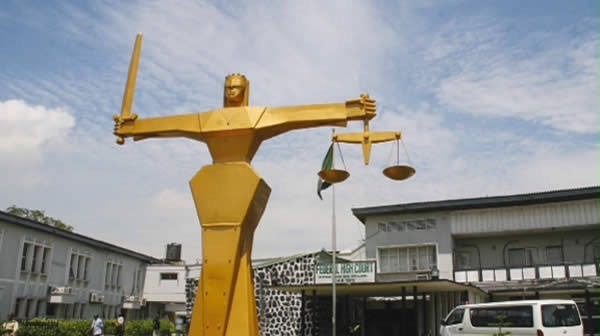
A High Court in Lagos has ordered a temporary halt to the ongoing coroner’s inquest into the death of 21-month-old Nkanu Nnamdi Esege, pending a judicial review of how the inquest was initiated and conducted.
One of the key issues likely to be examined during the judicial review is whether the coroner’s court properly assumed jurisdiction, particularly given that Nkanu’s body had already been cremated before the inquest process began. Questions have also been raised about the absence of a post-mortem examination, which some parties argue is an important component of establishing the cause of death in such proceedings.
Nkanu Adichie-Esege, the young son of celebrated author Chimamanda Adichie and Dr. Ivara Esege, passed away in January 2026. His death prompted calls for an official inquiry, leading to the opening of a coroner’s inquest at the Yaba Magistrate Court in February 2026.
Since then, the proceedings have faced a number of delays and procedural disagreements. The inquest first sat on 25 February, reconvened on 14 April and briefly resumed on 5 May before being suspended pending discussions involving the Lagos State Attorney-General and the legal representatives of the parties involved.
In granting permission for the review, the Lagos High Court noted that the application raised significant issues relating to procedure and fairness that deserve fuller consideration. The court also directed that all proceedings in the coroner’s court remain suspended until the substantive application is heard and determined.
The applicant has been given 14 days to file the main application, and the matter is scheduled to return to court on 8 June 2026.
For now, the coroner’s inquest remains on hold while the High Court considers whether the process followed so far meets the requirements of the law. The outcome of the judicial review could determine not only the future of this particular inquest but also provide clarity on how similar cases are handled in the future.