The NCDC also clarified that Ebola and Hantavirus are different diseases with distinct modes of transmission.
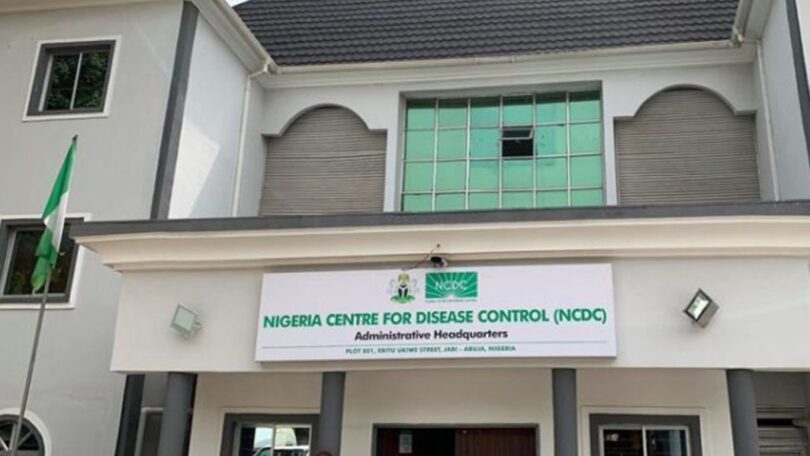
The Nigeria Centre for Disease Control and Prevention (NCDC) has said Nigeria has not recorded any confirmed case of Ebola Virus Disease (EVD), urging citizens to avoid spreading misinformation about the disease.
The NCDC warned Nigerians to remain calm but vigilant, stressing that unverified claims circulating online could trigger panic and confusion.
The agency addressed several misconceptions about Ebola, including claims that the disease was already spreading widely in Nigeria.
“Nigeria has not recorded any confirmed case of Ebola Virus Disease associated with the current regional outbreak,” the agency said.
They added that there is currently no approved home remedy for Ebola, dismissing claims that salt water, bitter kola, herbs, or seasoning cubes could prevent or cure the disease.
“Early reporting, supportive medical care, and strict infection prevention and control measures are critical. Avoid self-medication and seek care promptly if symptoms develop,” the advisory stated.
The NCDC also clarified that Ebola and Hantavirus are different diseases with distinct modes of transmission.
According to the agency, Hantavirus is primarily transmitted by inhaling dust contaminated with rodent droppings and rarely spreads between humans, whereas Ebola spreads through direct contact with the bodily fluids of infected persons.
The public health agency further dismissed conspiracy theories suggesting that Ebola outbreaks are deliberately created or manipulated.
“Ebola Virus Disease is a known viral haemorrhagic illness that has caused outbreaks in several countries over the years,” it said, adding that health authorities and healthcare workers are working to prevent further spread.
‘Fever does not automatically mean Ebola’
The NCDC cautioned Nigerians against assuming every fever-related illness is Ebola.
The health agency noted that several diseases common in Nigeria, including malaria, typhoid, and Lassa fever, can also cause fever and related symptoms.
They explained that healthcare workers rely on symptoms, travel history, case definitions, and laboratory testing before confirming the cause of an illness.
The NCDC also reassured citizens that healthcare facilities across the country are strengthening infection prevention and control measures, including hand hygiene, use of personal protective equipment, isolation procedures, and triage systems.
The NCDC also advised Nigerians not to share unverified reports or rumours about Ebola on social media.
“Sharing unverified information can create panic and confusion,” the agency said, urging the public to rely only on updates from official public health authorities and credible sources.
The renewed public health alert follows the World Health Organisation’s (WHO) declaration of the outbreak in DRC and Uganda as an international health emergency over concerns about regional spread and the absence of an approved vaccine for the Bundibugyo strain.
According to the WHO, the outbreak has already led to dozens of deaths and hundreds of suspected cases across affected areas in Central Africa. In its latest situation report, the global health body said 528 suspected cases and 132 deaths had been reported across both countries as of 18 May.
Although the WHO assessed the global risk as low, it warned that the national and regional risks remain high.
Following the outbreak declaration, the federal government assured Nigerians that there was no Ebola case in the country and announced intensified preparedness measures.
Authorities said surveillance systems at points of entry had been strengthened, while emergency response mechanisms were being reviewed to improve readiness.
The Federal Airports Authority of Nigeria (FAAN) also announced additional health screening measures and enhanced Ebola surveillance across international airports.
The measures include heightened passenger monitoring, screening protocols, and coordination with health authorities to detect and respond swiftly to suspected cases.
The NCDC said symptoms of Ebola may include fever, weakness, headache, muscle pain, sore throat, vomiting, diarrhoea, and, in severe cases, bleeding.
The agency advised Nigerians to maintain regular hand hygiene, avoid contact with bodily fluids of sick persons, and refrain from handling sick or dead animals or bushmeat from unknown sources.
They also urged members of the public to report unusual illnesses promptly and rely only on verified information from official public health authorities.
The agency reiterated that early reporting saves lives.