Special Reports
Six climate measures could save 1.6 million lives yearly – WHO

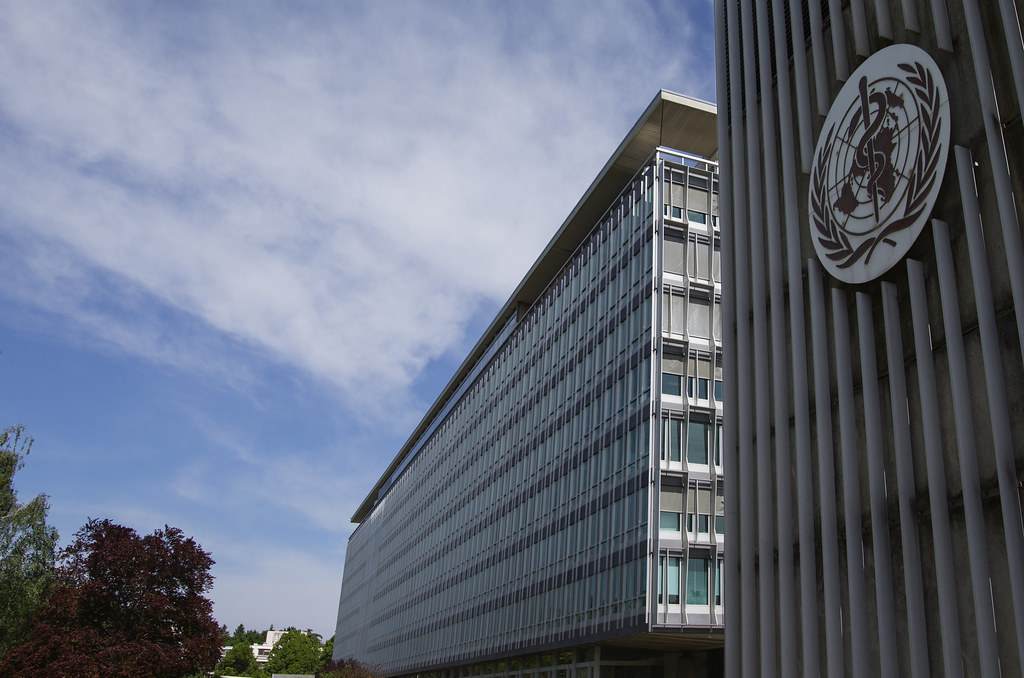
According to the report, the six interventions could prevent one in every 40 deaths globally, based on modelled projections, while avoiding 16.7 billion tonnes of carbon dioxide emissions annually.
Six proven climate and health interventions could prevent 1.6 million deaths annually and generate trillions of dollars in economic benefits if implemented globally, the World Health Organisation (WHO) has revealed.
The WHO disclosed this in a new report titled ‘Global benefits and costs of prioritised actions on climate change and health’, released ahead of the 31st United Nations Climate Change Conference (COP31), where countries are expected to present their climate commitments.
According to the report, the six interventions could prevent one in every 40 deaths globally, based on modelled projections, while avoiding 16.7 billion tonnes of carbon dioxide emissions annually.
The estimated emissions reduction is equivalent to 31 per cent of global annual greenhouse gas emissions, excluding emissions from land use, land-use change and forestry.
The report, which the WHO described as its first comprehensive assessment of the economic and fiscal returns from scaling up the six recommended interventions, highlights the potential health and financial gains of integrating public health considerations into climate policies.
It argues that many health consequences of climate change are preventable through existing solutions, but governments must implement them across health and other sectors that determine people’s health.
The report identifies six interventions: heat-health warning systems, climate-resilient drinking-water services, basic sanitation services, hygiene and handwashing facilities, cleaner household fuels and technologies for cooking and heating, and efficient fossil fuel pricing policies.
The WHO estimates that five of the interventions could generate $24 in benefits for every $1 invested, with returns expected to be greater in low- and middle-income countries.
Heat-health warning systems are projected to deliver particularly high returns, generating an estimated $835 in benefits for every $1 invested.
The report attributes the high returns to the relatively low cost of expanding existing warning systems and their potential to prevent heat-related illnesses.
Efficient fossil fuel pricing policies, however, are projected to deliver the largest overall gains.
Such policies, including removing inefficient fossil fuel subsidies and appropriately taxing fossil fuels, could prevent 1.2 million deaths annually while generating $3 trillion in economic welfare benefits and $5.4 trillion in fiscal gains.
Commenting on the findings, WHO Director-General Tedros Ghebreyesus said the climate crisis was also a health crisis, but many of its consequences could be prevented using existing interventions.
He said expanding proven and affordable interventions could save millions of lives, particularly in countries with the greatest need.
“The climate crisis is a health crisis, but much of the harm it causes can be prevented with tools we already have,” he said.
Mr Ghebreyesus urged governments to place health considerations at the centre of climate action as they prepare for the next round of international climate negotiations.
The WHO said countries were already experiencing record-breaking climate shocks in 2026, investing in measures that protect human health and the environment increasingly urgent.
The health body called on governments, development partners and financing institutions to use the economic evidence to scale up the interventions, noting that they could deliver simultaneous benefits for public health, climate mitigation and national economies.


“NJC Announces Deaths Of Nine Judicial Officers” — Council Issues Warning Letters To Three Judges, Cautions Eight Others

“The Appeal Fails” — Court Of Appeal Rejects Turaki-Led PDP Recognition Bid, Upholds ₦70m Costs, Awards Additional ₦15m

Tomi Falade’s Books Spark Global Applause At 2026 Helsinki Book Fair
Six climate measures could save 1.6 million lives yearly – WHO

Afrinvest Boss, Ike Chioke Thanks Elumelu Over Unsolicited $1m Loan

Abiodun orders immediate reconstruction of Saje-Elega-Adedotun Road

2027: APC flags off Enugu campaign in Nsukka, vows to deliver Mbah, Tinubu, others

NNPC ex-director launches book on failure of family businesses

INVESTIGATION: How Anthony Kila falsified all his academic qualifications – from Bachelor’s to Doctorate

Customer Service Week: Inside How Jumia Is Using Technology To Go The Extra Mile For Shoppers

Google opens AI-content detector to enable verification

Kayefi headlines Tales & Tunes as ID Cabasa leads music direction in Sheffield

How Houthi military aggression in Red Sea threatens Africa

Ogaga Ifowodo wins $100,000 Nigeria Prize for Literature

How Lagos Families Are Allegedly Buying Contaminated Meat In Dirty Conditions At Mushin, Oshodi, Mile 12, Surulere Markets

UK migrant workers wear chains, sing Asa’s ‘Jailer’ to protest proposed visa reforms
-

 Business6 days ago
“User Funds Are Completely Safe” — Binance Investigates Suspected $6.3 Billion Hack, Suspends Deposits And Withdrawals
-
Special Reports7 days ago
Jumia Nigeria Unveils ‘No Manage Am’ Black Friday 2026 Campaign With Up To 60% Off
-
Top Stories7 days ago
“We Will Meet On The Final List Of Candidates Today” — INEC To Decide Fate Of Pantami, Adebutu, Other Omitted Governorship Candidates
-
Special Reports7 days ago
Abuja court to rule on joinder application in Pantami-PDP suit
-
Business7 days ago
“This Does Not Qualify As Borrowing, It Qualifies As Investment” — Finance Minister Oyedele Defends FG’s $21.7bn External Loan Plan
-
Top Stories7 days ago
Actress Doris Ogala Remanded for cyberstalking Lagos Pastor
-
Special Reports7 days ago
Nigeria vs Mexico Preview: Flamingos target U-17 World Cup Quarter-Final spot after historic DPR Korea win
-
Politics7 days ago
2027: Court Asked to Disqualify APC from Rivers Governorship Election