Stakeholders at an environmental justice roundtable called on oil firms and regulators to convert flare gas into electricity for Akwa Ibom host communities grappling with years of power outage.
Civil society organisations, environmental advocates and youth groups have recommended the utilisation of flare gas for electricity generation in oil-producing communities in Akwa Ibom State.
The recommendation formed part of resolutions adopted at a roundtable on “Extraction, Justice and Sustainable Alternatives,” convened by the Clement Isong Foundation (CIF) in collaboration with ActionAid Nigeria and ActionAid Denmark under the Strategic Partnership Agreement II Project.
The stakeholders said some host communities, including Eastern Obolo, had remained without electricity for more than three years despite continued gas flaring by oil companies operating in the areas.
PREMIUM TIMES reported how gas flaring has turned many host communities in Akwa Ibom into a furnace.
The stakeholders in the meeting convened by Clement Isong Foundation noted that continued gas flaring wastes a potential energy source while also contributing to environmental pollution and public health risks in affected communities.
Participants specifically called on Sterling Oil Exploration and Energy Production Company to channel gas meant for flaring towards electricity generation for host communities.
They further called on the Nigerian Upstream Petroleum Regulatory Commission to take over gas designated for flaring where operators fail to utilise it, in line with provisions of the Petroleum Industry Act.
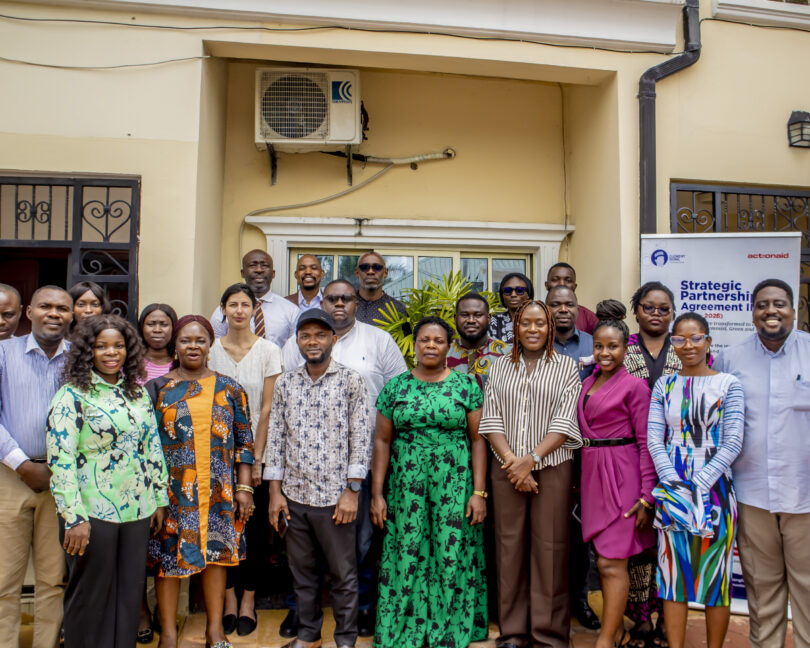
The engagement, held at the Clement Isong Foundation Secretariat in Uyo, brought together representatives of civil society organisations, environmental justice groups, governance and accountability organisations, youth leaders, media practitioners and grassroots actors.
During the discussions, participants raised concerns over persistent gas flaring, oil spills, flooding, coastal erosion, deforestation and what they described as weak enforcement of environmental regulations in oil-producing communities.
They also criticised the exclusion of vulnerable groups from decision-making processes within Host Community Development Trusts, stressing the need for more transparent and accountable governance structures.
Participants advocated stronger oversight mechanisms to ensure that communities directly affected by extractive activities benefit from environmental interventions and development initiatives.
Participants explored renewable energy options, including solar-powered community projects, rural electrification initiatives and climate education campaigns as alternatives to environmentally harmful extractive systems.
They also called for stronger inclusion of women, youths and Persons With Disabilities in governance and environmental decision-making structures.