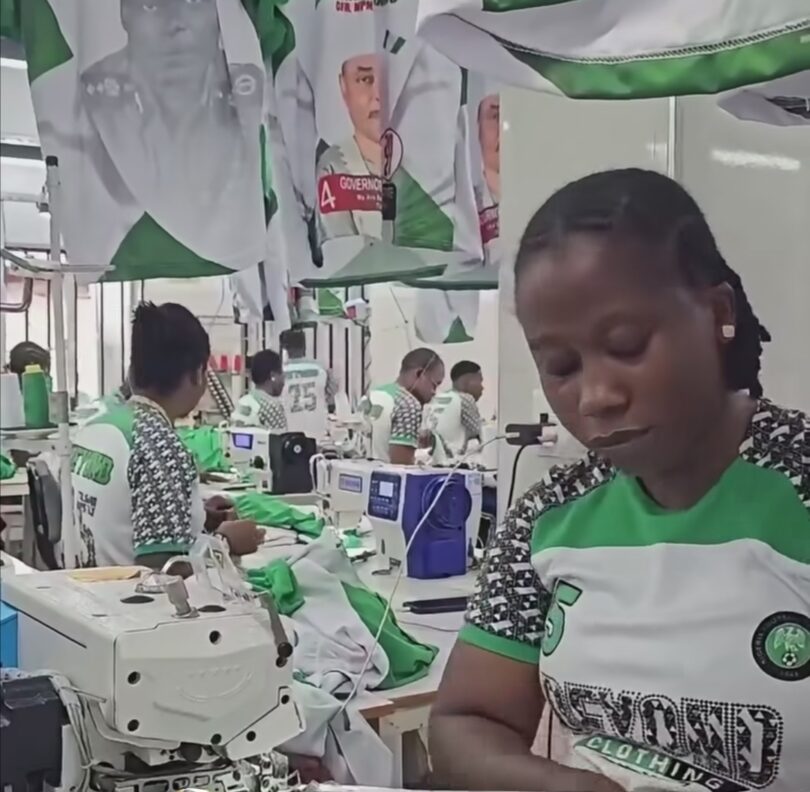
I saw the article my brother, Celestine Ebubeogu wrote about the influx of the Chinese and their expanding trading interest in Nigeria. He warned that unless we begin to restrategize and take manufacturing seriously, we will lose our command of commerce to the Chinese.
Some of the comments were hilarious and self-demotivating. People mentioned high interest rates, multiple taxes, energy costs, and access to capital.
One of the biggest challenges in Nigeria today is a lack of self-esteem. We have submitted our limitations to the act of God.
I want to be blunt here. One of the main reasons Nigerians run away from manufacturing is the discipline it demands. Trading gives you quick, liquid cash to flex with, form social clubs, buy luxury cars, enjoy the summer holidays beside the seashore and acquire unending titles. 10-15 years, you will become a shadow of yourself, living off rents from dilapidated houses you built without building plan approval.
What is there in manufacturing that you are scared of?
Let me break it down for you. Everything you will produce in Nigeria will be cheaper than being imported from China, as long as you can find up to 40% of the raw materials here. Again, 10— 15 years after successfully introducing your local brand in Nigeria, you may likely live off your brand equity more than your assets.
In manufacturing, your real asset is not the machines or the brick and mortar—it is the process, the systems, and the patience to watch compounding take over.
Trading teaches you to celebrate turnover; manufacturing forces you to master margins, efficiency, and scale. In trading, you are at the mercy of foreign exchange swings, shipping lines, and the foreign factory that can wake up tomorrow and cut you off to sell directly to your customers. We see it happening daily. The moment foreign players realise that all you do is warehouse and distribute, they will open shop on your street, eliminate your middleman spread, and leave you stranded.
Manufacturing is the only true defence against economic recolonisation.
When you anchor your production on local value addition—sourcing raw materials from local farms and processors—you insulate your business from foreign exchange shocks. You create a moat that a container ship cannot easily breach. The learning curve is steep, and the operating environment will test every ounce of your resolve.
You will generate your own power, fix your logistics, and train your workforce from scratch. But while the trader constantly restarts from zero with every new shipment, the manufacturer builds institutional knowledge, proprietary formulations, and generational resilience.
The infrastructure deficit is real, but it is not a death sentence; it is the price of pioneer advantage. Every industrial giant in this country built their empire in the very same rough terrain people use as an excuse today. They understood that brand equity outlives transactional wealth. A solid brand built over fifteen years of consistent quality will feed your children and their children long after flash-in-the-pan trading fortunes have dried up.
We must stop worshipping quick liquidity at the expense of industrial permanence. If you want quick cash to sustain an appetite for vanity, stay in trading until the market runs you over. But if you want to build enduring wealth, command real market authority, and secure an economic legacy for this generation, the only way forward is to produce.
Roll up your sleeves, find your raw material anchor, build the discipline, and start making things.
– Ebubeogu is one of the brains behind the Tiger Foods & Beverages Brand