News
Africa must connect payment systems to unlock cross-border trade – Gates Foundation

Gates Foundation has urged African countries to connect their instant payment systems, IPS, to facilitate cross-border trade and accelerate regional economic integration under the African Continental Free Trade Area.
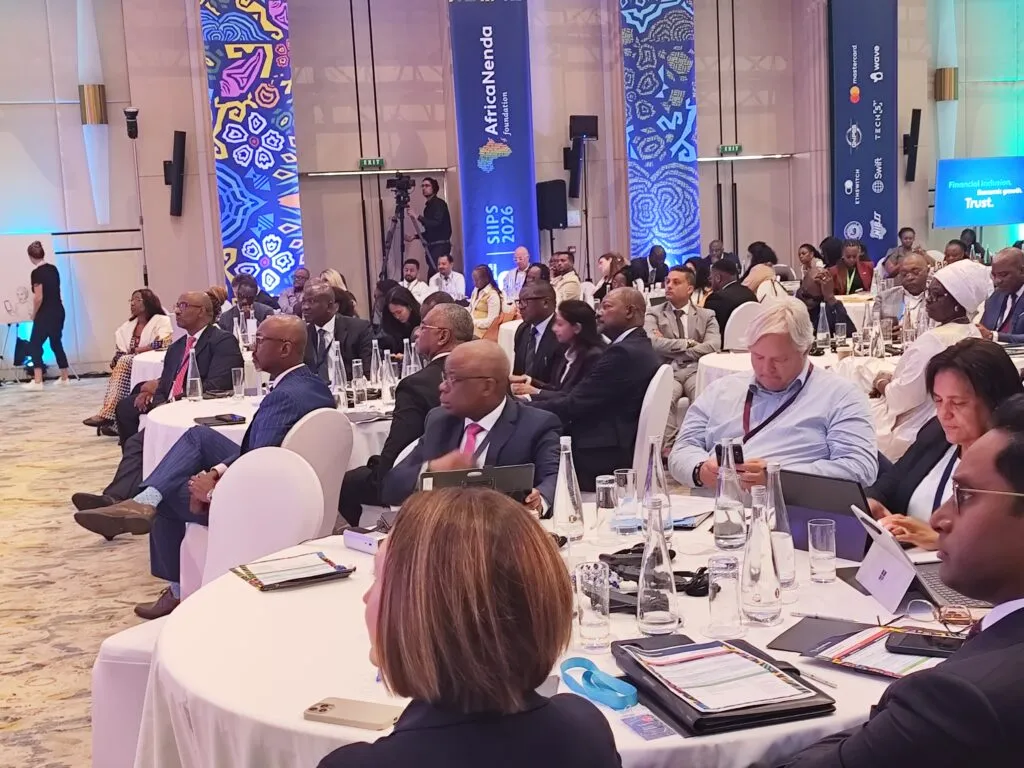
Director of Economic Opportunity at the Gates Foundation, Enock Chikava, made the call at the launch of the 2026 State of Inclusive Instant Payment Systems in Africa Report by the AfricaNenda Foundation in Balaclava, Mauritius.
Delivering the keynote address on Thursday in Balaclava, Mauritius, Chikava said the continent’s growing movement of goods and people required payment systems that could facilitate seamless transactions across national borders.
“Goods and people are beginning to move freely across this continent, and the money must move with them.
“This is the promise of the Africa Continental Free Trade Area, as we all know,” he said.
He cited a farmer in Zambia selling maize to a buyer in Kenya and receiving payment instantly in her local currency as an example of the economic integration digital payment infrastructure should facilitate.
Chikava said interoperable payment systems, digital identity and data-sharing infrastructure could reduce the cost of moving money and information, while connecting businesses across national borders.
He, however, said instant payments should go beyond facilitating transactions to create economic opportunities by linking users to credit, insurance and markets.
“But being paid instantly is not the end goal. It is the beginning.
“The goal is what this woman, Fatima, does next. Maybe it is to invest in a second stall. Maybe it is to buy cold storage.
“Maybe it is the young people she hires, or the school fees she pays without selling a goat or a cow,” he said.
Chikava said digital transaction records could help small businesses establish financial histories and demonstrate their economic activities to lenders.
“A payment system is the foundation. It speeds up cash. It builds the financial records that can become a first loan. It lowers the cost of trade. These are the building blocks of income growth and business expansion,” he said.
He identified agriculture as a critical sector for digital transformation, saying investment in it could significantly improve livelihoods and reduce poverty.
Chikava said digital public infrastructure could help farmers access markets, financial services and information, while artificial intelligence could provide smallholder farmers with advice on seeds, weather, prices and credit in local languages.
Earlier in his opening remarks,Chief Executive Officer of AfricaNenda, Dr Robert Ochola, said the organisation was exploring ways to use digital payment records to improve farmers’ access to credit.
Ochola said AfricaNenda had begun working with an African university on a pilot involving cotton farmers to facilitate access to credit through instant payment systems.
He said the organisation was also exploring behavioural credit-scoring models in Rwanda using digital transactions involving more than two million farmers.
“This is only possible when you have robust digital public infrastructure stack embedded within an IPS,” he said.
Ochola said digital payment infrastructure could also support governments in paying community health workers more efficiently and help small businesses demonstrate their economic activities to potential lenders.


UNIABUJA Used Only 12% Of Land In 38 Years — Wike’s Aide

Africa must connect payment systems to unlock cross-border trade – Gates Foundation

“An Unsigned Document Is Of No Value” — Court Upholds Yahaya Bello As APC Kogi Central Senatorial Candidate

EXCLUSIVO: Jorge Bom Jesus, de São Tomé e Príncipe, Entregou os Três Portos Nacionais por 30 Anos com uma Promessa de 500 Milhões de Dólares, e Quatro Anos Depois Não Está Documentada Uma Única Obra ou Máquina, Enquanto o Estado Vende o Porto do Príncipe a Novos Investidores Sem Mencionar o Consórcio Que Já o Detém

Former NUJ Abuja chairman, Abdul Jelil Adebayo, dies at 62

National Library: After Raising N25.6bn, Oluremi Begs For Another N70bn

Top Chinese bus manufacturer plans to establish plant in Nigeria

Court dismisses suit challenging Taraba APC chairman’s emergence
Emirates explores a range of new innovations for customers with accessible travel requirements at AccessAbilities Expo, Dubai 2026
“The Task Force Is On Top Of It, NCDC Is On Top Of It” — FG Assures Nigerians Of Capacity To Contain Ebola
Lagos Alone Cannot Afford Fourth Mainland Bridge — Hamzat
MILO and Ahmed Musa Support 2500+ Young Footballers Through Kano Sports Clinic
Tinubu Campaign Speaks on Reported Plot To Assassinate Atiku
18-Year Old Arraigned In Court For Allegedly Stealing N30m Jewelries In Popular Lagos Estate
Dangote To Nigerian Creatives: Africa Must Build Its Own Prosperity
Police Nab Suspected Cultists Terrorising Ajah

 News6 days ago
“Autonomy Brings Responsibility” — ICPC Recovers ₦5.3bn From LG Accounts In Seven States, FCT, Moves To Publish 774 Councils’ Finances Online
- News6 days ago
“EFCC Recruitment Is Absolutely Free” — Commission Warns Nigerians Against Fake Employment Emails Demanding ₦3,354
- Business6 days ago
“Fixes Are Not Taking As Expected” — Microsoft Struggles To Restore Outlook, Teams, Copilot As Global Outage Hits 74 Countries
- Politics6 days ago
Details Emerge as Police, Reps Probe Attack on Obi’s Supporters in Lagos
- Top Stories6 days ago
“States, Not FIRS, Collect Itinerant Workers’ Income Tax” — Supreme Court Rules For Bayelsa In Offshore PAYE Dispute
- Special Reports7 days ago
EFCC Docks Music Star, Felix Duke For Alleged N21.2m Fraud
- Investigations2 days ago
OPay in Trouble as CBN and Others Slam Fintech With ₦946m in Fines Over Money Laundering and Other Breaches
- Business7 days ago
“Some Of Our Airports Are Being Run At A Loss” — Keyamo Explains FG’s Push For Private Sector Participation