News
Atiku’s fate will be decided by voters, not Osuntokun’s tales by moonlight, by Paul Ibe

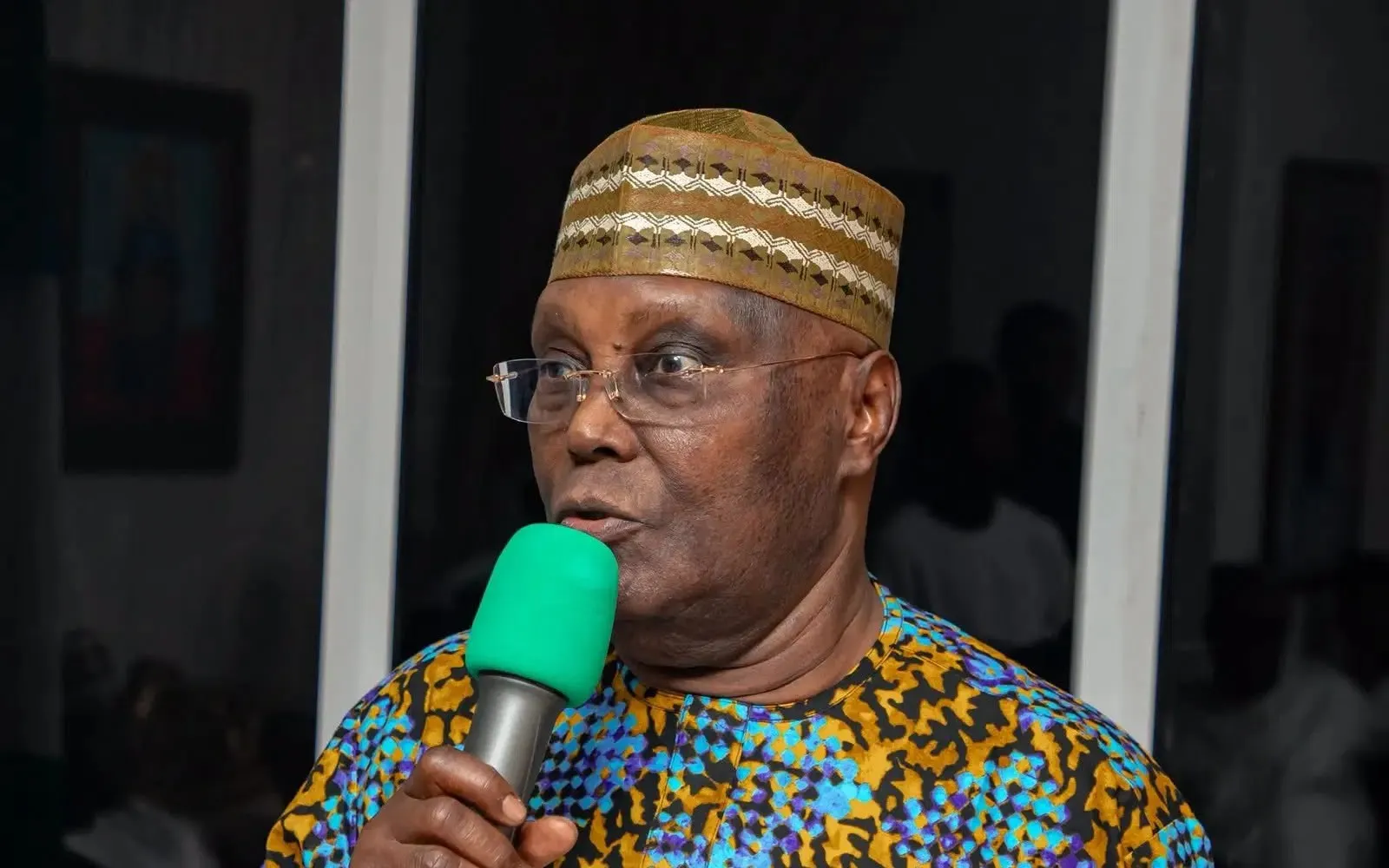
Akin Osuntokun’s latest intervention, titled “Atiku Abubakar Cannot Heckle His Way to the Presidency,” published in THISDAY on October 16, 2026, is a curious mixture of selective history, political prejudice and recycled allegations masquerading as informed commentary. It is remarkable that at a time when Nigerians are grappling with unprecedented economic hardship, insecurity and growing uncertainty about their future, Osuntokun considers it more important to excavate alleged private conversations from over two decades ago in an attempt to disqualify former Vice President Atiku Abubakar from seeking the presidency.
Of particular interest is his resurrection of a story attributed to former Cross River State Governor Donald Duke, who claimed that former military President Ibrahim Babangida once told President Olusegun Obasanjo that Atiku could not rule Nigeria. This is precisely the sort of tale by moonlight that should have no place in serious political analysis.
According to the account, Babangida allegedly pretended to have forgotten his keys, returned to Obasanjo’s private study and whispered a warning about Atiku. We are then invited to treat this extraordinary recollection of a supposed private exchange as a definitive assessment of Atiku’s presidential suitability.
But where is the independent corroboration? Has Babangida publicly authenticated those precise words? Even assuming, without conceding, that the conversation occurred exactly as narrated, since when did an alleged private judgment made over twenty years ago become a permanent disqualification from democratic leadership?
The irony is that Osuntokun chooses to dwell on what Babangida allegedly said in private while conveniently sidestepping what Obasanjo subsequently declared in public. On October 11, 2018, Obasanjo openly endorsed Atiku for the presidency. He acknowledged their past disagreements, reconciled with his former deputy and offered an unambiguous assessment of his leadership credentials. His words deserve to be recalled: “You surely understand the economy better.” Obasanjo went further, praising Atiku’s business experience, national and international reach, accessibility and capacity to provide leadership superior to that of the incumbent administration.
These were not anonymous whispers behind closed doors. They were public declarations made before political leaders, religious figures and the Nigerian media. Indeed, Obasanjo acknowledged that there had once been an understanding for Atiku to succeed him. That documented admission is considerably more relevant than Osuntokun’s speculative reconstruction of conversations from another political era. One would have expected a commentator concerned with historical accuracy to reconcile these facts rather than cherry-pick episodes that reinforce his preferred conclusion.
As for Babangida, any serious examination of his assessment of Atiku must account for the full history of their political relationship, including subsequent engagements, rather than elevate an uncorroborated remark into an eternal verdict. Neither Obasanjo nor Babangida holds a hereditary franchise to determine who may govern Nigeria. Whatever they may have thought about Atiku at different points in their political lives, the final authority belongs to the Nigerian electorate.
Osuntokun also suggests that Atiku’s age and repeated presidential contests should persuade him to surrender his ambition and become a mentor to younger politicians. This argument is as selective as it is unpersuasive. If age, experience and repeated electoral contests are legitimate subjects of political scrutiny, they must apply equally to all candidates, including President Bola Ahmed Tinubu. They cannot suddenly become disqualifying considerations simply because the candidate under examination is Atiku Abubakar.
Age does not confer competence, but neither does it automatically extinguish it. The appropriate questions concern judgment, capacity, policy, integrity and the ability to assemble a credible governing team.
Atiku has offered Nigerians his experience in public administration, economic management, enterprise development and national leadership. These credentials are open to legitimate scrutiny, just as Tinubu’s performance after more than three years in office must be subjected to rigorous examination.


Africa Magic adds five dramas, thrillers to October lineup
32-Year-Old Arrested Over Theft Of Five Phones From Anambra Hotels

US Credit Card Fraudster Governor Dapo Abiodun Paid N17.9 Billion To Service Debts In Three Months While His N1.04 Trillion Capital Budget Delivered 2.28 Percent

Ikeja Local Government Urges Eligible Students To Apply For Bursary Scheme Ahead Of November 14 Deadline
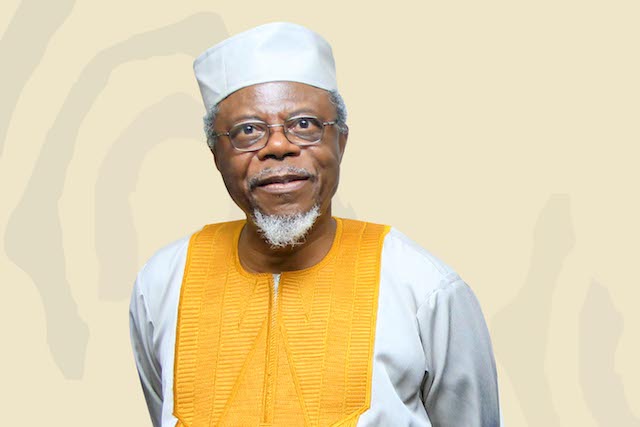
Ato Quayson and the challenge to Ghana: Rethinking the past and Future, By Toyin Falola

NEDI Moves To End Paper-Based School Data Collection By 2027

Actor Patrick Diabuah questions ‘God told me’ claims as he reflects on ‘The Ten’ role

Bauchi govt clears N5.2bn gratuity backlog

INVESTIGATION: How Anthony Kila falsified all his academic qualifications – from Bachelor’s to Doctorate

Google opens AI-content detector to enable verification

Customer Service Week: Inside How Jumia Is Using Technology To Go The Extra Mile For Shoppers

Kayefi headlines Tales & Tunes as ID Cabasa leads music direction in Sheffield

How Houthi military aggression in Red Sea threatens Africa

How Lagos Families Are Allegedly Buying Contaminated Meat In Dirty Conditions At Mushin, Oshodi, Mile 12, Surulere Markets

Ogaga Ifowodo wins $100,000 Nigeria Prize for Literature

UK migrant workers wear chains, sing Asa’s ‘Jailer’ to protest proposed visa reforms

 Investigations6 days ago
Emirates explores a range of new innovations for customers with accessible travel requirements at AccessAbilities Expo, Dubai 2026
- Special Reports6 days ago
Orie Uga Market Traders To Hold Mega Rally For APGA, Set To Endorse Dr. Chibueze Ofobuike For House Of Reps
- Special Reports6 days ago
Igbo Speaking Community Lagos Suspends Crowning Of Ezendigbo As New Executives Vow To Restore Past Glory
- News6 days ago
Lagos Alone Cannot Afford Fourth Mainland Bridge — Hamzat
- Politics7 days ago
Moses Can’t Return To Egypt – Tinubu Rules Out Fuel Subsidy
- Special Reports6 days ago
NIMASA DG Dayo Mobereola Squanders N6.77 Billion On Cleaning, Hospital Bills And Imprest Including N1 Billion To Maintain Its London Office In Just One Year
- Special Reports6 days ago
FRSC orders probe into Otedola bridge tanker inferno

 Special Reports6 days ago
Abandoned newborn rescued at Plateau mining site