Special Reports
Brazil vs Nigeria: Five players who could decide crucial semi-final showdown

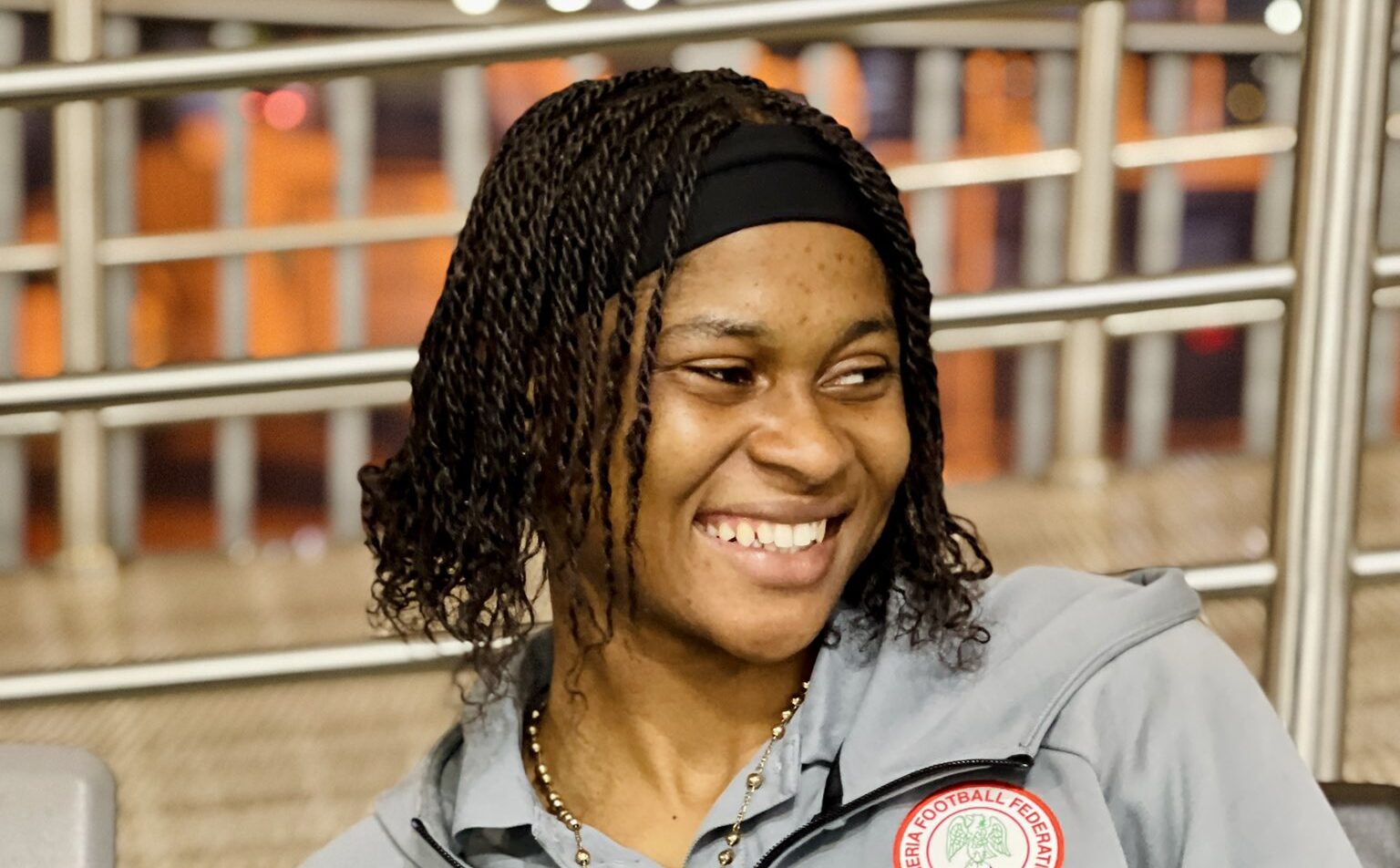
The performances of Ijirigho, Umejiaku and Adegbuyi could prove crucial to Nigeria’s chances, while Greise Kelly and Helena represent two of Brazil’s biggest threats
Nigeria’s Flamingos are preparing for one of their biggest tests at the 2026 FIFA U-17 Women’s World Cup as they take on Brazil in Wednesday’s semi-final, with a place in the final and a chance to make history at stake.
But Brazil present a different kind of challenge. Rilany’s team have scored 17 goals in five matches and remain unbeaten, boasting an attack capable of hurting opponents through several different players.
For Nigeria to reach their first-ever final at this level, the performances of certain individuals could prove decisive. From the goalkeeper expected to withstand Brazil’s attacking pressure to the forwards who can punish any defensive openings, these are five players who could shape the outcome of the contest.
Jane Ijirigho has been one of the important figures behind Nigeria’s progress in Morocco, providing the Flamingos with a dependable presence between the posts.
The goalkeeper has recorded 16 saves at the tournament, producing important interventions during Nigeria’s victories over Puerto Rico and Mexico. Her reach, reflexes and ability to react quickly have helped the team navigate difficult moments, particularly when opponents have threatened to get back into games.
However, Wednesday’s assignment will demand even more from the Nigerian shot-stopper as Brazil have scored 17 goals in five matches, demonstrating their ability to create opportunities and punish defensive mistakes. Ijirigho will need to be alert to shots from different angles, crosses into the penalty area and the movement of Brazil’s forwards.
Her communication with the defenders and ability to organise the back line will also be crucial. Nigeria’s defensive record is the product of collective discipline rather than individual brilliance alone, but Ijirigho could be the difference if Brazil manage to create clear-cut opportunities.
If the Flamingos are to keep the South Americans at bay, their goalkeeper must deliver another commanding performance.
Brazil’s attacking threat has several dimensions, but Greise Kelly stands out as one of the players Nigeria cannot afford to give too much freedom.
The forward has scored three goals and provided five assists in Morocco, giving her eight direct goal contributions. Her five assists are the highest tally recorded by any player in the competition, underlining her influence in Brazil’s attacking play.
FIFA’s tournament statistics have also highlighted her contribution to 47.06 per cent of Brazil’s goals, a remarkable indication of how central she has been to the team’s attacking output.
Greise was influential again in the quarter-final against China PR, playing a role in the move that produced Helena’s equaliser before Brazil completed their comeback victory.
Her dribbling, vision and ability to deliver the decisive pass make her a major threat. Nigeria’s midfielders and defenders must work together to limit the space available to her, prevent her from turning comfortably and disrupt her rhythm before she can release Brazil’s attackers.
Allowing Greise time to dictate play could make life extremely difficult for the Flamingos.
Oluebube Umejiaku has been one of the standout attacking players in Nigeria’s campaign; since usurping captain of the side Chidi Harmony from the first eleven, she has offered goals, movement and an ability to trouble opposition defenders.
The forward has scored three times in Morocco, finding the net against Poland, DPR Korea and Mexico. Her willingness to run behind defensive lines and take on opponents has provided Nigeria with an important attacking outlet.
Her contribution was also decisive in the quarter-final against Venezuela. With the game approaching its closing stages, Umejiaku won the penalty that Azeezat Oduntan converted in the 89th minute to send Nigeria into the semi-finals.
That moment reflected her ability to influence matches even when she is not getting on the scoresheet.
Against Brazil, Umejiaku’s movement could be particularly important. The South Americans have conceded nine goals in five matches, suggesting there may be opportunities for Nigeria to exploit if they can move the ball quickly and attack the spaces behind their defence.
She will need to be sharp with her runs, decisive in front of goal and prepared to make life uncomfortable for Brazil’s defenders.
While Greise Kelly provides much of Brazil’s creativity, Helena has emerged as the team’s most dangerous finisher in front of goal.
The forward scored both goals in Brazil’s 2-1 quarter-final victory over China PR, first finding the equaliser just 42 seconds into the second half before striking again in the 87th minute to complete the comeback.
Her performance demonstrated her ability to remain alert and deliver when the opportunity presents itself.
Helena’s movement and finishing will demand close attention from Nigeria’s defenders, particularly inside the penalty area. The Flamingos cannot afford to lose concentration for even a moment against a forward who has already shown she can change the outcome of a match.
Brazil’s attacking quality, however, extends beyond Helena and Greise. Marcela Bontorim, Nicolly Manuel and Pepe have also contributed to the team’s impressive scoring record.
That variety makes Brazil difficult to contain, but Helena’s current form places her firmly among the players Nigeria must keep quiet.
Nominated for CAF’s young player of the year in the female category less than a day to the game, Oluwakemi Adegbuyi has also played an important role in Nigeria’s run to the semi-finals, providing another attacking option for Busari.
The Robo Queens star forward has scored twice in the tournament, registering against Puerto Rico and defending champions DPR Korea. Her goal against the Koreans was particularly significant, giving Nigeria an early lead in a match that eventually ended in a historic 3-1 victory.
Adegbuyi’s movement and ability to find spaces in the final third offer the Flamingos another route towards goal. Her presence also means Brazil cannot concentrate all their defensive attention on Umejiaku.


Emulate Americans – ADC Urges Nigerians To Reject APC In 2027

North-central: Gunmen killed four, injure five in market attack

2027: APC campaign council restricts ministers, members to rallies in home states

Reserved seats will address years of women’s marginalisation – APC chieftain

Mixta Africa Expands Lakowe Lakes Golf & Country Estate, Introduces Polo As A Lifestyle Component

History in US as Americans elect first Muslim, native American senators, other firsts too

Atiku Camp Sends Message To IGP Over Sealing Of ADC Campaign Office

MTN Nigeria appoints ex-Etisalat boss, four other new directors

INVESTIGATION: How Anthony Kila falsified all his academic qualifications – from Bachelor’s to Doctorate

Customer Service Week: Inside How Jumia Is Using Technology To Go The Extra Mile For Shoppers

Google opens AI-content detector to enable verification

Kayefi headlines Tales & Tunes as ID Cabasa leads music direction in Sheffield

How Houthi military aggression in Red Sea threatens Africa

UK migrant workers wear chains, sing Asa’s ‘Jailer’ to protest proposed visa reforms

Ogaga Ifowodo wins $100,000 Nigeria Prize for Literature

How Lagos Families Are Allegedly Buying Contaminated Meat In Dirty Conditions At Mushin, Oshodi, Mile 12, Surulere Markets
-

 Business5 days ago
“User Funds Are Completely Safe” — Binance Investigates Suspected $6.3 Billion Hack, Suspends Deposits And Withdrawals
-
Special Reports6 days ago
Jumia Nigeria Unveils ‘No Manage Am’ Black Friday 2026 Campaign With Up To 60% Off
-
Special Reports7 days ago
FIFA U-17 Women’s World Cup: Nigeria’s Flamingos, Ghana, Morocco, Kenya lead Africa’s Quarter-Final charge
-
 Special Reports7 days ago
“Section 65(b) Poses A Threat To Democracy” — Court Reserves Judgment In Suit Challenging INEC’s Power To Review Election Results
-
Politics6 days ago
ADC Postpones Presidential Campaign Flagoff, Fixes New Date
-
Top Stories6 days ago
“We Will Meet On The Final List Of Candidates Today” — INEC To Decide Fate Of Pantami, Adebutu, Other Omitted Governorship Candidates
-
Special Reports7 days ago
Court dismisses Nollywood actor’s N10bn damages suit against Wike’s aide, INEC
-
News7 days ago
Nigerians fault INEC for using AI images in Voter Register