Special Reports
Reserved seats will address years of women’s marginalisation – APC chieftain

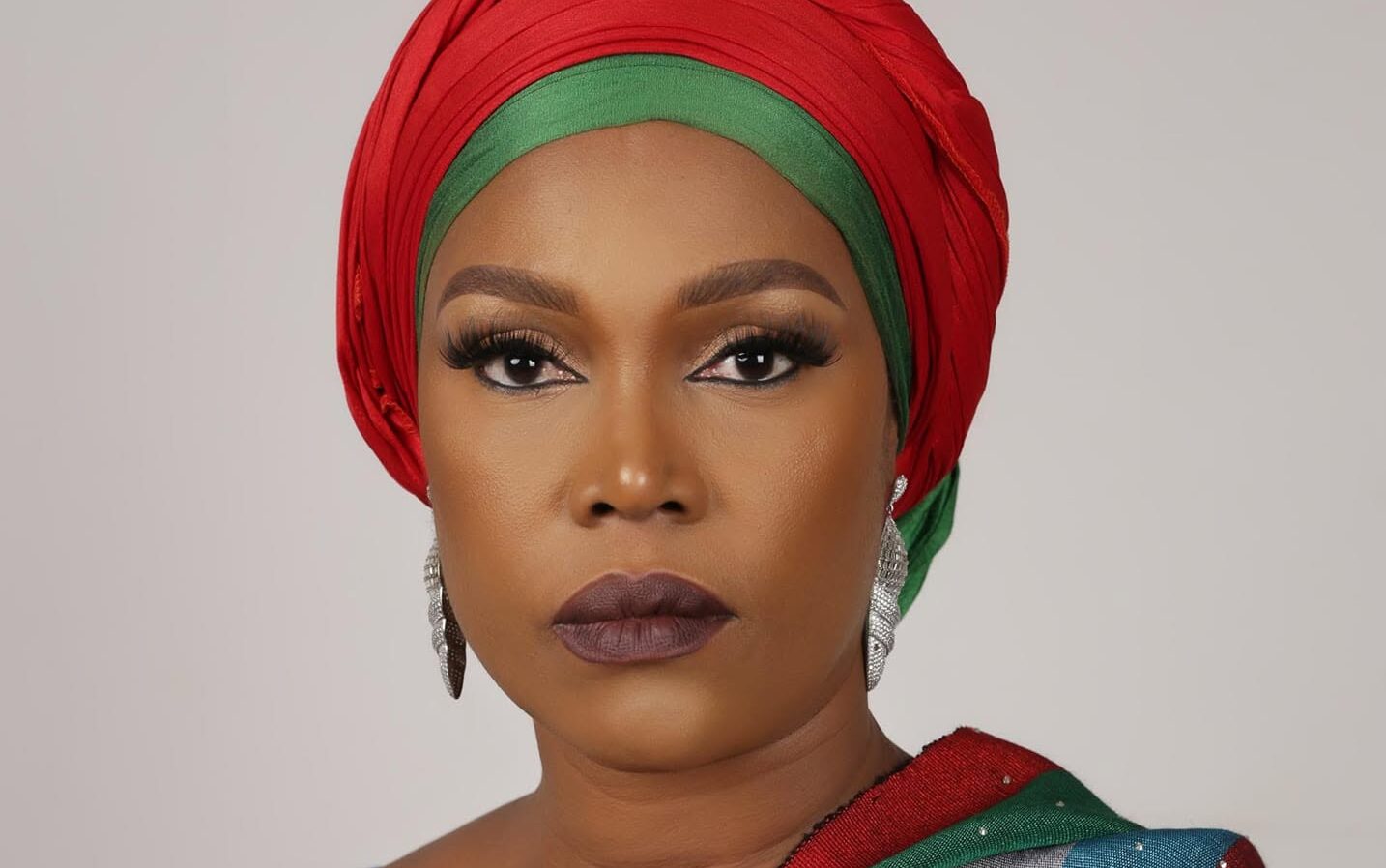
Ginika Tor said the current number of women in elective legislative positions was inadequate and fell short of the 35 per cent affirmative action target.
Ginika Tor, a federal commissioner at the National Salaries, Incomes and Wages Commission, has said the proposed reserved legislative seats for women would address years of marginalisation and improve women’s representation in Nigeria’s legislature.
Speaking on TVC’s Beyond the Headlines, Ms Tor said the current number of women in elective legislative positions was inadequate and fell short of the 35 per cent affirmative action target.
She said Nigeria currently has only four female senators and about 16 female members of the House of Representatives out of 469 lawmakers.
“That is not giving us inclusion. It is not ensuring the 35 per cent affirmative action,” she said.
Ms Tor said the proposed seats would provide more than 180 additional opportunities for women to enter the legislature and contribute to policymaking.
She argued that women had consistently participated in elections as voters and deserved greater representation in the institutions where decisions were made.
“Women vote in large numbers and come out at all times to support the system. With over 180 women, women can come in and make an impact, bring input and contribute their quota,” she said.
Responding to concerns that the reserved seats could become rewards for political loyalists or instruments of political godfathers, Ms Tor said the proposal would restrict nominations for the designated constituencies to women.
She explained that women would contest the seats through party primaries, while remaining eligible to contest existing open constituencies.
“What this bill is saying is that only women are exclusively allowed to contest. I am going to contest; someone is going to contest, as long as they are women. Men are not allowed to contest within that range of 74 seats,” she said.
She added that women would still be free to seek party tickets for regular constituencies and compete against male candidates.
Ms Tor said all political parties would have to comply with the constitutional provisions if the bill became law.
She also dismissed concerns that the proposal would create a separate class of legislators or unnecessarily increase the cost of governance by adding more lawmakers.
She urged critics to consider the purpose of the proposal, which she said was to address women’s exclusion from political representation.
Ms Tor cited Article 4 of the Convention on the Elimination of All Forms of Discrimination Against Women (CEDAW), which recognises temporary special measures to accelerate equality, as well as Sustainable Development Goal 5 on gender equality and the African Union‘s Agenda 2063.
She said the proposal also contained a 16-year sunset clause, covering four electoral cycles, after which the arrangement would be reviewed.
According to her, women face structural barriers in Nigerian politics, particularly where political contests involve violence and intimidation.
“We all have potential within us, but if we’re not given opportunity, it will remain in the bedroom. Women may not be able to do what men do to get into the circle. We can’t do thuggery; we are mothers,” she said.
She added that some women could withdraw from political contests when violence became a factor because they were unwilling to expose other people’s children to danger.
Ms Tor said the proposed amendment would help women gain access to political spaces where they could otherwise struggle to compete.
She acknowledged that President Bola Tinubu’s administration had made some progress on women’s inclusion but said more needed to be done.
She urged women to support the proposal and called for its passage by the National Assembly and ratification by at least 24 state Houses of Assembly before presidential assent.
“If this is affirmed and assented to by the President and approved by at least 24 Houses of Assembly, that is what we should be asking for now,” she said.
On concerns about the rising cost of living, insecurity and the state of the economy, Ms Tor who is also the principal liaison officer in the office of the Deputy National Chairman (South) of the All Progressives Congress (APC), said Nigerians should recognise that reversing years of systemic problems would take time.
She cited the introduction of student loans and empowerment initiatives by First Lady Oluremi Tinubu as examples of interventions by the federal government.
Ms Tor said the First Lady had distributed more than 8,000 empowerment items in Enugu State, including sewing machines, popcorn machines and grinding machines.
She urged beneficiaries to use the equipment for income-generating activities rather than sell them.
“If someone gives you a popcorn machine, you don’t need anything to start. Plug it, buy corn, pop it, make your money. If you are given empowerment, use it accordingly; don’t sell it,” she said.
She said she had also started a small business selling Quaker Oats as a married woman before advancing to her current position.


Emulate Americans – ADC Urges Nigerians To Reject APC In 2027

North-central: Gunmen killed four, injure five in market attack

2027: APC campaign council restricts ministers, members to rallies in home states

Reserved seats will address years of women’s marginalisation – APC chieftain

Mixta Africa Expands Lakowe Lakes Golf & Country Estate, Introduces Polo As A Lifestyle Component

History in US as Americans elect first Muslim, native American senators, other firsts too

Atiku Camp Sends Message To IGP Over Sealing Of ADC Campaign Office

MTN Nigeria appoints ex-Etisalat boss, four other new directors

INVESTIGATION: How Anthony Kila falsified all his academic qualifications – from Bachelor’s to Doctorate

Customer Service Week: Inside How Jumia Is Using Technology To Go The Extra Mile For Shoppers

Google opens AI-content detector to enable verification

Kayefi headlines Tales & Tunes as ID Cabasa leads music direction in Sheffield

How Houthi military aggression in Red Sea threatens Africa

Ogaga Ifowodo wins $100,000 Nigeria Prize for Literature

How Lagos Families Are Allegedly Buying Contaminated Meat In Dirty Conditions At Mushin, Oshodi, Mile 12, Surulere Markets

UK migrant workers wear chains, sing Asa’s ‘Jailer’ to protest proposed visa reforms
-

 Business5 days ago
“User Funds Are Completely Safe” — Binance Investigates Suspected $6.3 Billion Hack, Suspends Deposits And Withdrawals
-
Special Reports6 days ago
Jumia Nigeria Unveils ‘No Manage Am’ Black Friday 2026 Campaign With Up To 60% Off
-
Special Reports7 days ago
FIFA U-17 Women’s World Cup: Nigeria’s Flamingos, Ghana, Morocco, Kenya lead Africa’s Quarter-Final charge
-
 Special Reports7 days ago
“Section 65(b) Poses A Threat To Democracy” — Court Reserves Judgment In Suit Challenging INEC’s Power To Review Election Results
-
Politics6 days ago
ADC Postpones Presidential Campaign Flagoff, Fixes New Date
-
Top Stories6 days ago
“We Will Meet On The Final List Of Candidates Today” — INEC To Decide Fate Of Pantami, Adebutu, Other Omitted Governorship Candidates
-
Special Reports7 days ago
Court dismisses Nollywood actor’s N10bn damages suit against Wike’s aide, INEC
-
News7 days ago
Nigerians fault INEC for using AI images in Voter Register