Special Reports
CBD COP17: Nigeria seeks West African alliance to protect high seas

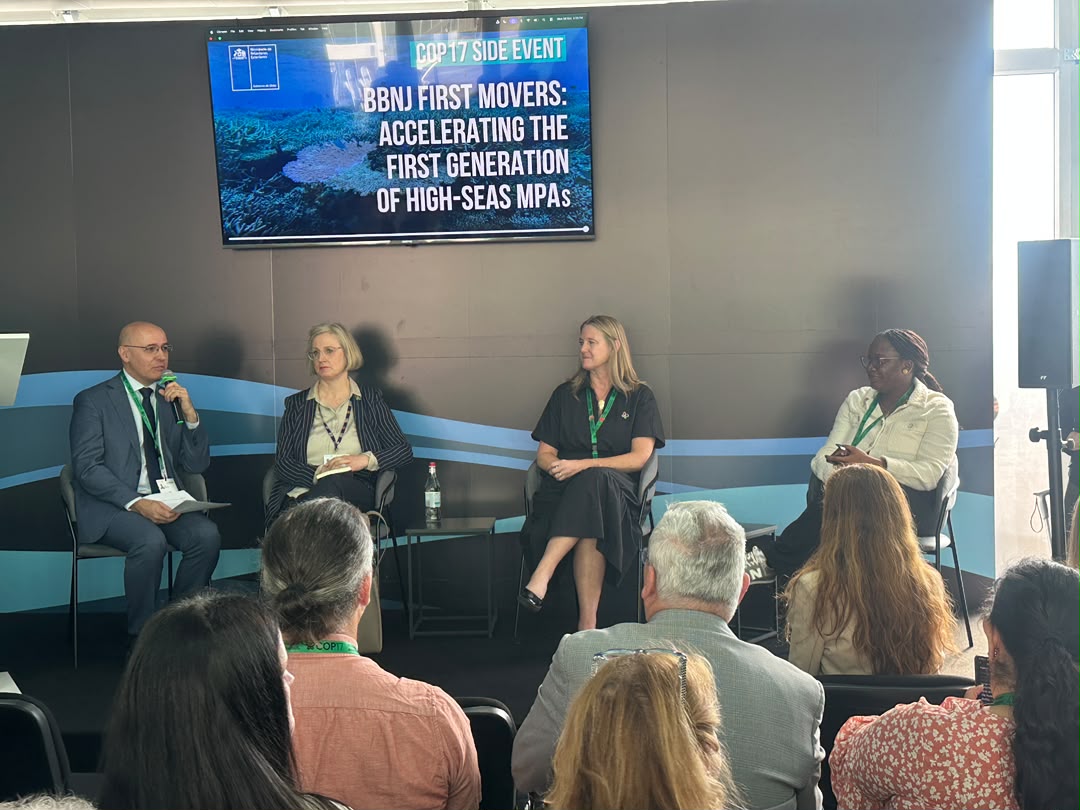
Nigeria has identified five key strategies to establish effective high-seas marine protected areas (MPAs), including regional coordination, scientific cooperation, livelihood protection, enforcement, and financing, as West African countries work toward the global 30×30 biodiversity target.
The Nigerian government has identified regional coordination, scientific cooperation, effective enforcement, and sustainable financing as key strategies to establish effective high-seas marine protected areas (MPAs) across West Africa and beyond.
The BBNJ First Movers is a government collaboration led by Chile to fast-track the creation of the first generation of high seas Marine Protected Areas (MPAs) under the UN High Seas Treaty (BBNJ Agreement).
The BBNJ Agreement, formally known as the Agreement on the Conservation and Sustainable Use of Marine Biological Diversity of Areas Beyond National Jurisdiction, provides an international framework for protecting marine biodiversity in areas beyond national jurisdiction.
Chile led the initiative to lay immediate groundwork for protecting international waters as the treaty moves into implementation, with its first Conference of the Parties scheduled to be held in New York in January next year.
Responding to a question on how regional coordination could drive the creation of effective high-seas MPAs to protect West African waters and achieve the 30×30 target, Mrs Egbuwalo said ocean conservation required countries to work together because marine ecosystems and the livelihoods they support transcend national boundaries.
“For Nigeria, the message is simple: the ocean does not recognise national boundaries, and neither should our conservation ambitions,” she said.
She added that the health of shared marine ecosystems is critical to the livelihoods of millions across West Africa, making regional cooperation essential to effective marine protection and meeting the global biodiversity target.
The 30×30 target, adopted under the Kunming-Montreal Global Biodiversity Framework, seeks to conserve at least 30 per cent of the world’s land and sea areas by 2030.
Meanwhile, over the past two decades, the high seas and maritime areas off West Africa have faced severe environmental, economic, and security challenges, largely due to weak regulation, foreign exploitation, and climate pressures.
While national governments try to control territorial waters and Exclusive Economic Zones (EEZs)/Free Trade Zones, the vast high seas beyond these limits have historically functioned as an under-regulated “Wild West,” leaving them vulnerable to overexploitation and illicit activity.
As a result, the Gulf of Guinea and West African shipping lanes have faced high risks of piracy, armed robbery, and attacks on oil tankers, bulk carriers, and fishing vessels, prompting West African seas to be deemed the “world’s most dangerous seas”.
In her interventions on Monday, Mrs Egbuwalo said Nigeria was working with six other West African countries through the West Africa BBNJ Coordination Committee to advance a proposal for a highly and fully protected high-seas MPA in the Guinea–Canary Currents Convergence Zone.
She said the initiative showed how regional cooperation can turn shared conservation priorities into concrete action by building political ownership, strengthening consensus, and sustaining commitment throughout the process.
Mrs Egbuwalo said achieving the 30×30 target requires more than designating percentages of the ocean for protection, stressing the need for ecologically representative, connected, and effectively managed MPA networks.
According to her, the Guinea–Canary Currents Convergence Zone supports important biodiversity, migratory species and fish populations that connect the high seas with national waters.
She said regional collaboration would let countries pool scientific expertise, share marine data, and identify areas where protection could deliver the greatest ecological benefits.
The Nigerian official also stressed the need to align marine conservation with fisheries management, food security and coastal livelihoods.
She said Nigeria’s assessment of the proposed regional MPA had considered marine species of nutritional, economic and cultural importance to coastal communities.
This, she said, underscored the importance of engaging artisanal fishers, women involved in fish processing and trade, and other ocean users in the conservation process.
“Conservation and livelihoods must reinforce each other, rather than be treated as competing priorities,” she said.
Mrs Egbuwalo identified effective monitoring, control, and enforcement as another critical requirement, warning that marine protected areas must be genuinely protected, not merely designated on paper.
She said a regional assessment of monitoring, control and surveillance capacities had identified existing mechanisms that could be strengthened.
She added that regional cooperation could facilitate joint monitoring, satellite surveillance, sharing vessel-tracking information and collaborating with regional fisheries bodies.
According to her, management and enforcement arrangements must be incorporated from the earliest stages of MPA development.
Additionally, she noted that establishing and managing high-seas MPAs required substantial scientific, technical and financial resources.
She argued that regional cooperation could help countries pool capacities, identify shared needs and attract international partnerships while maintaining regional ownership of conservation initiatives.
As countries prepare for the first Conference of the Parties to the BBNJ Agreement, she called for developing countries to have meaningful access to finance, technology and capacity-building support to participate effectively in its implementation.
With less than four years remaining to achieve the 2030 biodiversity target, Ms Egbuwalo urged countries to move from ambition to implementation.
She described the proposed Guinea–Canary Currents high-seas MPA as an opportunity to demonstrate how African regional leadership could deliver meaningful protection for the global ocean.


Man Sues Ex-Fiancée’s Father Over Unpaid N70,000 Dowry

₦4 Billion In Financial Breaches And 36 Separate Compliance Issues Rock Nigeria Agricultural Insurance Corporation

2027: Obi, Zion Ministry Founder, Backs Hamzat, Seeks Protection For Igbo Businesses in Lagos

Buy 1 Get 1 Free Chicken Bucket: KFC Nigeria brings back its biggest value deal Wednesday, 28th Oct
‘No party will get even 25% of Kaduna votes; everyone wants Tinubu’ – Uba Sani

EXCLUSIVE: Nigerian Police Summons Retired Nigerian Correctional Service Comptroller-General Jafaru Ahmed Over Three Birth Dates, The N35 Million Transcorp Hilton Settlement That Buried His Age Forgery Case And The Blackmail War That Followed

IPO: Investors in Last-Minute Rush for Dangote Refinery Shares As Offer Closes Tuesday

AY Comedian promises ticket refunds after payment dispute disrupts Cardiff concert

INVESTIGATION: How Anthony Kila falsified all his academic qualifications – from Bachelor’s to Doctorate

Google opens AI-content detector to enable verification

Customer Service Week: Inside How Jumia Is Using Technology To Go The Extra Mile For Shoppers

Kayefi headlines Tales & Tunes as ID Cabasa leads music direction in Sheffield

How Houthi military aggression in Red Sea threatens Africa

How Lagos Families Are Allegedly Buying Contaminated Meat In Dirty Conditions At Mushin, Oshodi, Mile 12, Surulere Markets

Ogaga Ifowodo wins $100,000 Nigeria Prize for Literature

UK migrant workers wear chains, sing Asa’s ‘Jailer’ to protest proposed visa reforms

 Investigations6 days ago
Emirates explores a range of new innovations for customers with accessible travel requirements at AccessAbilities Expo, Dubai 2026
- Special Reports7 days ago
Cross River PDP chairman resigns after five years, gives reasons
- Special Reports7 days ago
2027: Ex-Kogi gov predicts APC landslide, defends Tinubu’s record
- Special Reports7 days ago
NIMS 2026: Netufo Jasper Oluranti Bags Industrial Manpower Award for TVET Innovation
- Special Reports7 days ago
Nigerian emerges West Africa chair for IUCN Snake Specialist Group
- Special Reports7 days ago
Students threaten university with lawsuit over expulsion
- Special Reports7 days ago
inDrive Launches ‘Keke Marwa’ Service In Nigeria To Expand Affordable Mobility Options
- Politics7 days ago
APC Campaigner Speaks On Wife’s Appointment As INEC Operations Head