Special Reports
Ebola: Uganda orders 21-day quarantine for citizens returning from DR Congo

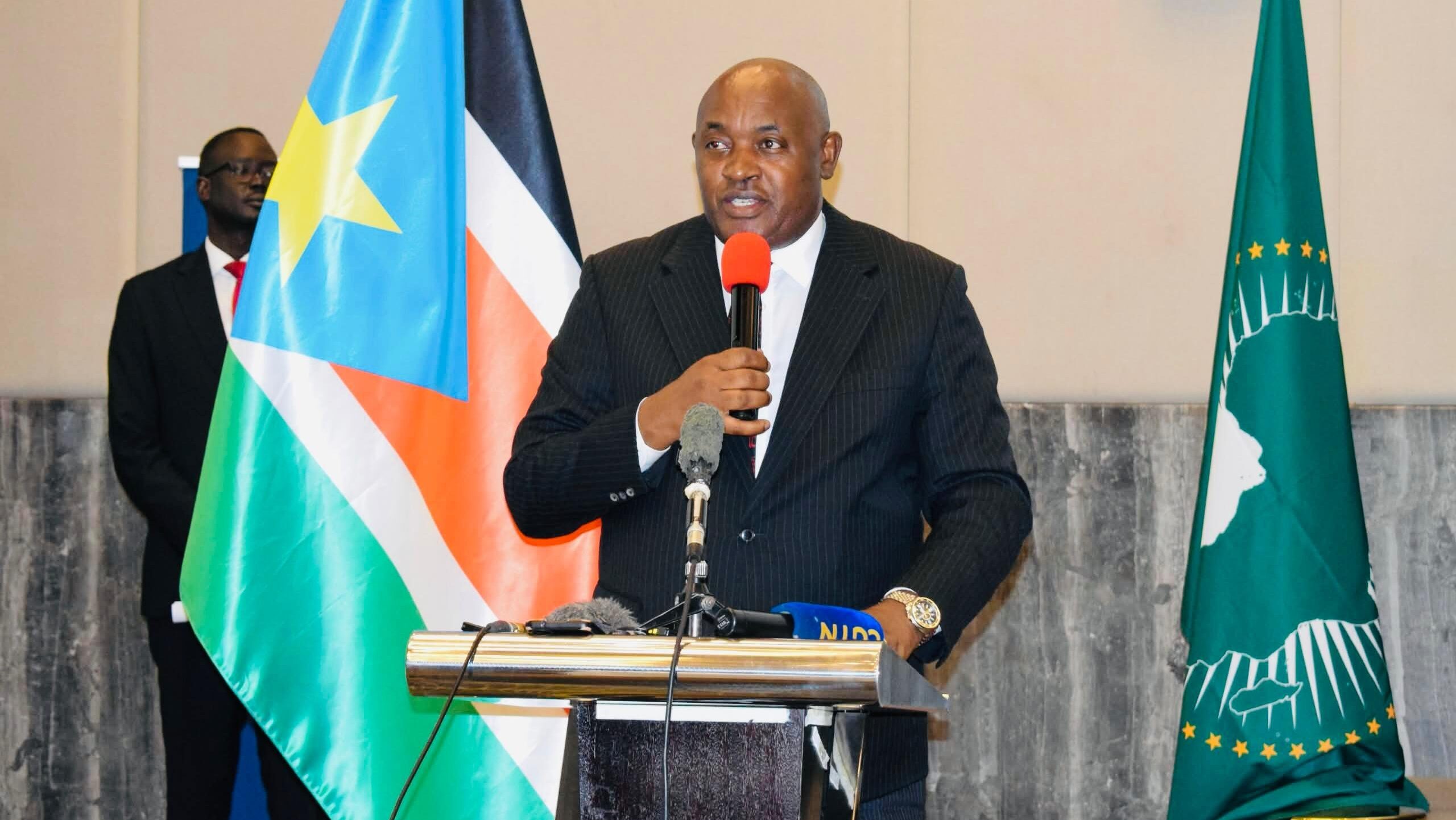
The Ministry of Health said returning Ugandans with a history of travel to the DRC would bear the cost of their quarantine.
Uganda has ordered citizens returning from the Democratic Republic of the Congo (DRC) to undergo a 21-day quarantine as authorities intensify measures to prevent further transmission of Ebola amid infections reported in Nigeria and Kenya.
The Ministry of Health said returning Ugandans with a history of travel to the DRC would bear the cost of their quarantine. Incoming travellers are also required to complete forms containing their contact details to facilitate follow-up by health authorities.
The measures come amid investigations into the source of Nigeria’s first confirmed Ebola case in more than a decade and a possible connection between the Nigerian and Kenyan infections.
Uganda declared its Bundibugyo Ebola outbreak over in July after recording 20 infections and two deaths, according to the country’s Ministry of Health. It maintains that it has no active Ebola infections.
However, the source of Nigeria’s imported case remains under investigation, with conflicting accounts emerging about the infected woman’s movements before she tested positive.
Swiss authorities have said a Ugandan-born woman married to a Swiss diplomat contracted Ebola during a visit to Uganda in September.
Nigeria confirmed her infection on 20 October after she returned to Abuja on 3 October.
The 42-year-old woman developed symptoms days after arriving in the country and initially sought treatment at a private hospital, believing she had malaria, before being admitted to another facility.
PREMIUM TIMES previously reported that the woman had spent about two and a half weeks in Uganda before returning to Nigeria through Addis Ababa, Ethiopia, where she had a two-hour stopover.
At the briefing, Mr Baryomunsi questioned the conclusion that she contracted the virus in Uganda.
He said relatives who had previously visited the DRC had met the woman in a Kampala suburb, raising questions about whether investigators had adequately examined that possible route of exposure.
“We should speak science, not politics,” he said.
Mr Baryomunsi said 60 people identified in Uganda following possible contact with the Kenyan patient had completed 21 days of monitoring and been discharged.
The current regional response follows a major Ebola outbreak in the DRC, where infections were first reported in May.
The WHO had recorded 9,704 cases and 4,687 deaths in the country as of 20 October.
The outbreak is caused by the Bundibugyo virus, a species of Ebola virus for which there is no approved vaccine or specific treatment.
Ebola spreads primarily through direct contact with the blood or other bodily fluids of an infected person, or with contaminated objects and surfaces.
The incubation period can last up to 21 days, making the identification and monitoring of contacts important to detecting infections before they lead to further transmission.
The WHO has called for stronger surveillance and cooperation between countries while advising against travel and trade restrictions on affected countries.


Jigawa students depart for China for advanced courses in agriculture

Super Lig: Osimhen lifts Galatasaray to top spot with two goals against Fenerbahce

“WHO Has Not Declared Nigeria Ebola-Free” — Agency Says 42-Day Countdown Must End Without Fresh Case

EXCLUSIVE: Provost Faruk Haruna’s College Left ₦5 Billion in Property Uninsured, Paid Contractor in Full for Unfinished Job With ₦5.3 Billion Uncovered in Financial Irregularities

Dr Chibueze Ofobuike Hosted By Umuchu Indigenes As He Arrives Lagos For Engagement With Aguata Stakeholders

PenCom pushes early pension savings among Gen Z, informal workers

CBD COP17: Experts explore new conservation models to advance Africa’s 30×30 goals

Dickson Sends Message To INEC, Security Agencies Ahead Of 2027

INVESTIGATION: How Anthony Kila falsified all his academic qualifications – from Bachelor’s to Doctorate

Customer Service Week: Inside How Jumia Is Using Technology To Go The Extra Mile For Shoppers

Google opens AI-content detector to enable verification

Kayefi headlines Tales & Tunes as ID Cabasa leads music direction in Sheffield

How Houthi military aggression in Red Sea threatens Africa

How Lagos Families Are Allegedly Buying Contaminated Meat In Dirty Conditions At Mushin, Oshodi, Mile 12, Surulere Markets

Ogaga Ifowodo wins $100,000 Nigeria Prize for Literature

UK migrant workers wear chains, sing Asa’s ‘Jailer’ to protest proposed visa reforms

 Investigations7 days ago
Emirates explores a range of new innovations for customers with accessible travel requirements at AccessAbilities Expo, Dubai 2026
- Special Reports7 days ago
NIMASA DG Dayo Mobereola Squanders N6.77 Billion On Cleaning, Hospital Bills And Imprest Including N1 Billion To Maintain Its London Office In Just One Year
- News7 days ago
Lagos Alone Cannot Afford Fourth Mainland Bridge — Hamzat

 Special Reports7 days ago
Abandoned newborn rescued at Plateau mining site
- Top Stories5 days ago
“The Task Force Is On Top Of It, NCDC Is On Top Of It” — FG Assures Nigerians Of Capacity To Contain Ebola
- Investigations7 days ago
MILO and Ahmed Musa Support 2500+ Young Footballers Through Kano Sports Clinic
- Special Reports7 days ago
From Humble Beginnings To The Helm Of Nigeria’s Economy: The Remarkable Trajectory Of Prof. Taiwo Oyedele
- News7 days ago
Man Arrested Over Trafficking Of Two Girls In Zamfara