News
FG Moves To Tackle Manufacturers’ Energy Crisis


The Federal Government is planning dedicated electricity transmission connections to major industrial centres as part of efforts to improve power supply to manufacturers and reduce production expenses.
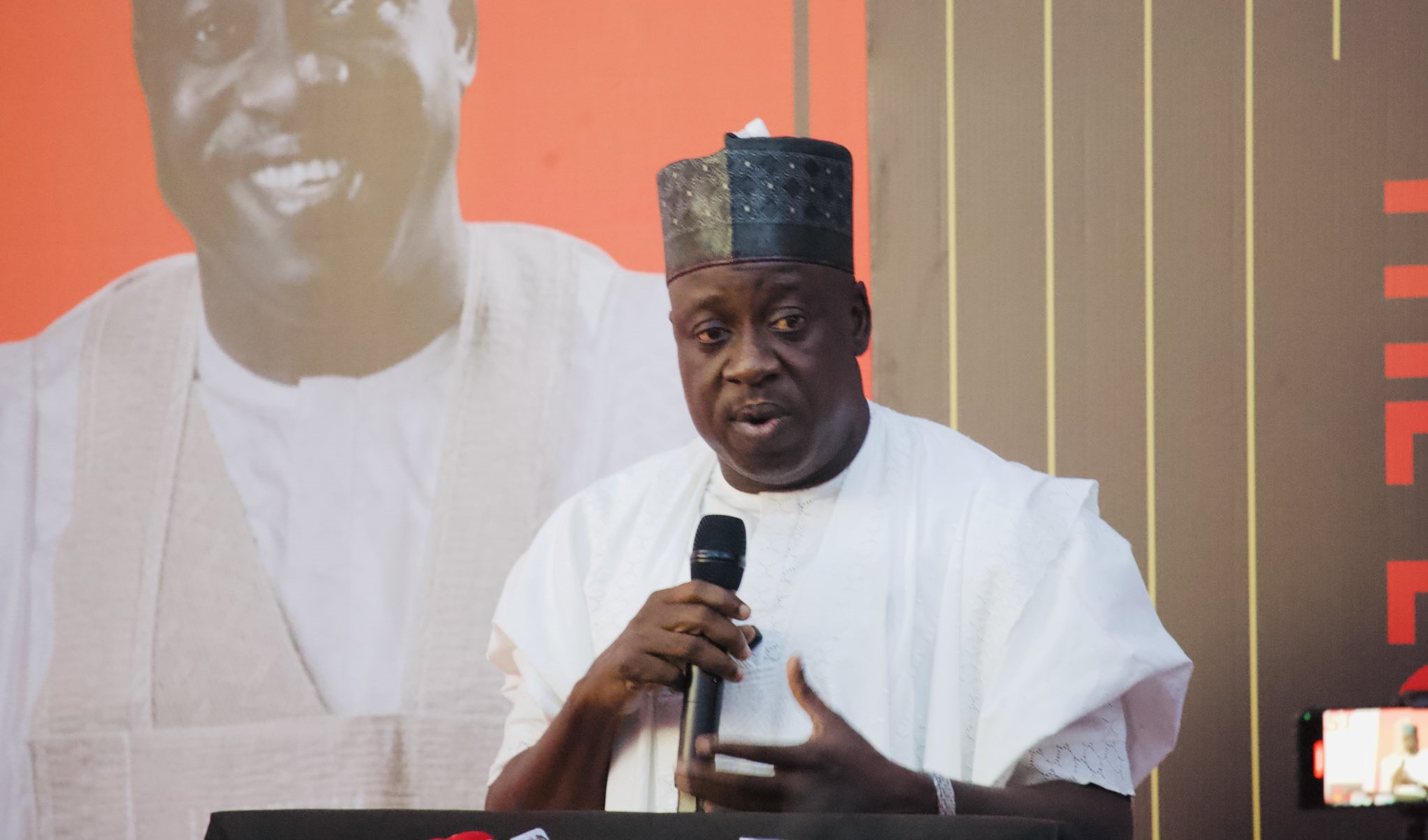
The Minister of Power, Joseph Olasunkanmi Tegbe, disclosed this at the Manufacturers Energy Security and Energy Efficiency Summit in Lagos, where he outlined measures to address persistent electricity challenges facing the country’s industrial sector.
He said the government’s strategy rests on four major priorities: improving the financial stability of the power sector, maximising existing generation and transmission facilities, establishing energy zones and expanding critical electricity infrastructure.
As part of the plan, Tegbe revealed that the government was considering dedicated transmission links to industrial clusters, including a proposed connection between Alaoji and the Agbara industrial area.
He explained that strengthening the link between available electricity generation and manufacturing centres would provide businesses with more dependable power and help lower the cost of production.
The minister’s announcement coincided with the launch of the Manufacturers Association of Nigeria’s (MAN) Industrial Energy Cost Reduction and Clean Energy Adoption Programme (IECRECAP), which seeks to provide manufacturers with more affordable and sustainable energy alternatives.
The initiative was unveiled on November 3 and is being implemented through the Manufacturers Power Development Company Limited (MPDCL), in partnership with the Nigerian Energy Support Programme, implemented by GIZ, the Federal Ministry of Power and other stakeholders.
Speaking at the event, MAN President, Dr Ifeanyi Okoye, identified expensive electricity, unstable grid supply and growing reliance on privately generated power as major challenges undermining manufacturing operations.
He called for financing arrangements that recognise the specific needs of industrial energy projects, including investments in rooftop solar systems, battery storage, gas powered captive plants and intelligent energy management technologies.
Okoye maintained that access to dependable and affordable electricity was essential to expanding domestic manufacturing and enabling Nigerian businesses to compete effectively in regional and international markets.
Also speaking, the Chairman of Keystone Bank Limited and MAN Regional Chairman for Anambra, Enugu and Ebonyi states, Lady Ada Chukwudozie, highlighted the growing financial burden manufacturers face in providing their own electricity.
In a presentation titled ‘Manufacturers’ Pain Points – Energy Cost: Imperative for Regional Manufacturing Leadership in Accessing Structured Finance,’ she disclosed that manufacturers spent an estimated N1.11tn on alternative electricity generation in 2024, with the amount increasing to approximately N1.35tn in 2025.
She said the rising expenditure was draining business resources that could otherwise be channelled into purchasing raw materials, acquiring machinery, paying workers and expanding production capacity.
Chukwudozie advocated investment-backed financing models that would allow manufacturers to adopt cleaner energy technologies without bearing the full cost of installation upfront.
Citing a 1.5 megawatt rooftop solar project in Nkpor, Anambra State, she said financing arrangements of this nature could lower operating expenses while allowing businesses to preserve funds for their core operations.
She projected that the project could generate energy savings of more than 50 per cent, supported by smart meters, remote monitoring systems and digital energy dashboards that would enable businesses to track electricity consumption and performance.
Under IECRECAP, participating manufacturers will have access to rooftop solar installations, battery storage where required and energy efficiency measures aimed at reducing dependence on expensive grid electricity and self generation.
The programme will also enable businesses to measure and report their carbon emissions while supporting them in aggregating and commercialising emissions reductions through carbon credits.
This is expected to help manufacturers respond to growing environmental and sustainability requirements in international markets, where imported products are increasingly subject to stricter standards.
The summit, themed ‘Innovative Energy for Cost Effective Smart Manufacturing with Structured Financing,’ brought together government officials, manufacturers, regulators, financial institutions, technology companies and development partners to examine financing options and sustainable energy solutions for the industrial sector.





“Illness Stalls Arraignment In 36-Count PFIPC Case” — Court Remands Adeyemi, Four Civil Servants To Take Pleas November 18
FG Moves To Tackle Manufacturers’ Energy Crisis

Boosting Government Revenue And Shifting The Tax-To -GDP Ratio: Oyedele’s Magic Wand

NiMet forecasts dust haze, thunderstorms across Nigeria

Police Arrest 26 Suspects, Recover 15 Firearms In Three States

2027: Gov Nwifuru Assures Tinubu of 80% Votes in Ebonyi

Bypassing the Law: How Federal Science College Sokoto Hurriedly Awarded N69.7m Contracts Without Bidding

Fed Govt Launches N248bn Supplementary Road Infrastructure For Ebonyi

How Lagos Families Are Allegedly Buying Contaminated Meat In Dirty Conditions At Mushin, Oshodi, Mile 12, Surulere Markets

UK migrant workers wear chains, sing Asa’s ‘Jailer’ to protest proposed visa reforms

At TEDxEnugu, Gov Soludo Harps On Ndigbo Transiting From Individual Success To Building Collective Institutions

Pantami reacts after INEC omits his name from Gombe governorship candidates list
INEC excludes Ogun PDP’s Adebutu, running mate from final governorship candidates list

Suspect arrested over farmer’s killing, kidnapping in Niger

Delta records highest oil spill as nine incidents release nearly 130,000 litres of crude

Alleged N60m Oshodi Recruitment And Visa Scam: 2 Company Staff Arraigned In Lagos

 Special Reports6 days ago
ADC warns Sokoto govt, vows to hold governor responsible for intimidation, violence against opposition

 Special Reports7 days ago
Health Review: Ebola case, child malnutrition, medicine security, other developments that shaped October
- Special Reports7 days ago
2027: PDP expels aspirants challenging Pantami’s candidacy as Gombe governorship candidate
- Investigations6 days ago
WEMA BANK SETS NOVEMBER 6 FOR HACKAHOLICS 7.0 GRAND FINALE, UNVEILS “FESTIVAL OF THE FUTURE” AS THEME
- Special Reports5 days ago
United Nigeria Airlines Boss Receives Trailblazer In Aviation Award At Daily Times Centenary Celebration
- Top Stories4 days ago
“Courts Must Guard Their Independence, Impartiality And Integrity” — NDC Warns After Atiku’s Candidacy Is Nullified
- News7 days ago
NAFDAC’s regulatory reforms offer model for Africa – Adeyeye
- Special Reports7 days ago
Failure to prosecute electoral offenders, threat to free, fair elections, says NHRC