Special Reports
Mixta Africa Calls for Housing Delivery System to Unlock Scale, Says PPPs Must Go Beyond Land Deals

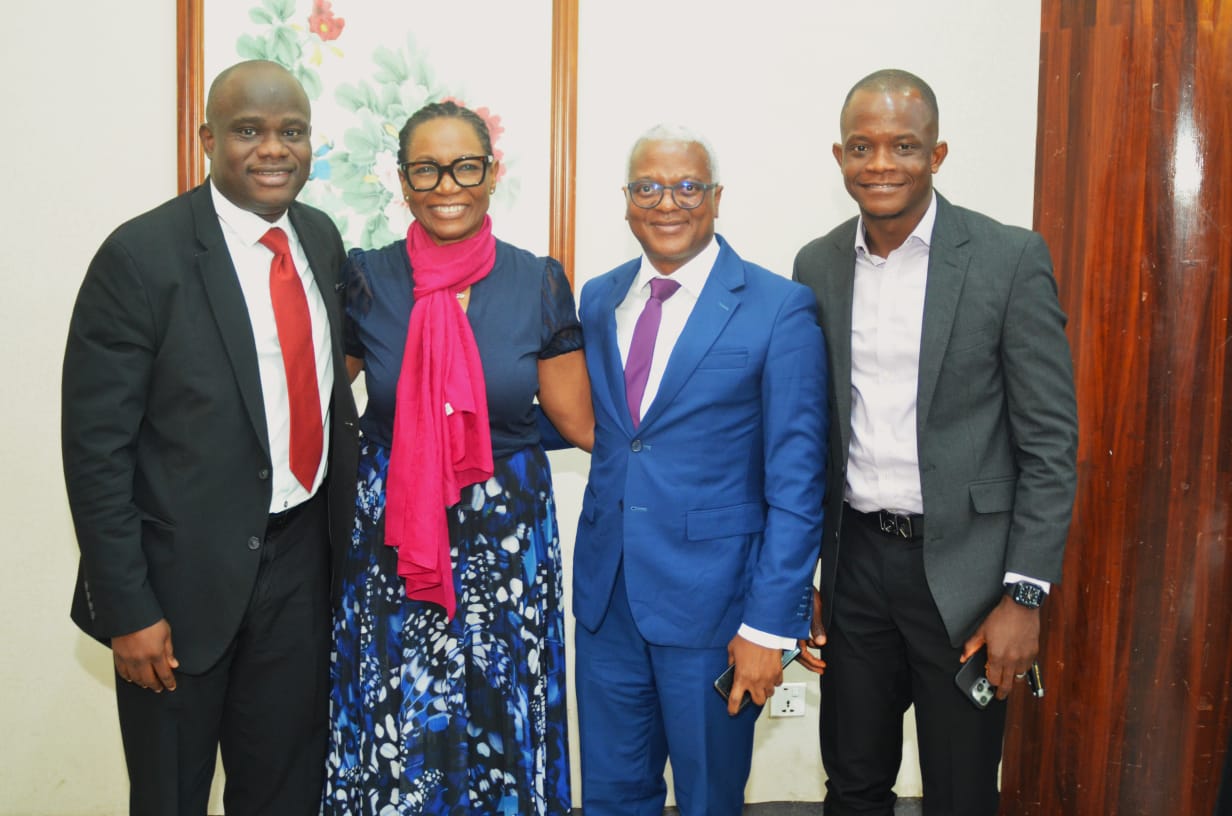
Akinsulire spoke on the CEO Panel themed “Public–Private Partnerships for Large-Scale Housing Delivery: Unlocking Housing at Scale Through Collaboration,” at the just-concluded Africa PropTech Priority Summit (APPSUMMIT 2026), organised by PROPTECH ROUNDUP, in Lagos.
He was joined on the panel by Chief Executive Officer, UPDC, Odunayo Ojo, and Co-Founder & Managing Partner, Alitheia Capital, Olajumoke Akinwunmi.
According to him, Nigeria has treated housing as isolated interventions focused on mortgages, without addressing the underlying delivery ecosystem.
“What has worked elsewhere is a system that addresses both the supply and demand sides. In Morocco, we delivered 4,393 units on a single site because the government created that system,” he said.
He explained that in 2010, under Morocco’s housing programme, participating developers who committed to build at 250,000 Dirhams and meet a target of 500 units in five years, were offered tax credits across the value chain including cement and company income tax.
“On the demand side, buyers of qualifying homes were exempted from VAT and backed by a government-backed guarantee scheme that covered up 70% of the lender’s credit risk that kicks in after default. That made banks willing to lend and buyers able to buy. That is how you create a market – engineered on both the supply and demand sides.”
On PPPs in Nigeria, Akinsulire said governments must be clear if a PPP is a monetisation or intervention strategy, noting: “If it is primarily a monetisation strategy, the private developer will ordinarily be expected to bear more of the commercial risk. But if it is an intervention intended to deliver affordable housing for civil servants, for example, government must be prepared to absorb some of the cost — through infrastructure, land or other support — and agree a realistic price point”
He stressed further that for PPPs to deliver at scale, three things are critical: trust, buyer affordability, and developer capability.
“The Federal Ministry of Housing’s Housing Delivery Framework in January and its subsequent policy framework later in the year address trust and affordability, but we are not addressing how to enhance developer delivery capacity. If people have money and there are no houses to buy, we still have the same problem,” he said.
Akinsulire welcomed innovators to come into the real estate value chain, affirming that: “Technology must either reduce friction or reduce risk. From land titling, to approvals, construction monitoring, sales and off-plan finance. Be the part of the pipeline that if you are removed, the pipeline breaks. That is what fintech did. Eight out of the top 20 financial institutions in Nigeria today are fintechs. That is how PropTech should think.”
In her remarks, Olajumoke Akinwunmi of Alitheia Capital highlighted lack of structured engagement, framework and trust as the biggest missing links in PPPs.
“We need collaboration among ourselves and ready projects, not just land banks. Often, after the handshake, you get to site and still deal with Omo Onile, compensation, and unbuildable portions. That is not a ready project. We also need transparent procurement and to build a local industrial base. We are dealing with a housing challenge affecting roughly 30 million units — comprising a deficit of about 15 million homes and more than 15 million existing homes that are structurally inadequate or substandard.” she said.
UPDC CEO, Odunayo Ojo described housing as fundamentally an economics problem: rising government rates, low-income levels and the need for incentives.
He remarked: “Rates and charges have tripled this year, yet we say we want cheaper housing. We need tax breaks and pioneer status incentives for housing like other industries. In the interim, we must encourage build-to-rent because many Nigerians cannot afford to buy, even on zero-interest mortgages, due to low incomes. And we must collaborate to cut overheads.”
Established in 2005, Mixta Africa is a leading pan-African real estate developer with more than 20 years of experience and more than 30,000 homes delivered across Nigeria, Senegal, Tunisia, Morocco and Côte d’Ivoire.
In Nigeria, Mixta’s portfolio includes flagship developments such as Lakowe Lakes Golf & Country Estate and Beechwood Estate along the Lekki-Epe Expressway, Fara Park in Sangotedo, Lagos, Expressview Estate in Lugbe, Abuja, and the Garden City Golf Annexe in Port Harcourt.
Mixta Africa is committed to closing Africa’s housing deficit through the delivery of large, sustainable, well-serviced communities.










Africa Magic adds five dramas, thrillers to October lineup

32-Year-Old Arrested Over Theft Of Five Phones From Anambra Hotels

US Credit Card Fraudster Governor Dapo Abiodun Paid N17.9 Billion To Service Debts In Three Months While His N1.04 Trillion Capital Budget Delivered 2.28 Percent

Ikeja Local Government Urges Eligible Students To Apply For Bursary Scheme Ahead Of November 14 Deadline
Ato Quayson and the challenge to Ghana: Rethinking the past and Future, By Toyin Falola

NEDI Moves To End Paper-Based School Data Collection By 2027

Actor Patrick Diabuah questions ‘God told me’ claims as he reflects on ‘The Ten’ role

Bauchi govt clears N5.2bn gratuity backlog

INVESTIGATION: How Anthony Kila falsified all his academic qualifications – from Bachelor’s to Doctorate

Google opens AI-content detector to enable verification

Customer Service Week: Inside How Jumia Is Using Technology To Go The Extra Mile For Shoppers

Kayefi headlines Tales & Tunes as ID Cabasa leads music direction in Sheffield

How Houthi military aggression in Red Sea threatens Africa

How Lagos Families Are Allegedly Buying Contaminated Meat In Dirty Conditions At Mushin, Oshodi, Mile 12, Surulere Markets

Ogaga Ifowodo wins $100,000 Nigeria Prize for Literature

UK migrant workers wear chains, sing Asa’s ‘Jailer’ to protest proposed visa reforms

 Investigations6 days ago
Emirates explores a range of new innovations for customers with accessible travel requirements at AccessAbilities Expo, Dubai 2026
- Special Reports6 days ago
Orie Uga Market Traders To Hold Mega Rally For APGA, Set To Endorse Dr. Chibueze Ofobuike For House Of Reps
- Special Reports6 days ago
Igbo Speaking Community Lagos Suspends Crowning Of Ezendigbo As New Executives Vow To Restore Past Glory
- News6 days ago
Lagos Alone Cannot Afford Fourth Mainland Bridge — Hamzat
- Politics7 days ago
Moses Can’t Return To Egypt – Tinubu Rules Out Fuel Subsidy
- Special Reports6 days ago
NIMASA DG Dayo Mobereola Squanders N6.77 Billion On Cleaning, Hospital Bills And Imprest Including N1 Billion To Maintain Its London Office In Just One Year
- Special Reports6 days ago
FRSC orders probe into Otedola bridge tanker inferno

 Special Reports6 days ago
Abandoned newborn rescued at Plateau mining site