The National Insurance Commission (NAICOM) has called on state governments across Nigeria to integrate insurance coverage into their loan programmes, poverty alleviation initiatives, and other economic empowerment schemes to protect beneficiaries and safeguard public resources.
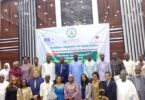
The Commissioner for Insurance and Chief Executive Officer of NAICOM, Olusegun Ayo Omosehin, made the call during the 2026 Chief Executive Officers’ Retreat of the Nigerian Council of Registered Insurance Brokers (NCRIB) and the unveiling of the NCRIB Insurance Awareness and Penetration Initiative in Umuahia, Abia State.
Omosehin said many government-backed intervention programmes provide financial support, equipment, agricultural inputs, and other forms of assistance to small businesses, artisans, traders, farmers, and vulnerable groups. However, unforeseen events such as fire outbreaks, accidents, theft, flooding, illness, or the death of a business owner often derail these ventures, leaving beneficiaries unable to recover and governments unable to realise the intended impact of such programmes.
According to him, incorporating insurance into these initiatives would provide a safety net that enables beneficiaries to recover from losses and continue their economic activities, while also protecting public funds invested in the programmes.
“Insurance is far more than a financial product; it is protection, confidence and peace of mind. It provides a structured mechanism through which individuals, families, businesses and governments can recover from unforeseen events and financial disruptions,” he said.
The NAICOM boss noted that states that embed insurance in their empowerment and social intervention programmes are more likely to achieve sustainable outcomes because beneficiaries are better equipped to withstand shocks and maintain their livelihoods.
He stressed that building resilient local economies requires stronger collaboration among governments, financial institutions and insurance operators, describing insurance as one of the most effective tools for managing risks and promoting economic stability.
Omosehin also urged state governments to strengthen enforcement of compulsory insurance policies provided for under existing laws. He identified third-party motor insurance, insurance for public buildings and infrastructure, markets, petrol stations, fuel tankers, hospitals and power facilities as critical areas requiring greater compliance.
According to him, effective enforcement of mandatory insurance would not only protect lives and property but also reduce the financial burden on governments when disasters occur.
The Commissioner further underscored the importance of expanding insurance awareness among Nigerians, noting that insurance remains poorly understood by many citizens despite its benefits.
He said the Insurance Awareness and Penetration Initiative launched in Abia State is aimed at bridging that knowledge gap by taking insurance education directly to communities, markets, transport unions, schools, professional associations and other grassroots groups.
Omosehin described Abia as a strategic location for the initiative because of its strong entrepreneurial culture and the commercial significance of Aba and Umuahia.
He said improving public understanding of insurance would encourage farmers, artisans, traders and small business owners to adopt risk-management practices that protect their investments and livelihoods.
“Our vision is to build a stronger, more inclusive and responsive insurance sector that is trusted by the public and aligned with national economic objectives,” he said.
He added that the success of the awareness campaign would ultimately be measured by the number of individuals and businesses that embrace insurance as a vital tool for managing risks and securing their financial future.